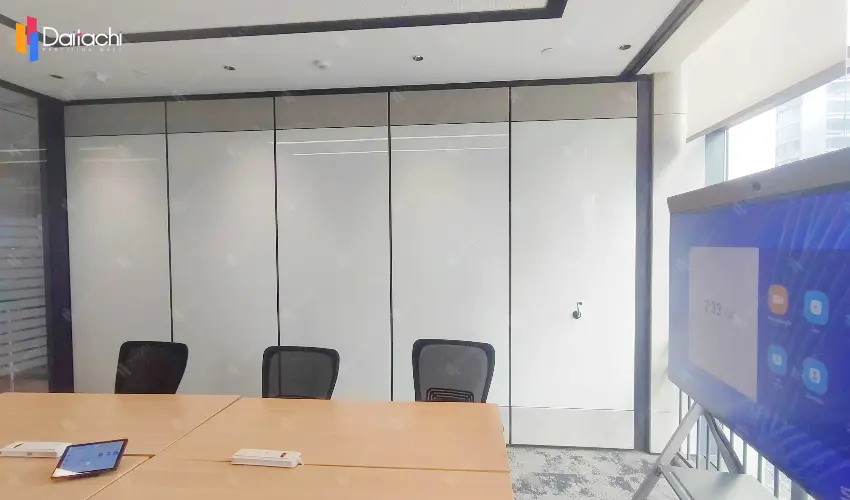
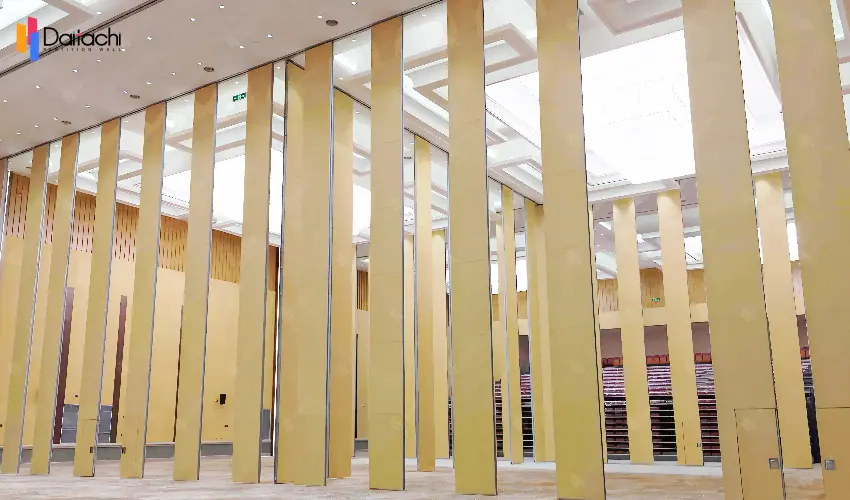
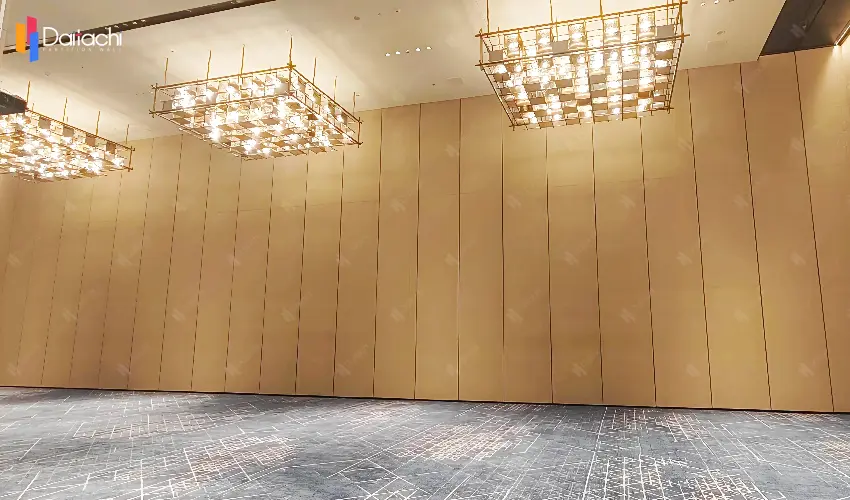
To learn about all aspects related to Movable Partition Wall, you can consult our comprehensive guide on Movable Partition Walls Hub.
It is true that moving partition walls are the most efficient solution to remodeling spaces. The main advantages of these walls are four important dimensions: versatility, affordability as well as space-efficiency and environmental performance. They are which far exceed the single-function design of wall constructions. In this article, we will examine their incomparable benefits based on particular situations and facts:
Traditional fixed walls are subject to demolition, construction, and renovation. This can take up to a month or more, creating significant building waste. As an example, a 70 square-meter office remodel with fixed walls could take about 45 days dust pollution can interfere with the regular functioning of the workstations around. Modular walls for partitioning are, however, can be installed in short time which ensures an efficient working operation.The modular, easy-to-install and ready-to-use characteristics of partition walls that move makes them the ideal option for busy business environments. As an example, by using the manually-movable wall panels the convention and exhibition center could transform an space into 10 distinct booths within two hours, boosting the efficiency of 70%, and thereby reducing the costs of space that is not being used.
Hidden costs associated with wall partitions that are fixed are frequently not considered:
Renovation Cost: Demolition is about 200-500 Yuan for each square meter. Reconstruction takes about 800-1500 yuan for each square meter.
Maintenance Cost: Issues like cracks or mold need regular maintenance, and an annual average around 50-100 Yuan per square meter.
Relocation Costs: Walls that are fixed are not able to be taken down during a move which results in a total use of the assets.
Partition walls that move can help in cost reduction through modular designs:
Installation Cost: No structural changes are needed; they could be put together directly, cutting cost by 40 percent;
Maintenance Cost: Parts that are damaged may be replaced separately and reduce repair costs.
The panels are not disassembled. Eco-friendly components make panels recyclable in a range of as high as 90 percent
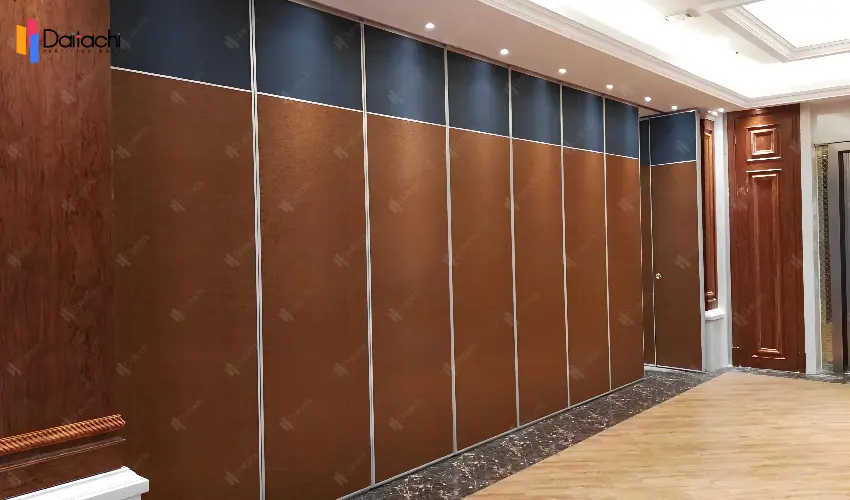
Fixed partition walls divide spaces in static zones and can be difficult to adjust to the changing demands of modern times. In the case of traditional offices, for instance, they have 30% of the floor to be reserved for "spare space" leading to a real usage of less than 70%. Walls that can be moved are on the other hand use folding and sliding capabilities to boost space utilization by more than 90%..
The "spatial magical" of partition walls with movable parts can be even more crucial:
Flexible Retraction: Each panel is 85-105mm wide and 105 mm thick. The total thickness is determined by the quantity of panels however, they are able to be placed in cabinetry on either side which eliminates the need for space.
Flexibility: Soundproofing integrated and thermal insulation as well as waterproofing and fireproofing components are designed to meet the requirements of a variety of situations, such as exhibitions, conferences and entertainment activities.
The walls that have been fixed pose significant negative environmental impacts:
Materials Waste: Demolition produces huge amounts of construction debris, including bricks and concrete and is very difficult to reuse.
Environmental Pollution from Construction: Construction work can create dust and sound, which can affect the indoor air quality.
Modifiable partitions, thanks to their modular designs, adhere to eco-friendly principles:
Material Optimization: Make use of lightweight eco-friendly, sustainable materials like high-density honeycomb panels as well as aluminum alloys to minimize the use of resources ;
Zero loss: Modules are joined by mortise and tenon joints, removing the requirement to use glue or welding. Every module, excluding rails, can be 100 100% disassembled.
Recycling: Modules that have been disposed of could be reused or recycled and eliminate the need for building garbage.
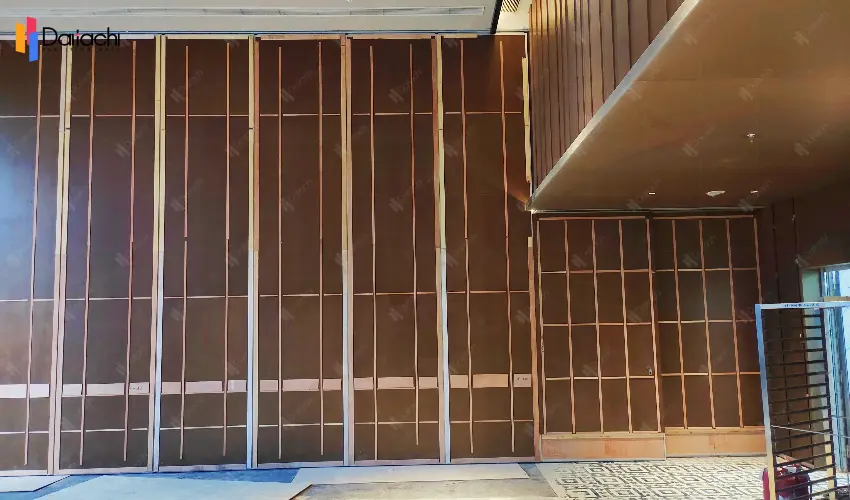
With the surging demand for agility in commercial spaces, movable partitions are evolving from a single product into a comprehensive space management system: (Click here for more information on what makes modular design the next step for moving partitions.)
Digital mmpowerment: A pre-installed AR simulations allow "what you see is what you will get" division management
Cross-border integration: Integration with smart homes, green energy systems
Sharing economy extension: Modular parts make it easier to small and medium-sized companies in their quest to modernize their space.
In an age where the importance of space is changing, moveable partitions are changing the way space is used by their flexibility, customizability as well as sustainable. They're not only the most economical solution, however they are also an effective business asset to deal with the uncertainty. If you're looking to adapt to new space developments for less cost and greater efficiency, then movable partition walls are definitely the most effective option.
Related Articles: Detailed Explanation of the Structure and Features of Modular Partitions
Core Strategies for Saving Labor Costs with Movable Soundproof Partitions (Part 1)