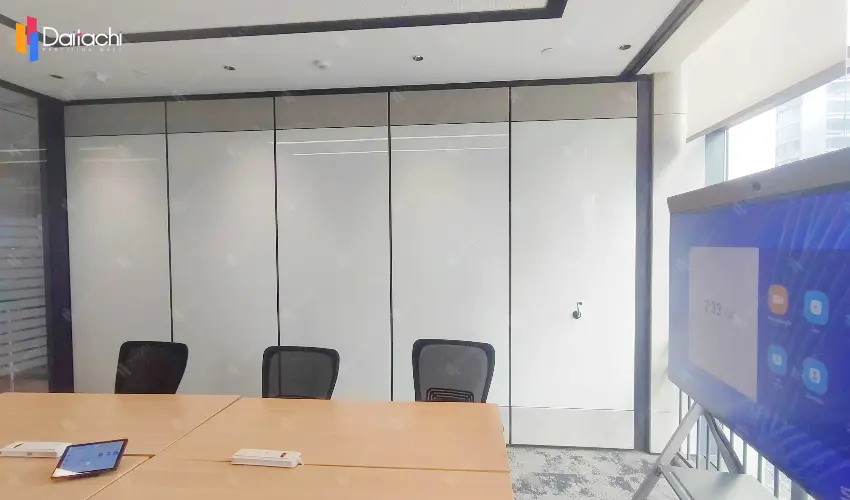
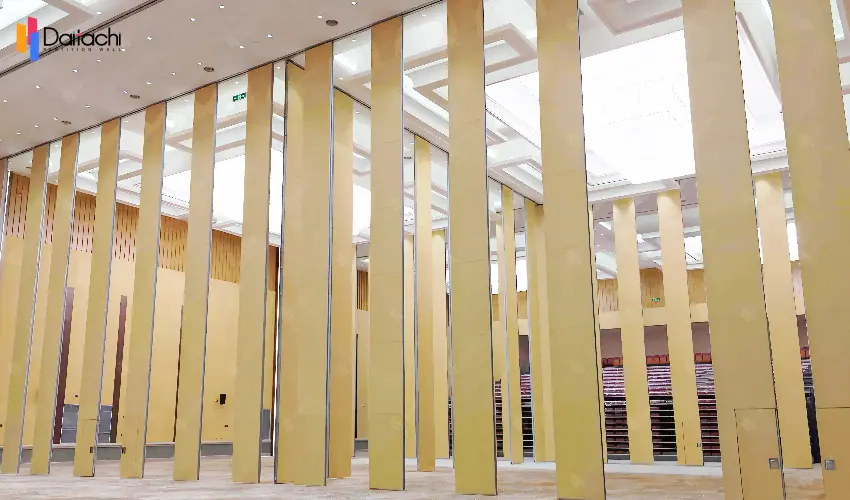
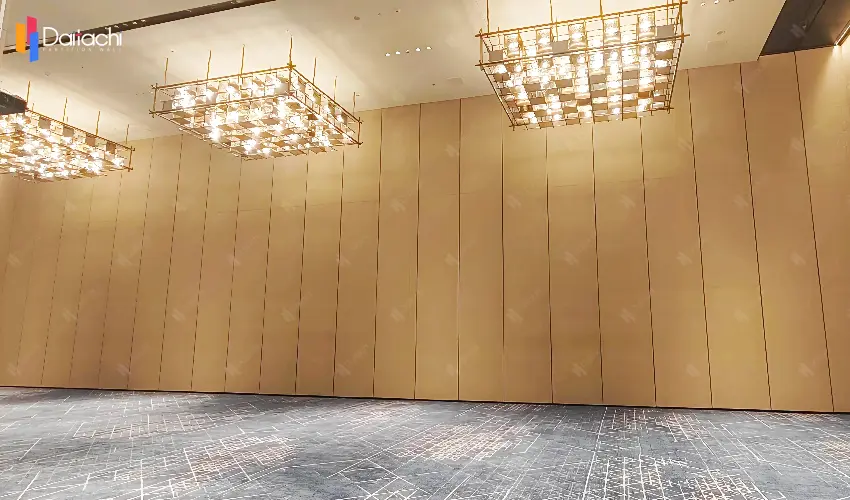
To learn about all aspects related to Movable Partition Wall, you can consult our comprehensive guide on Movable Partition Walls Hub.
For hotels, convention centres, banquet halls and diverse commercial venues, movable partition walls have re‑imagined modern space planning thanks to outstanding flexibility and adaptability. Amid this space‑transformation trend, modular design has become a key industry innovation. Going far beyond solving pain points of conventional partition products, modular movable partition walls deliver superior flexibility, customisation capability and sustainable performance for today’s space management requirements.
High customisation cost: Non‑standard dimensions require dedicated mould development, leading to extended lead‑times and higher production expenses.
Insufficient adaptive flexibility: Fixed structural layouts struggle to keep pace with changing spatial demands. Disassembly and modification will cause heavy component wear‑and‑tear.
Complicated maintenance workflow: Damage to individual parts often forces full‑system replacement, generating substantial material waste and extra costs.
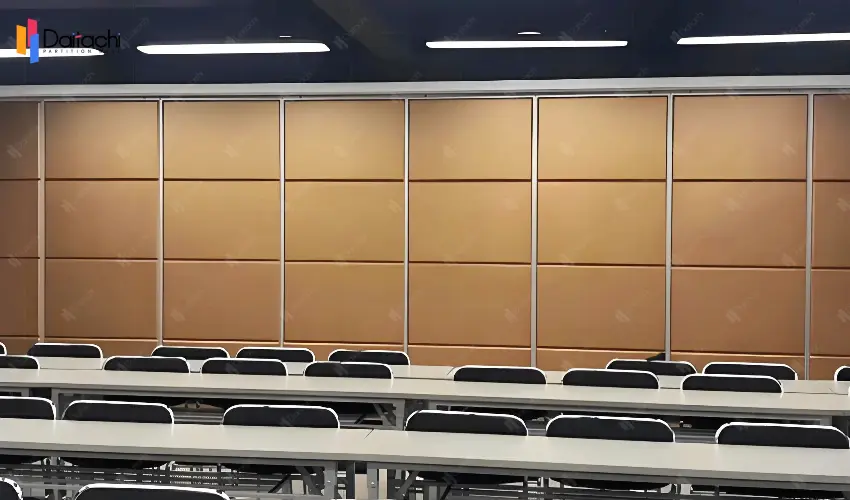
Standardised prefabricated modules support quick on‑site assembly without highly‑specialised labour input. This shortens project timelines and reduces human‑error risks. When business or spatial requirements change, operators only replace or upgrade individual modules instead of discarding the entire operable partition wall. This “growth‑oriented design” can extend overall product service life up to three times and cut long‑term capital expenditure for commercial operators.
Material optimisation: Lightweight eco‑conscious raw materials such as high‑density honeycomb panels and aluminium alloy frames reduce production energy consumption while securing structural stability.
Damage‑free assembly & disassembly: Magnetic and snap‑fit connections replace adhesive bonding. Modules can be taken apart without destroying wall components.
High recyclability: Out‑of‑service modules can be reused or upgraded, cutting construction waste and achieving around 90‑percent material recycling potential.
Digital empowerment: AR‑assisted preview delivers “what‑you‑see‑is‑what‑you‑get” simulation to support pre‑installation partition layout planning.
Cross‑system integration: Seamless connection with smart building controls and energy‑saving facilities to realise intelligent modern interior panels.
Sharing‑economy expansion: Interchangeable modular components lower total‑cost‑of‑ownership, reducing renovation barriers for small‑and‑medium‑size enterprises.
Related Articles: Advantages and Disadvantages of Modular Partitions
Modular and Sustainable Office Design: Building Flexible Workspaces for the Future