To learn about all aspects related to Vertical Folding Partition Wall , you can consult our comprehensive guide on Vertical Folding Partition Wall Hub.
When purchasing vertical folding walls, be wary of the following three hidden costs associated with low-priced products:
Inferior Materials: Some suppliers use inferior aluminum alloys or recycled plastics to manufacture the frame in order to reduce costs, resulting in walls that are prone to deformation, track jamming, and even breakage. For example, the frame thickness or rigidity of low-priced folding walls is far below industry standards, resulting in poor load-bearing capacity and a tendency to sag or jam after long-term use.
Simplified Manufacturing Process: If the design of the concealed mechanical structure (such as the motor and transmission device) is too simplified, it may lead to problems such as high noise and short lifespan. For example, the motor of a low-priced product may not use silent technology, resulting in high operating noise and affecting the user experience.
High Maintenance Costs: Inferior products have a higher failure rate, and the accumulated cost of repairs or replacement parts may exceed the price of the product itself.
Countermeasures: Problem Solving: Request material testing reports from the supplier to confirm key information such as frame materials and motor brands; prioritize products with ISO quality certification to reduce future maintenance risks.
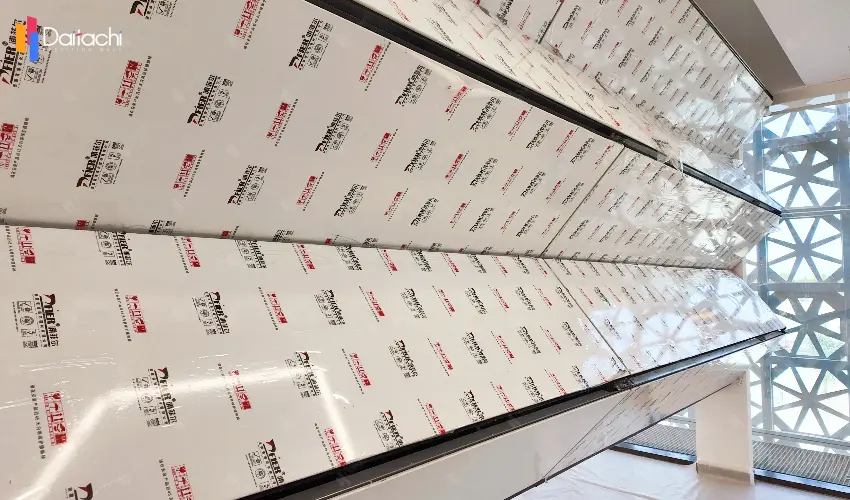
Bundled Installation Services: Some suppliers attract customers with low prices but force them to purchase installation services at prices far exceeding market rates. For example, the installation fee for a folding wall may account for 20%-30% of the total product price.
Installation Complexity: Suppliers may fabricate installation difficulties to charge exorbitant additional fees. For example, claiming "the wall's load-bearing capacity is insufficient and reinforcement is needed," when in reality only simple bracket installation is required, yet the cost increases by thousands of yuan.
After-Sales Liability Risks: If you install it yourself or choose a non-designated team, the supplier may refuse warranty service on the grounds of "improper installation," leaving you with no recourse for subsequent repairs.
Countermeasures: Confirm in advance whether the installation fee is included in the total product price and request a written breakdown; compare quotes from multiple third-party installation teams and choose the service with the best cost-performance ratio.
High Energy Consumption: Some low-priced folding wall systems use motors that lack energy efficiency certification, potentially leading to significant increases in electricity bills over time. For example, a non-energy-efficient motor may consume 30% more electricity per hour than an energy-efficient motor; based on 4 hours of daily use, this could increase annual electricity costs by hundreds of yuan.
Low Space Utilization: Design flaws can result in excessive space occupation after folding, impacting other functions. For instance, thicker folding walls require more ceiling storage and higher load-bearing capacity.
Failure to Meet Environmental Standards: Low-priced products may use formaldehyde-containing boards or paints, releasing harmful gases over time and posing health risks.
Solutions: Choose products with high energy efficiency ratings and review energy consumption test reports. Measure the installation space dimensions to ensure the folding wall thickness is appropriate and avoid wasting space. Obtain environmental certification from the supplier and retain the test reports as proof.
Before purchasing a vertical lift wall system, it is recommended to read this article to customize the best product for your site needs. Choose a trustworthy partner to avoid potential problems during the project and ensure the smooth completion of the building.
Related Articles: "Multifunctional Walls": Vertical-Lift Walls Help Businesses Cut Costs
Pitfalls of Buying Vertical Folding Walls: Three Hidden Costs of Low-priced Products