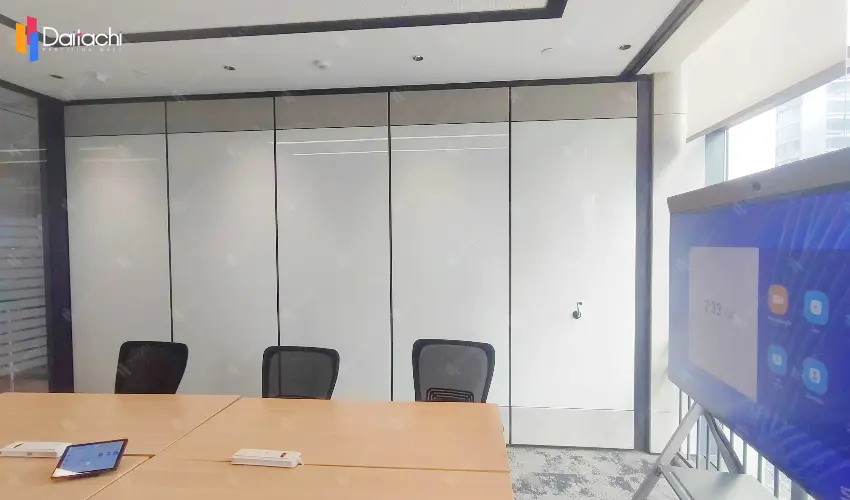
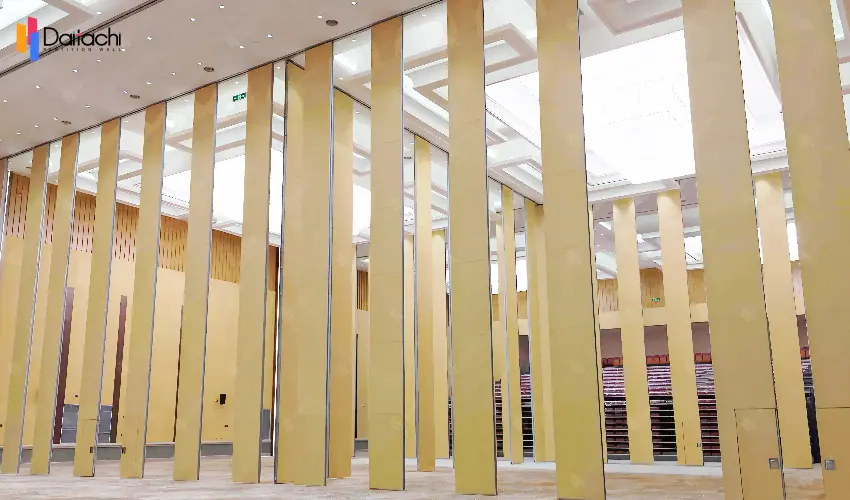
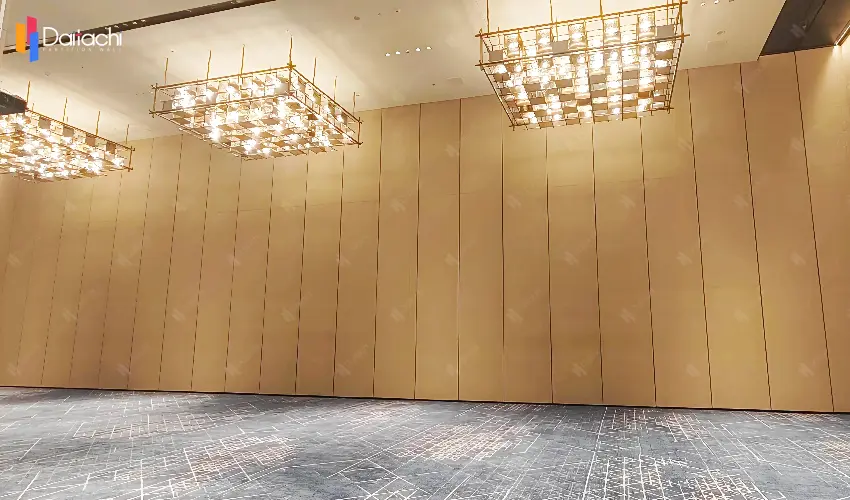
To learn about all aspects related to Movable Partition Wall, you can consult our comprehensive guide on Movable Partition Walls Hub.
Movable partition walls have become an essential solution for modern offices, hotels, conference rooms, exhibition spaces, and commercial buildings. Their flexibility allows spaces to be divided, expanded, and redesigned without major construction work.
The performance of a movable partition wall depends largely on its internal core materials and structural components. From the supporting skeleton to the surface finishes, every detail affects stability, sound insulation, durability, and overall appearance.
The skeleton is the main supporting structure inside a movable partition wall. It provides strength, stability, and ensures that panels remain aligned during frequent movement.
Key functions include:
Providing structural support: Maintains the shape and strength of the partition panels.
Improving stability: Prevents deformation during installation and operation.
Supporting hardware systems: Allows smooth movement through tracks, rollers, and connecting components.
High-quality skeleton systems are usually made from strong metal materials such as aluminum or steel, offering excellent durability while keeping the partition lightweight.
The internal core material is one of the most important parts of a movable partition wall. It directly determines many performance characteristics, including:
Sound Insulation Performance
For conference rooms, hotels, and offices that require privacy, acoustic performance is essential. High-density core materials help reduce sound transmission and create quieter environments.
Fire Resistance
Fire-resistant core materials improve safety by slowing the spread of flames and providing better protection in commercial buildings.
Thermal Insulation
Certain core materials provide additional thermal control, helping maintain comfortable indoor temperatures and improve energy efficiency.
Impact Resistance
Strong core structures increase the durability of partition panels, allowing them to withstand frequent use in busy environments.
Different applications require different core solutions. Common materials include:
Mineral Wool Core
Mineral wool is widely used because of its excellent sound absorption and fire-resistant properties. It is suitable for spaces requiring high acoustic control.
Honeycomb Core
Honeycomb structures provide a lightweight solution while maintaining good strength and stability. They are often used where easy operation and reduced weight are important.
Gypsum Core
Gypsum-based materials offer good fire resistance and sound insulation, making them suitable for office buildings and commercial projects.
Aluminum Honeycomb Core
This material combines lightweight construction with high strength, making it ideal for premium movable partition systems.
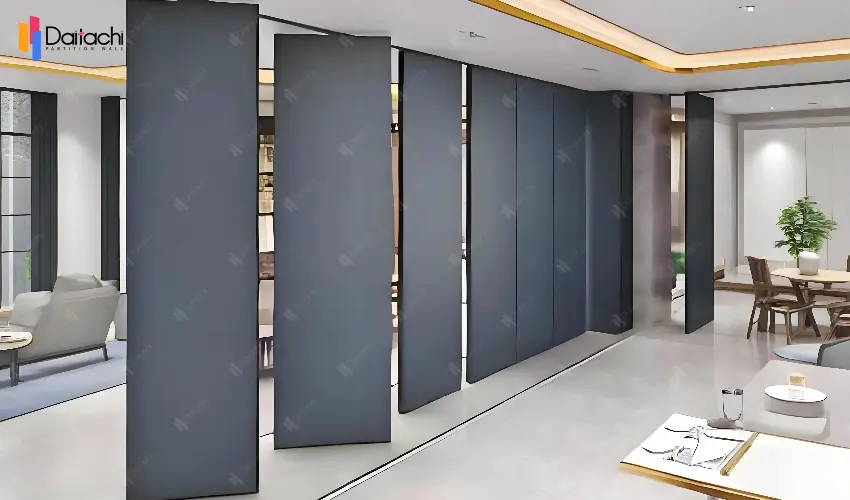
The exterior surface of a movable partition wall affects both appearance and practical performance.
Common finishing options include:
Fabric covering
Wood veneer
Melamine panels
Glass finishes
Custom decorative surfaces
These finishes allow architects and designers to match partition walls with different interior styles while maintaining functionality.
Although the core materials determine the wall’s basic performance, hardware components are equally important.
Important parts include:
Top tracks: Guide the movement of partition panels.
Rollers: Allow smooth opening and closing.
Sealing systems: Improve sound insulation and stability.
Connecting mechanisms: Keep panels tightly aligned.
High-quality hardware ensures long service life and reliable operation.
The best core material depends on the specific application requirements.
Consider the following factors:
Acoustic requirements: Choose high-density materials for meeting rooms, hotels, and recording spaces.
Fire safety standards: Select fire-resistant cores for public buildings.
Frequency of use: Heavy-duty materials are recommended for spaces with frequent reconfiguration.
Design requirements: Consider finishes and customization options to match interior aesthetics.
Budget considerations: Balance performance needs with project costs.
The core materials of movable partition walls determine their overall performance, including stability, sound insulation, fire resistance, and durability. From the internal skeleton and core structure to surface finishes and hardware systems, every component plays an important role.
By understanding these materials and their functions, architects, designers, and project owners can choose the most suitable movable partition wall solution for creating flexible, efficient, and modern spaces.
Related Articles: What Is the Internal Structure of a Movable Partition Wall?
The Impact of Material Selection on Service Life
Core Strategies for Saving Labor Costs with Movable Soundproof Partitions (Part 1)
Related Product : Type 105 Series Manual Temporary Partition Wall