To learn about all aspects related to Movable Partition Wall, you can consult our comprehensive guide on Movable Partition Walls Hub.
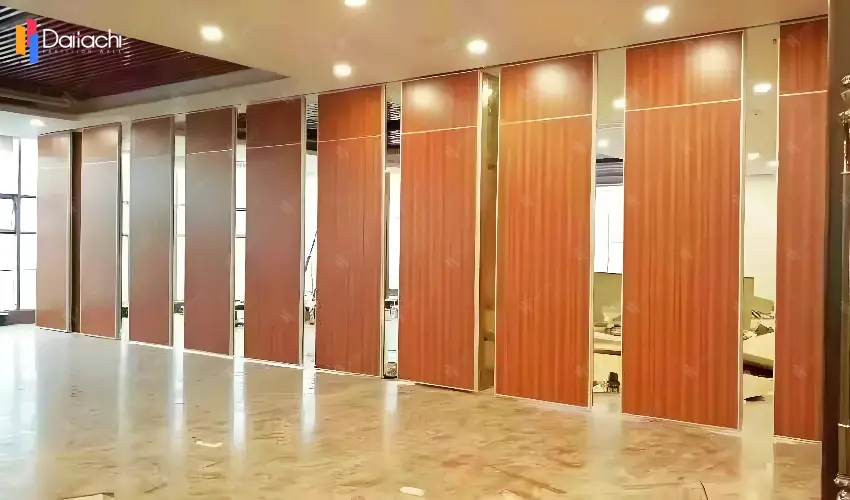
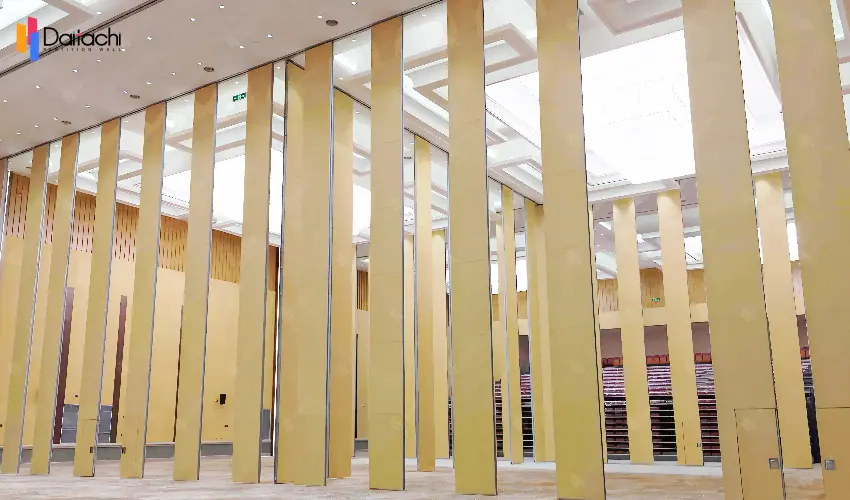
In the process of customizing partition walls for movable wall systems, the choice of material is the most important aspect in determining the life of the wall. The different materials differ significantly in their durability, resistance to environmental conditions as well as maintenance requirements. In this article, we will examine the effects of the materials used on their service lives with a focus on the most common non-glass products:
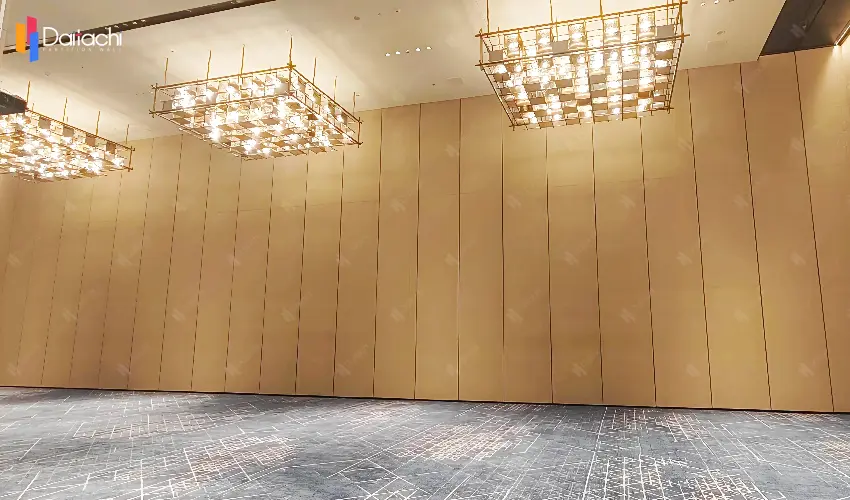
Aluminum alloy has become the preferred choice for moveable partition frames because of its strength, lightness as well as its excellent resistance to corrosion. The lifespan of its service can be more than 15 years. The fluorocarbon coating, or anodizing, further improves the resistance to corrosion, which makes it ideal for areas that have a lot of temperature variations (such as banquet halls in hotels and convention centres).
The lifespan of panels made from composite material (such as honeycomb panels or mineral wool panels) will depend on the high nature of the substance and its surface:
Superior mineral wool panels: They are extremely resistant to fire and sound amplification, as well as a an average service time of 10 years. They must, however, be secured from long-term exposure to water and mechanical damages.
Aeroplane Panels (Metal Honeycomb Panels): The best aircraft panels (such such as Aircraft Panel-III) are moisture-resistant as well as waterproof and resistant to corrosion which makes them ideal in humid areas such as bathrooms as well as kitchens. Their durability is much longer than those of standard composite panels.
It is important to note that the core material's absorption rate for water and surface's wear resistance directly affect the life span of the panel, therefore the choice of grade must be according to the purpose for which it is intended.
Solid wood partitions be used for over 20 years however, they require regular insect and moisture treatment. They also are susceptible to the effects of humidity (high humidity could cause deformation while the low level of humidity could cause cracks).
Suitable for: Dry, temperature-controlled spaces such as high-end clubs and villas. Regular maintenance by a professional is necessary to prolong their lives.
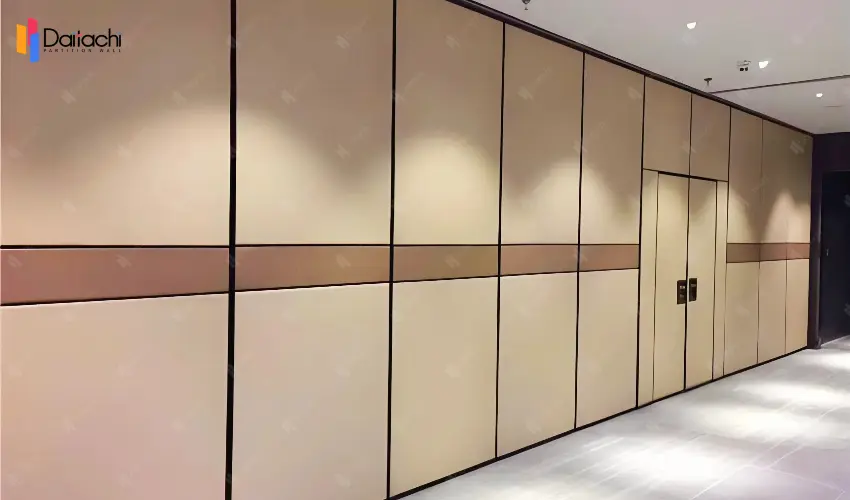
Fabric partitions generally are able to last from between 5 and 8 years. They are prone to the effects of environmental elements (such as fade from direct sunlight) as well as human influences (such as scratches, stains).
Optimization: Select wear-resistant and stain-resistant fabrics or opt for designs with removable elements that are easy to change, which reduces the long-term cost.
In humid areas (such such as pools and bathrooms): Choose aircraft-grade panels frame made of aluminum alloy and waterproof fabrics. Avoid traditional composite or solid wood panels.
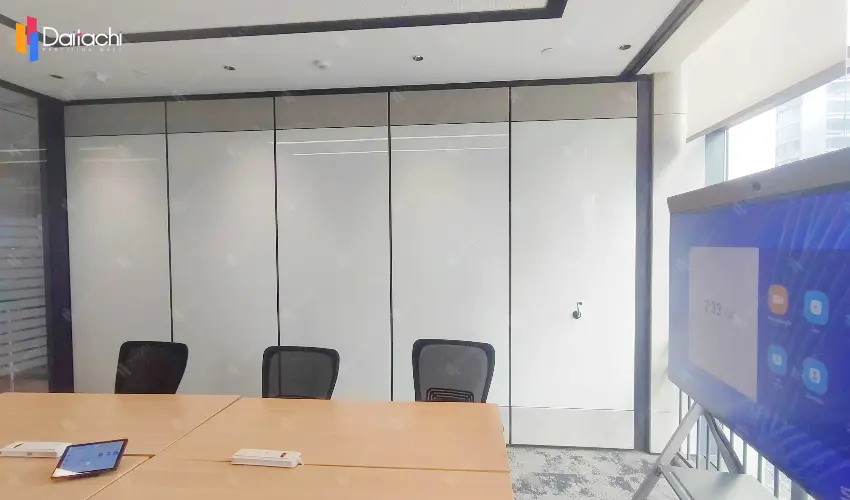
In high-frequency applications (such like conference halls or exhibition halls): Pick high-strength alloy frames as well as wear-resistant walls to decrease the frequency of maintenance.
To protect your workplace from fire (such such as banks, laboratories, and other institutions): Consider using the Class A fireproof material like mineral wool panels as well as metal honeycomb sheets to guarantee security and long-term durability.
Connectors that are secure as well as a proper method of shockproofing will increase the lifespan of the installation. In particular solid wood partitions can be vulnerable to deformation when during high humidity conditions which is why expansion joints must be installed. Panels made of composite should be put in place once the base material has become dry in order to avoid the expansion of water and absorbent.
Maintenance: Cleaning regularly the surface, applying lubrication to the tracks, and examining the state of hardware (such as hinges and rollers) could significantly prolong the life of.
Cleaning aluminum alloy tracks every quarter will reduce the likelihood of clogging. Thorough cleaning of fabric surfaces every six months may reduce the rate of fading.
The life-span of partitions that move cannot be determined by one material, but rather dependent on the properties of the material the operating environment, the ways of installing, and maintenance intervals. In light of the function of the space as well as budget and cost, it's suggested to select corrosion-resistant materials that are easy to maintain (such as aluminum alloy frames or high-quality Composite panels). A regular plan for maintenance can ensure that the partitions stay "new" over time, thus making them a long-lasting investment for your renovation of space.
Related Articles: A Complete Guide to Choosing Veneer Panels Part 1
Impact of Metal Surface Roughness on the Performance of Movable Partition Walls and Solutions
Related Product: Type 100 Series Manual Sliding Partition Wall