To learn about all aspects related to Movable Partition Wall, you can consult our comprehensive guide on Movable Partition Walls Hub.
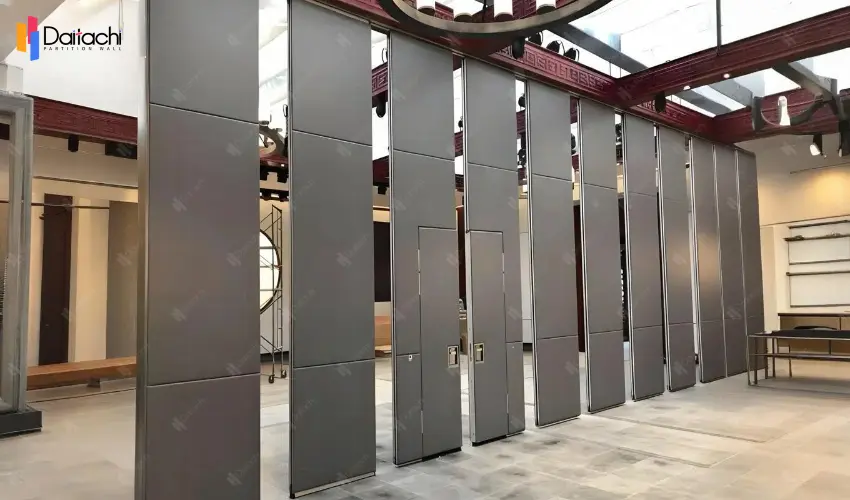
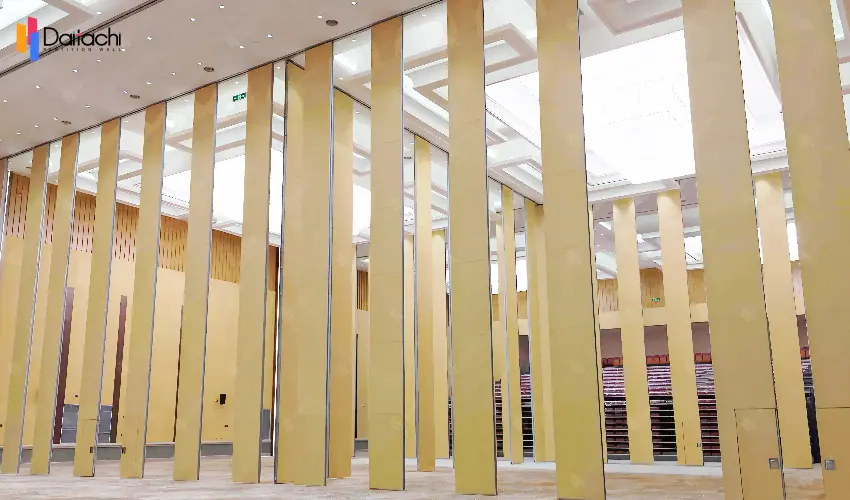
Ultra-high operable partition walls offer an innovative solution to flexibility in the management of space in public or commercial industrial settings. They often go beyond normal ceiling levels, and need special material as well as creative designapproaches for the stability, function as well as aesthetics. This article outlines the principal materials utilized as well as the concepts of design they are based on.
Structural Frame
Steel or Aluminum Alloy: Due to the size and the potential weight of ultra-high partitions. Steel or aluminum alloys with high strength usually are used to construct frames. These alloys have an outstanding weight-to-strength ratio. This means that they can handle the lateral and vertical forces without a lot of weight.
Reinforced composites in some instances: Fiber-reinforced Polymer (FRP) and other composite materials can be employed in specific parts to increase endurance and resist to the elements that cause corrosion, or to environmental influences.
Panels
Medium-density Fiberboard or High-density Plywood (MDF) for an elegant look, high-density plywood or medium-density fibreboard (MDF) sheets are very popular options. They have a smooth, even surface and are simple to paint, and are able to be customized using the use of paints, finishes, or even laminates.
Metal panels: Steel or aluminum panels have a sleek industrial look and longevity. They can be powder coated or anodized to provide greater resistance to corrosion and aesthetic appealing.
Acoustic panels to improve noise insulation, special soundproofing panels that contain minerals like mineral wooland a foam core is used. They are made to absorb the sound waves and create more peaceful surroundings.
Tracks and Roll Mechanisms: Track systems that can withstand heavy duty for extra-high partitions need an extremely sturdy track system that is designed to support weights of a considerable amount. They are generally composed of extruded aluminium or steel, which ensures the smooth, seamless motion.
Ball Bearing or Roller Systems: Ball Bearings of the highest quality bearings and roller systems are installed on the top or bottom of partitions. This allows for shifting and sliding. The components are made to last and are low-friction.
Sealing and insulation Weatherstripping and Gaskets to ensure an airtight seal as well as insulation from sound when partitions are sealed Flexible weatherstripping as well as gaskets made from silicon or rubber are put in place along the edges.
Insulated Cores: Certain partitions include layers of insulation to improve acoustic and thermal efficiency. They could be made of fiberglass, foam, or any other type of insulation.
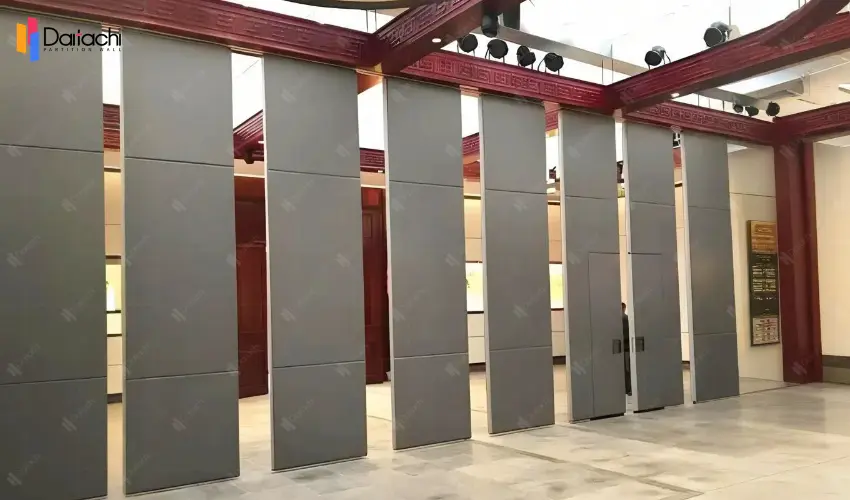
Flexibility and Adaptability
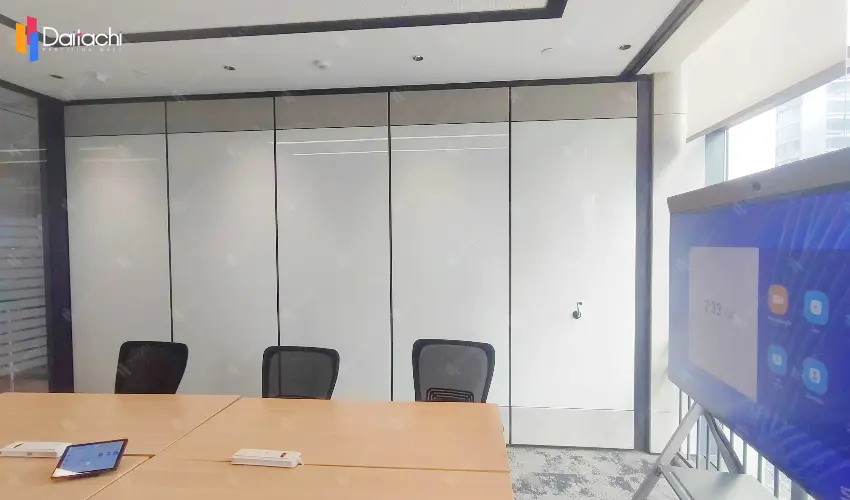
The principal goal for ultra-high movable partitions is to give the the greatest flexibility for space planning. These partitions allow spaces or rooms that can be easily transformed to suit changing demands for hosting various types of events, changing the layout of offices, or building temporary partitions within hallways.
The designs often include modular components which allow the panels to be moved, removed or adjusted to fit various situations.
Stability and Safety
Due to their size as well as the possibility of collisions with wind or other accidental forces stabilization is a key aspect of design. Frames and support structures are constructed to resist bends as well as collapsing in normal conditions.
Security options, including locking mechanisms that secure partitions, and to prevent any unintentional movement are essential to the layout. Additionally, the materials used and construction techniques are geared towards fire resistance and conformity to building codes.
Aesthetics and Integration
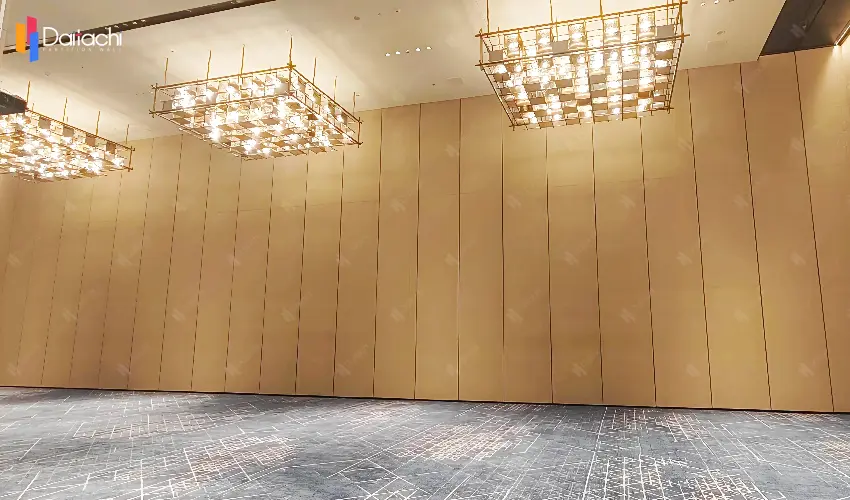
Ultra-high partitions are made to seamlessly blend in with current architectural elements as well as interior designs. Colors, finishes and patterns are chosen to enhance or complement the space around it, increasing the visual impact of the entire space. Sometimes partitions could include decorative elements like images, artwork or even lighting. This makes these partitions both practical and visually pleasing.
Durability and Low Maintenance
With the huge investment involved the process, durability is an important aspect. Material selection is according to their resistance wear and tear, as well as environmental conditions to ensure durability and lower the need for maintenance.
The designs often highlight simple-to-clean surfaces as well as components that can be maintained that make for easy routine inspection and repairs, which reduces times of breakdown and costs for life.
As a summary, ultra-high moving partition walls is blend advanced materials and clever design concepts to offer flexible, sturdy,and aesthetically pleasing solutions to the modern day problems of space management. With a focus on safety, functionality and aesthetics they enhance their utility and aesthetic appeal in various settings.
Related Articles: Analysis of Core Factors in the Installation of Extra-High Movable Partitions (Part 1)
the Impact of the Quality of Movable Partition Materials on Service Life
Introduction to Materials and Processing Technologies for Movable Partition Walls
Related Product: Type 105 Series Manual Temporary Partition Wall