To learn about all aspects related to Movable Partition Wall, you can consult our comprehensive guide on Movable Partition Wall Hub.
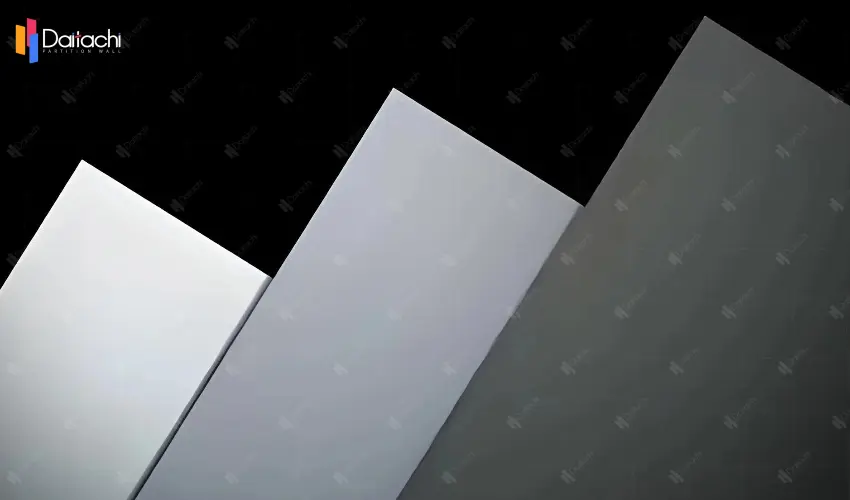
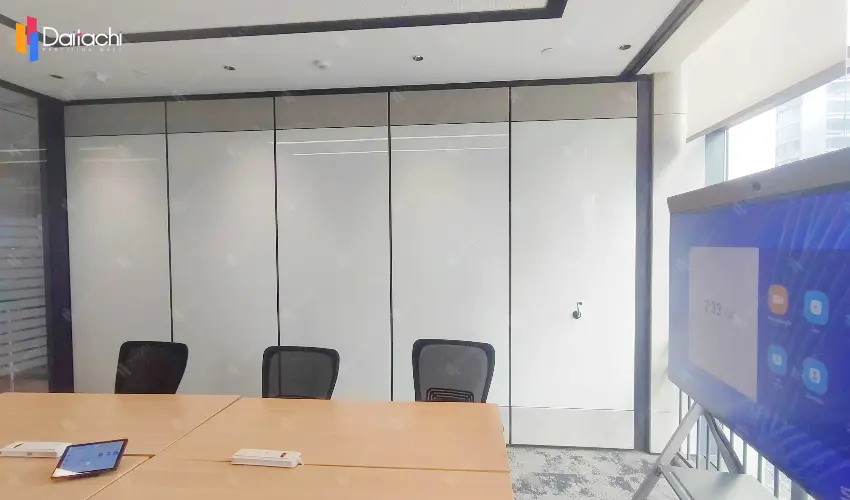
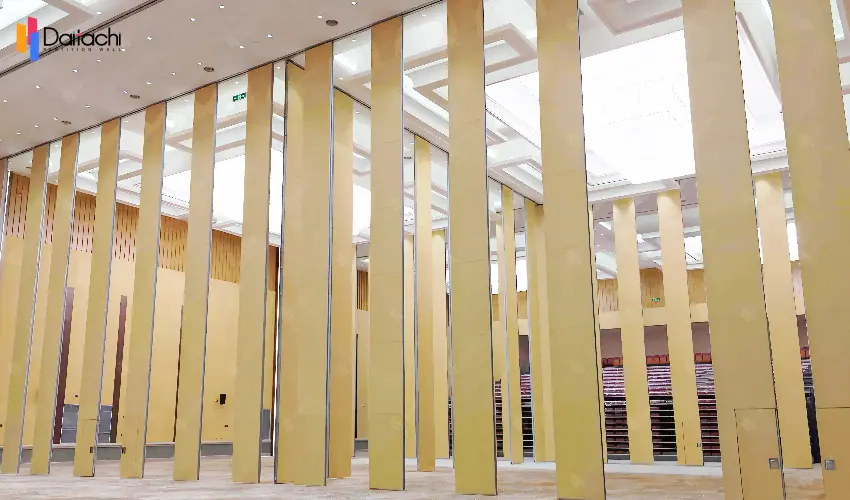
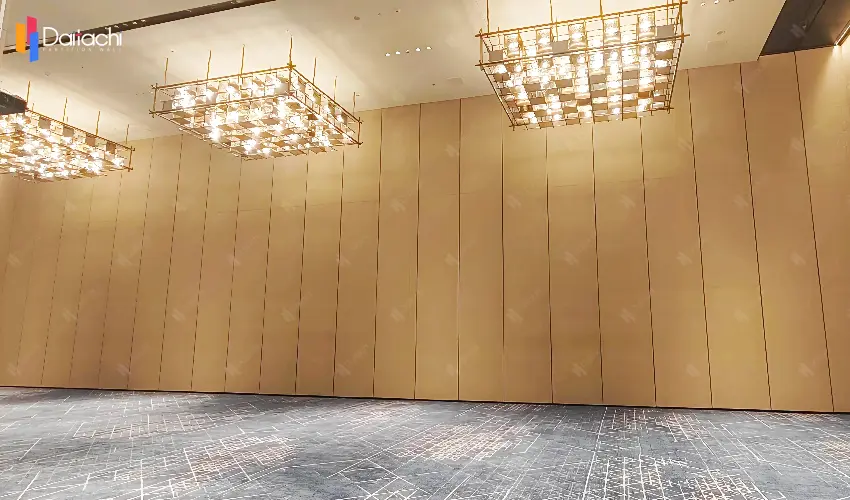
In the case of installing partitions that move or walls that can be adjusted vertically, most people have trouble choosing the best panel. This article reviews six varieties of panels for veneer.
Principal Features: The substrate is treated with a specific process to make it wear-resistant, scratch-resistant (Mohs hardness ranging from 3-4) as well as stain-resistant. It is also easy to wash (impervious to soy and coffee sauce and coffee). The environmental friendliness of the surface is determined by the material (E0/E1 accreditation is mandatory). There are a variety of textures readily available (wood grain stones, wood grain, solid shades).
Negatives: Complex shapes are not able to be created Edge sealing requirements are extremely high (prone to expand and contract).
Applications: Used extensively in the furniture industry for contemporary minimal cabinets.
The key features: PVC film is applied on the substrate and allows elaborate designs like European-style carvings as well as Roman columns. Also, it has a pleasant texture (skin-feel PVC). It's waterproof and water-resistant (suitable for bathrooms and kitchens) however, it is not very good at resistance to high temperatures (easily can deform at temperatures over 80 degrees Celsius).
The disadvantages are that low-quality PVC has plasticizers (which could cause odor risks) and lasts a period of between 5 and 10 years.
Suitable: Rustic-style cabinet doors.
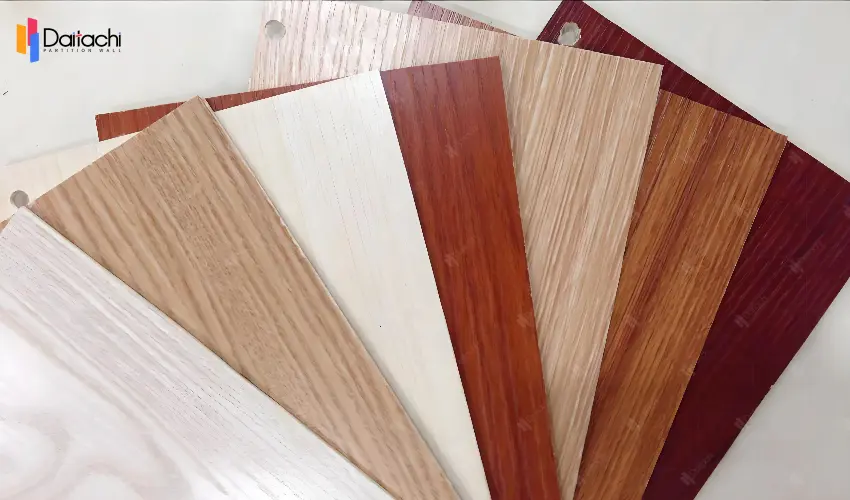
The main features: PET has a matte texture that is silky and smudge-proof; high-gloss PET is a mirror-like surface and is simple to wash. PET is green with no odor, toxic and non-toxic even when it is burned (baby plastic bottle) It is also chemically resistant (oil cosmetics, oil).
Cons: Cost is higher (1.5-2 times the cost of a double-sided veneer) Surface hardness average (Mohs 3.0).
Suitable: Minimalist-style cabinet doors.
The key features: Made through various processes, including primer, topcoat and baking on various substrates, it's water- and impervious to moisture, simple to wash (stains can be easily removed) It is also available in undiluted colours (gloss or matte finishes offered). It provides a stunning appearance and feeling.
Advantages: Costly (complex manufacturing procedure) and resistant to scratching (paint is prone to chipping in the event of being struck by objects that are hard).
Suitable: High-end custom cabinet doors, room doors, etc.
Related Articles: A Complete Guide to Choosing Veneer Panels Part 2
A Complete Guide to Choosing Veneer Panels Part 3
Impact of Metal Surface Roughness on the Performance of Movable Partition Walls and Solutions
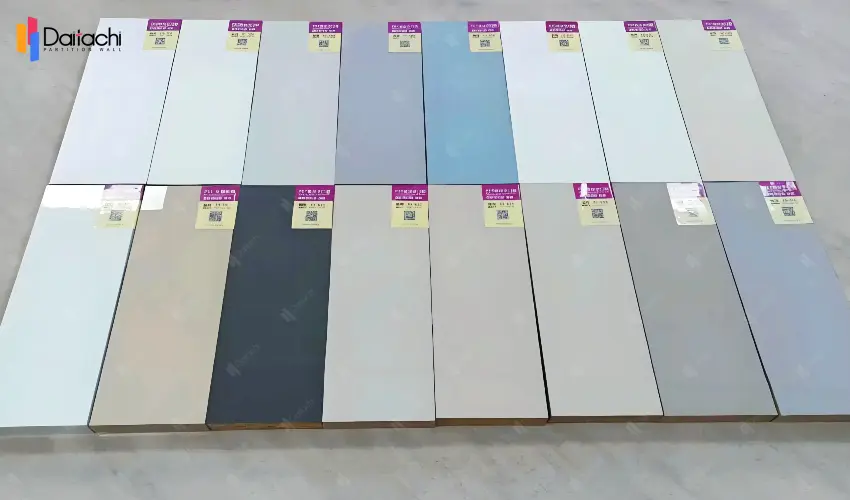
Important Features: Constructed from synthetic board and covered with wood that is natural to protect the grain. This finishes provides a luxurious appearance and is able to repair small scratches. With a specially-designed treatment that combines these two materials provides better durability than furniture made of solid wood.
Cons: Pricey (rare veneer) and unstable (prone cracking) as well as complicated upkeep (requires frequent waxing).
Suitable: Chinese-style/log-style furniture (such as black walnut veneer).
Key Features:
Metal finishes (aluminum and stainless steel) give a trendy look and durability, however they can be costly.
Glass finishing (tempered glass) give a more clear and attractive appearance but are prone to stains.
Suitable: Light luxurious wall accents (such such as stainless steel mouldings).
Related Articles: A Complete Guide to Choosing Veneer Panels Part 2
A Complete Guide to Choosing Veneer Panels Part 3
Impact of Metal Surface Roughness on the Performance of Movable Partition Walls and Solutions