To learn about all aspects related to Movable Partition Wall, you can consult our comprehensive guide on Movable Partition Walls Hub.
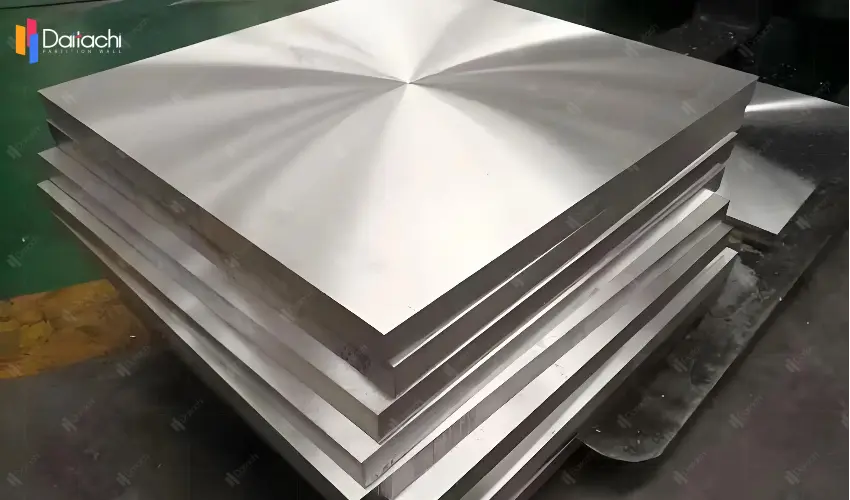
The term "metal surface roughness" refers to the variation in the microscopically shaped geometric form of the metal surface following the process. It's typically measured using an Ra value (arithmetic value of the mean deviation in the profile ); lower Ra values suggest a more smooth surface and smaller Ra numbers indicate a rougher surface. Wall frames that can be moved generally consist from aluminium alloy (Ra 0.8-3.2mm) as well as stainless steel(Ra 0.4-1.6mm). Surface treatment directly impacts the sealing properties and coat adhesion.
Test data: When the Ra value of the frame joint is greater than 2.0mm The compression rebound rate for the sealing strip of silicone drops by 37%. This can result in a reduction in the noise insulation ratings.
Practical Use: The banquet hall of a hotel partition was leaking sound. Tests found the track joint was having a Ra amount of 2.8mm. A polishing procedure of 1.2mm was able to fix the problem.
The sliding resistance of a wheel is in positive correlation with roughness. For every 1mm increment in Ra the working force on the wheel universal is increased by 2.5N.
Extreme Case: The convention center partition wall was constructed with the track's Ra value at 3.5mm which resulted in an operating force for a single person of 85N. This was higher than recommended ergonomic guidelines.
Powder Spray Coating Adhesion: The adhesion of a material with a A amount that is 1.6mm is 5.2MPa and that of surfaces with a Ra of 3.2mm falls to 3.8MPa.
Particular Characteristics Specific: Characteristics Anodic Oxide Films: Increasing roughness improves adhesion to the film however, a thickness of more than 2.5mm increase the chance from electrochemical corrosion.
3D Optical Profilometer Measurement: Precision Manufacturing Environments
Stylus Roughness Tester: Routine Quality Inspection
Image Analysis (for Ultra-Smooth Surfaces): Medical-Grade Cleanroom Partitions
High-Performance Mechanical Polishing Get an Ra 0.4mm mirror surface, perfect for top-end frames for hotel partitions
Chemical Etching creates nanostructures that are micronano over an Ra 1.5mm base surface improving the adhesion of powder coatings by 30 percent
Laser Texturing: Create custom 0.8-1.2mm regular textures that balance friction and sealing properties
Extremely flexible, elastic and deformable silicon sealing strips keep the 95% rate of contact even when working on surfaces with a surface roughness of 2.0mm surface. Embedded Airtight Strips: Automatically adjusts gaps due to roughness of the surface using 0.3MPa air pressure
Scenario-Based Selection Guide
Application Scenario Recommended Roughness Range Surface Treatment Process Performance Specifications
Partitions that are frequently moved: Ra 0.8-1.5mm Hard Anodizing and Polishing Operating Force = 50N, STC > 50dB
Fixed decorative partitions fixed: Ra 1.2-2.0mm Electrostatic powder coating, coating time greater than 15 years
Cleanroom partitions include: Ra 0.4-0.8mm Electrolytic polishing plus an sterile coating. The particle release = 0.3mm
Partitions for outdoor weatherproofing: Ra 2.0-3.0mm with fluorocarbon spray coating, texturing resistance to salt spray > 3000h
Through precisely controlling the metal's roughness on the surface and using the latest sealing technology. Baker's modular partition wall system is able to achieve millimeter-level operational accuracy as well as an extremely extended service lifespan while maintaining high-end reliability. From selecting the right material to optimizing, we offer complete technology solutions.
Related Articles: A Complete Guide to Choosing Veneer Panels Part 1
Veneer Treatments and Their Effects
Installation Guide for Partition Wall Veneer