To learn about all aspects related to Movable Partition Wall, you can consult our comprehensive guide on Movable Partition Wall Hub.
Today, veneer has become a necessity in modern interior design and offers both designers and homeowners versatile options for surface treatments. Those treatments change not only the look of the veneer, but also alter its functions and durability. The primary veneer treatments and their effects are described below.
Wood grain veneer captures the natural wood grain and color which satisfies the consumer's desire to make their home feel warm and inviting. The natural veneer is more naturally beautiful, and also more rare, because each substrate is one of a kind. The artificial wood grain veneer features technology to even out the imperfections in the natural wood.
The paint on the surface is fully dried and even more water repellant after being subjected to the high baking. The resulting bake finish is a high gloss and wide variety of colors. Bake finish not only makes the veneer more visually appealing, but also makes the surface easier to clean as it picks up less dust. The painted process of the veneer also makes it more resistant to wear and to harsh chemicals, thus increasing the overall durability of the veneer.
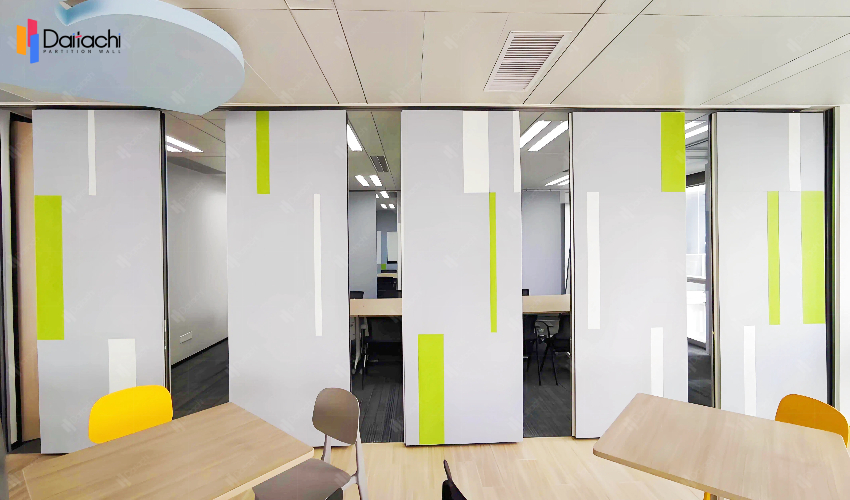
Blister or PVC lamination is a technique that variably laminates a substrate surface with a softened PVC or other plastic film via vacuum forming or hot pressing. With this technique, architecture can simulate the essence of most materials such as wood, stone, or fabric. PVC laminated veneers are visually pleasing, wear- and scratch-resistant, waterproof, and moisture-resistant, and can be used in various environments.
Brushed and sandblast surfaces are popular options for metal veneers. Brushed surfaces utilize mechanical action to developed fine brush markings that add elegance to the surface. In contrast, sandblasting introduces a fast-moving stream of sand to the metal in order to produce a matte finish. In addition to aesthetics, sandblasting and brushing add corrosion and fingerprint resistance to metal veneers.
Three-dimensional effects on veneers can be achieved through the mechanical or chemical application of stamps into the surface. This makes for a unique design with added depth, and are a wonderful complement to a variety of decor styles.
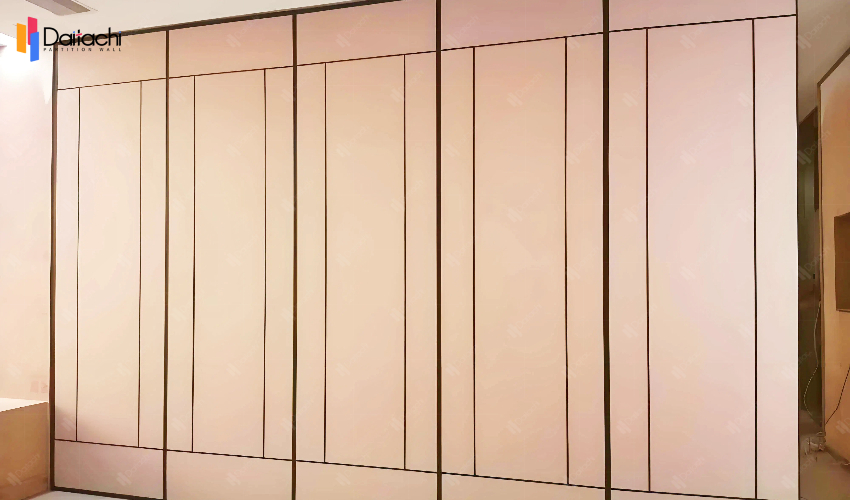
This veneer is the incorporation of a flame-retardant board to the surface of a veneer. Flame-retardant boards are able to control the propagation of fire, providing added safety to constructions. Fireboard veneers are easy to clean and maintain, making them suitable to use in safety-sensitive areas.
Different treatments for veneer, veneer have their own distinct effects and specific applications. When choosing veneer, it is important to consider its aesthetics and performance. These treatments will help in selecting the correct veneer products for the project. We hope this popular science article aids you in this regard.
Related Articles: A Complete Guide to Choosing Veneer Panels Part 1
Manually Movable Partition Wall Panels: Precision Craftsmanship for Superior Quality