When selecting a flexible space division system, choosing between operable partitions and vertical lift walls is a critical decision. The choice depends on ceiling height, space utilization goals, acoustic requirements, and budget considerations.
If ample ceiling height is available, maximum floor space utilization is required, and superior acoustic performance is a priority, retractable folding wall are the preferred solution. Conversely, when ceiling height is limited, highly flexible layouts are needed, and the budget is more moderate, operable partitions are generally more suitable. The following is a detailed comparison:
Space Utilization Efficiency
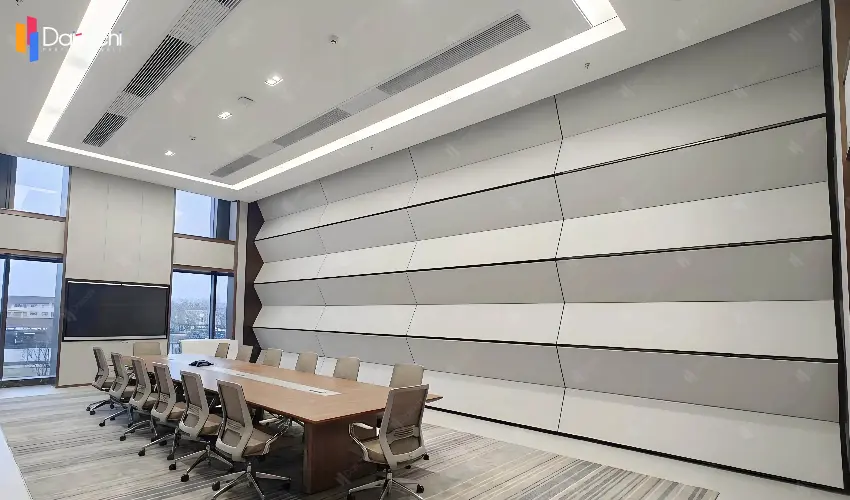
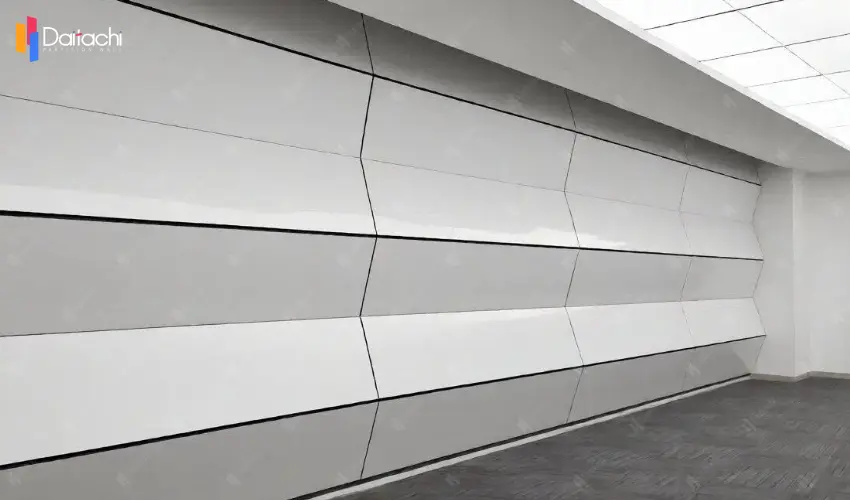
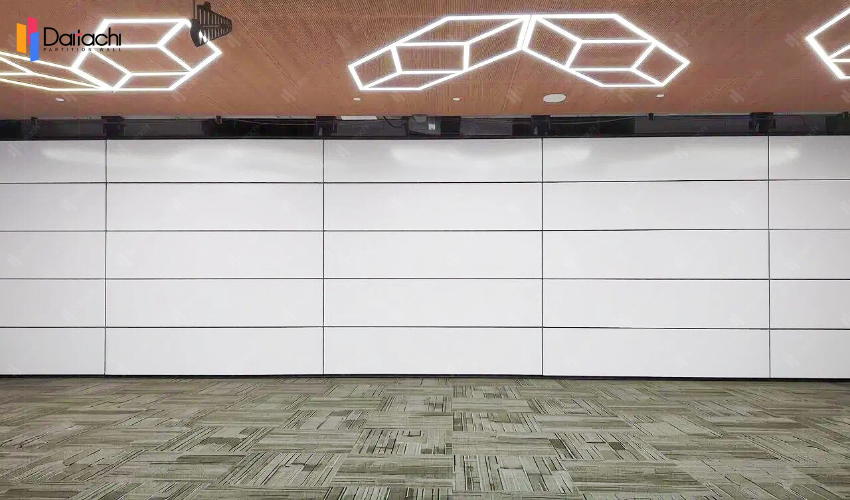
Vertical lift walls feature a ceiling-stored folding design that completely conceals the panels when retracted, fully liberating floor space. They are ideal for large-span areas with ceiling heights exceeding 3 meters, improving space utilization efficiency by 40%–60%.
In contrast, operable partitions require lateral storage pockets, making them more suitable for smaller to medium spaces, though they occupy some floor area when stored.
Technical Complexity and Cost
Vertical lift systems involve higher technical complexity — typically 2 to 3 times that of standard operable partitions — due to precision ceiling tracks, motorized drive systems, and intelligent controls.
Track System: Utilizes high-precision 6063-T6 anodized aluminum tracks with minimal deviation for long-term stability.
Drive System: Equipped with reliable motors (often German-imported), stable power supply, and overload protection for smooth and consistent operation.
Functional Performance
Vertical lift walls offer clear advantages in fire resistance and sound insulation:
Fire Resistance: Made with magnesium oxide boards or aluminum honeycomb panels, providing superior fire ratings that meet stringent safety standards.
Sound Insulation: Multi-layer composite construction achieves STC ratings of 55–65, significantly outperforming the typical 35–45 STC range of standard operable partitions.
Load Capacity: Engineered ceiling rails provide strong load-bearing capability for heavy panels.
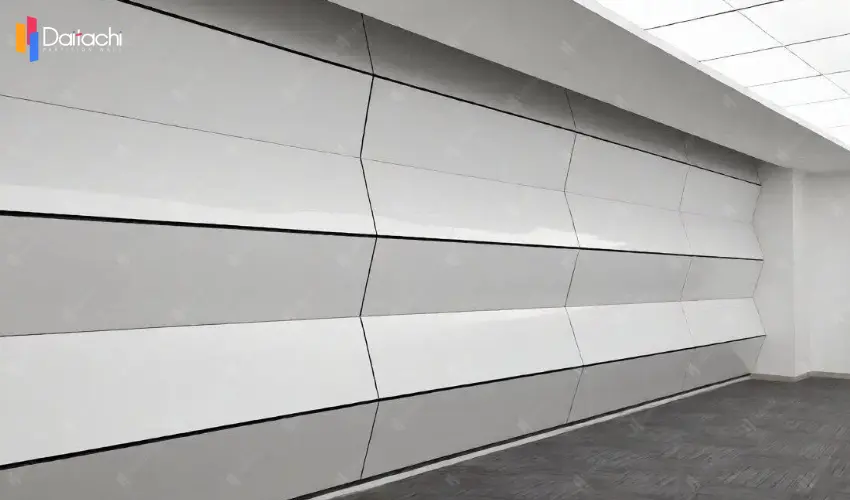
Vertical Folding Lift Walls
High-end commercial venues: Five-star hotel banquet halls, international conference centers, and premium event spaces.
Healthcare and research facilities: Operating rooms, laboratories, and wellness centers requiring high hygiene and acoustic standards.
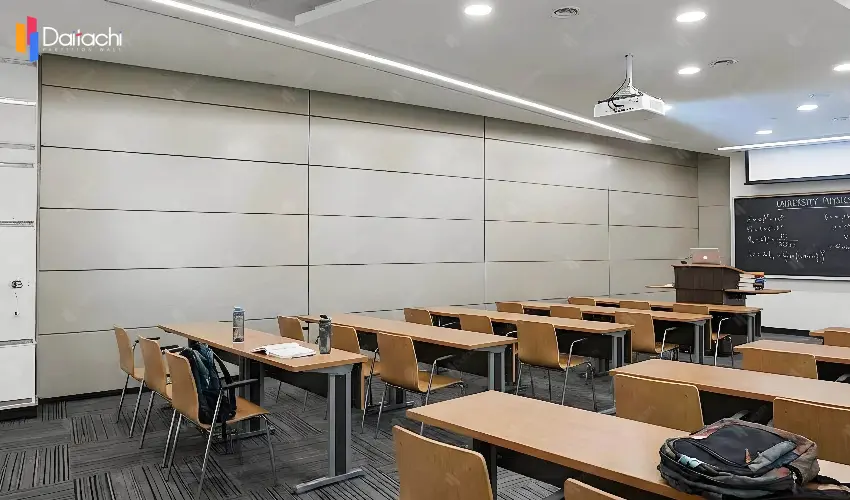
Educational institutions: Multi-purpose classrooms, auditoriums, and gymnasiums.
Operable Partitions
Small to medium offices: Open-plan workspaces and meeting rooms needing frequent reconfiguration.
Hospitality: Private dining rooms in hotels and restaurants.
Temporary or flexible venues: Exhibition halls, art galleries, and training centers requiring quick and easy deployment.
Vertical lift walls require periodic professional maintenance, including track cleaning, motor checks, and seal inspection. Operable partitions have simpler maintenance focused mainly on tracks and seals, resulting in lower routine costs.
However, vertical lift walls offer a designed service life exceeding 20 years. When evaluated over the full lifecycle, they often deliver better long-term cost efficiency due to superior durability, performance, and space value.
Retractable wall excel in premium projects where space optimization and high performance are paramount, while operable partitions provide excellent flexibility and cost-effectiveness for more standard applications. A professional site assessment is recommended to determine the most suitable solution based on your specific project requirements.