To learn about all aspects related to Vertical Folding Partition Wall, you can consult our comprehensive guide on Vertical Folding Partition Wall Hub.
Vertical retractable acoustic partition are an architectural design which makes use of mechanical drives to create vertical lift which is utilized for flexiblely dividing and expanding areas. The underlying concept is flexible space management as well as functional integration as well as intelligent control. This analysis will focus on the following four aspects of definition, function aspects, scenarios for application and trends in technology:
Vertical retractable walls can be described as a wall structure which can be moved vertically on an unfixed track. It makes use of mechanical components including motors chain transmissions, levers and guide rails for the raising, lowering or repositioning that the wall. In essence, it converts an unmoving building into a flexible functional unit, improving space utilization and adaptability by allowing rapid switch between the physical space and open space.
The most important components are driving system components, the guidance device, control system as well as safety systems.
Dynamic Space Partitioning
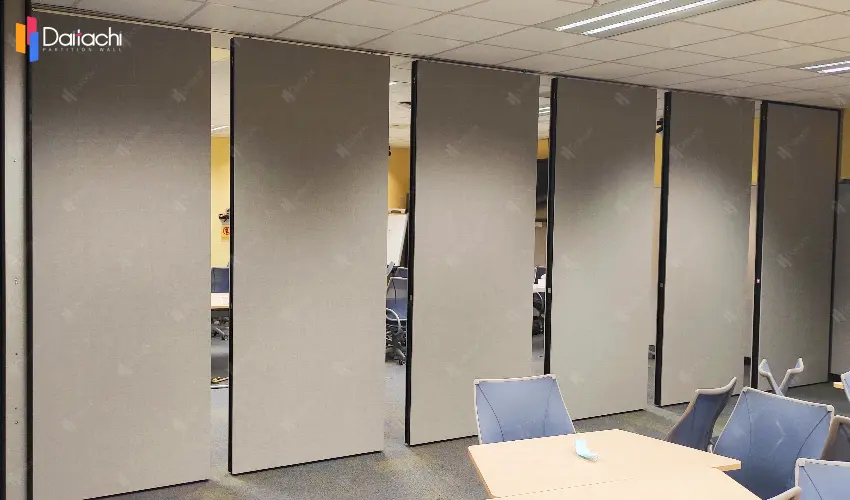
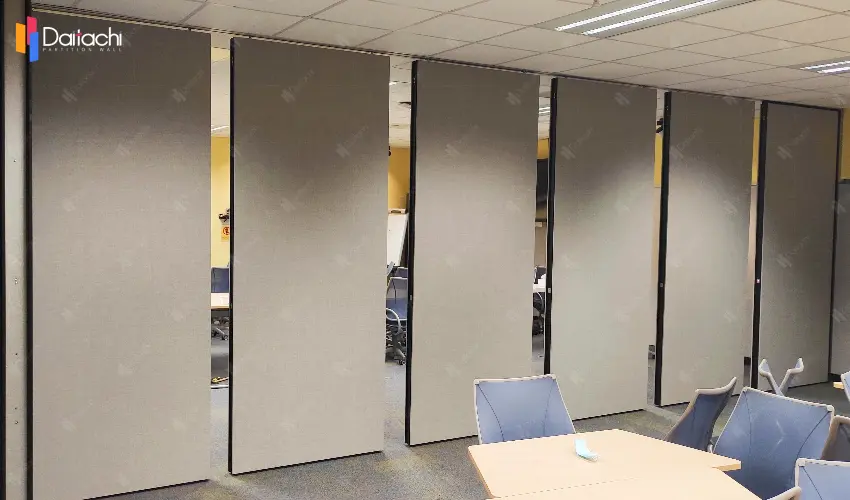
The electric vertical wall partition allows rapid switch modes that allow instant transition between "closed" into "open" space via moving the walls, with no need to dismantle or re-building walls. Its multiple-height positioning feature will meet the requirements for partitioning in a variety of scenarios like an open meeting modeor an entirely protected private space.
Functional Integration
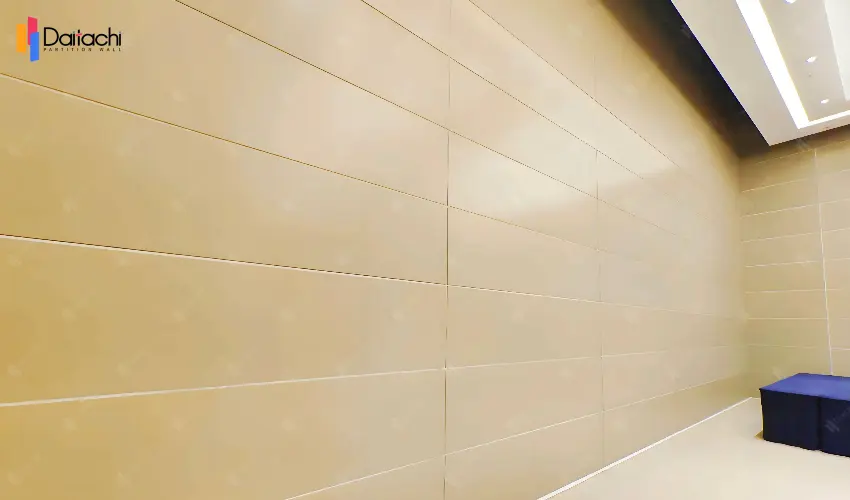
Vertical lifting walls excel in the areas of sound insulation, thermal insulation, aesthetic compatibility and smart linking. Sound insulation cotton built into the double-layer structure of the panel will provide 50 to 60 decibels of audio insulation It also supports custom finishing options like metal, paint and fabrics, effortlessly blending with the interior design style.
Safety and Reliability
Vertical folding retractable wall comes with a range of safety devices, such as anti-pinch seal strips, pressure sensors as well as emergency stop buttons. A steady current assures a smooth running of the wall when motor drive, which prevents the wall from slipping or jamming. The frame is made of high-strength aluminum alloy and wear-resistant guiderail design guarantee a life span of over 10 years.
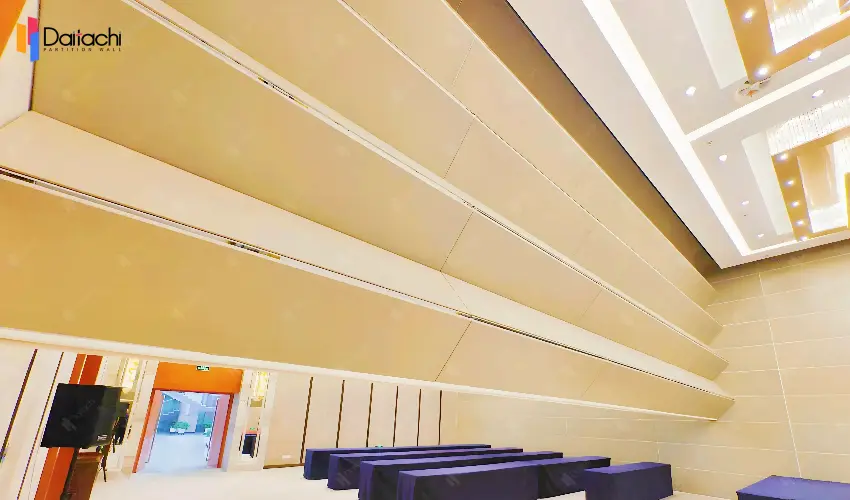
Commercial Spaces
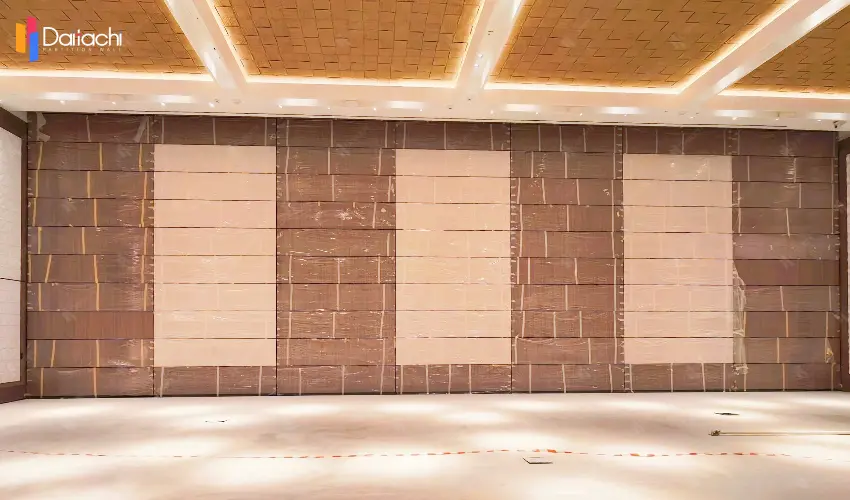
In exhibit centers Vertical lifting walls are able to efficiently divide huge halls into a variety of independent zones for exhibition, increasing the efficiency of exhibitions; banquet rooms can be adjusted in sizes to host several events at once; shopping malls could utilize them as dividers for the temporary areas of promotion or play spaces, easily responding to shifts in the flow of customers.
Office Environments
In open-plan office spaces vertical lift walls can are a great alternative to traditional partitions and achieving an energizing balance between collaborative work and individual tasks. If the walls are raised within meeting rooms, they provide space for privacy; once raised, they blend seamlessly to the office, enhancing the sense of the openness.
Special Environments
Cleanrooms come with horizontal retractable walls that have strip seals and dustproof constructions that meet the stringent standards for the separation of spaces within dust-free workplaces. In the event of an emergency they are able to swiftly separate zones for medical treatment or temporarily zone of isolation, improving response efficiency.
Green and Energy-Saving Design
Motors with low energy consumption and energy-saving control techniques reduce the operating cost and wall material is becoming more environmentally-friendly as well as recyclable choices, which are in compliance with the sustainable building guidelines.
Modularity and Customization
Allows for the use of modular combinations of the wall's size, shape and functions to satisfy your individual demands. One-on-one support, with individual solutions, from concept through installation.
Regarding their spatial versatility
Vertical lifting walls can be adjustable in height and allow for an active separation unlike traditional partitions (such as brick walls or rigid glass walls) are fixed and are not adjustable. Regarding the efficiency of installation
The modular structure of vertical lifting walls can reduce the time to install them by a couple of weeks, whereas traditional partitions are constructed over a longer period of time. Regarding cost vertical wall construction has greater initial costs however low operating expenses over the long term in comparison to traditional partitions, which come with lower costs at the beginning, however they are costly to renovate or demolish. expenses. Regarding design, vertical walls can be customised to match the decor, but traditional partitions come with fixed designs that make it challenging to meet the diverse requirements.
By integrating technology that is both intelligent and mechanical
Vertical lifting walls redefine possibilities for space separation. They're not just practical architectural toolsbut they also offer innovative strategiesthat enhance the efficiency of space as well as user experience as well as the value of buildings. Through the use of advanced technology like artificial intelligence, Internet of Things and AI vertical lift walls are expected to grow towards a more sophisticated eco-friendly, sustainable, and personalized direction. It will be one of the most important parts of smart buildings in the near future.
Related Articles: Future Design Trends of Vertical Lifting Walls
Five Core Principles of Vertical Lifting Wall System Design