To learn about all aspects related to Vertical Folding Partition Wall, you can consult our comprehensive guide on Vertical Folding Partition Wall Hub.
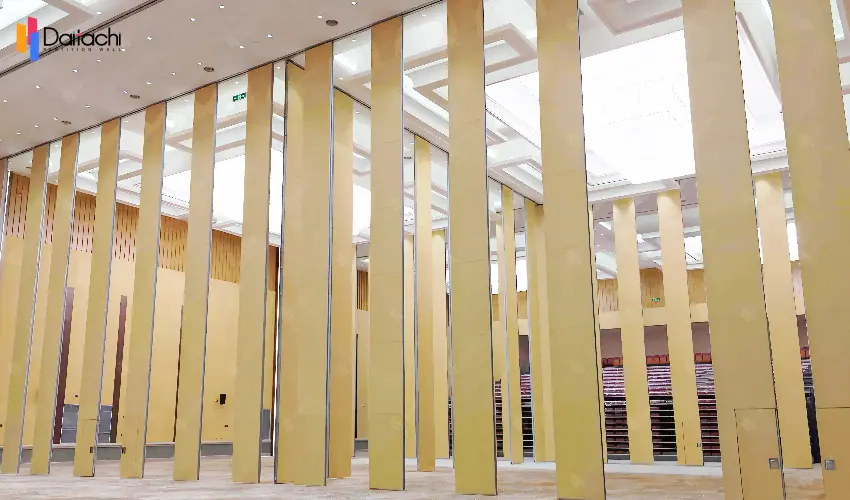
With the development trend of modular building, vertical lifting folding walls have become an ideal choice for rapid installation and renovation projects due to their advantages such as rapid assembly, flexible modification, efficient space utilization, and consideration of acoustics and visual effects. The following is a detailed analysis:
Factory Prefabrication: Vertical lifting folding walls adopt a modular design, requiring only on-site assembly. For example, modular buildings can shorten the construction period by 30%-50%, quickly responding to the batch construction needs of projects such as commercial spaces.
Standardized Interfaces and Mechanical Connections: Modules are precisely connected through high-precision metal connectors, forming a stable structure without complex on-site construction. For example, the connection points of folding modular partitions integrate guiding, locking, and force transmission functions, ensuring sufficient rigidity after the module is unfolded.
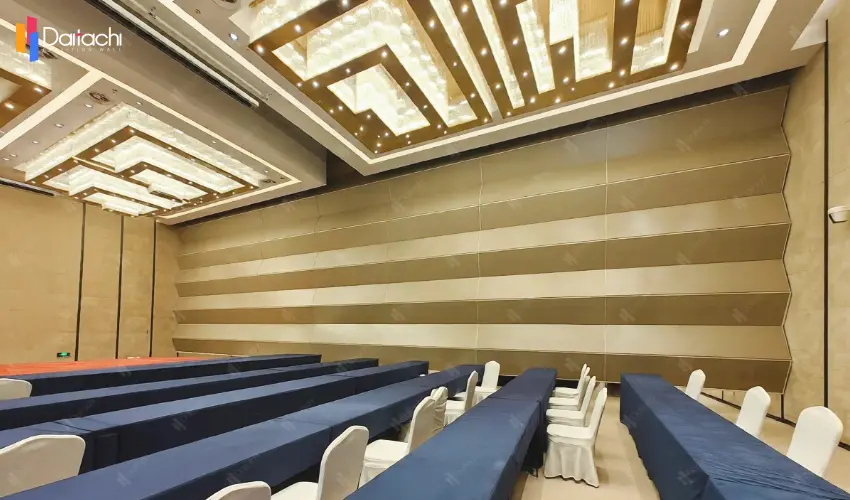
Dynamic Switching of Space Functions: Vertical lifting folding walls can switch space functions according to needs, improving overall space utilization.
Potential for Multiple Application Scenarios
Medical Field: Vertical lifting walls can be used to improve the utilization rate of spaces such as operating rooms and examination rooms.
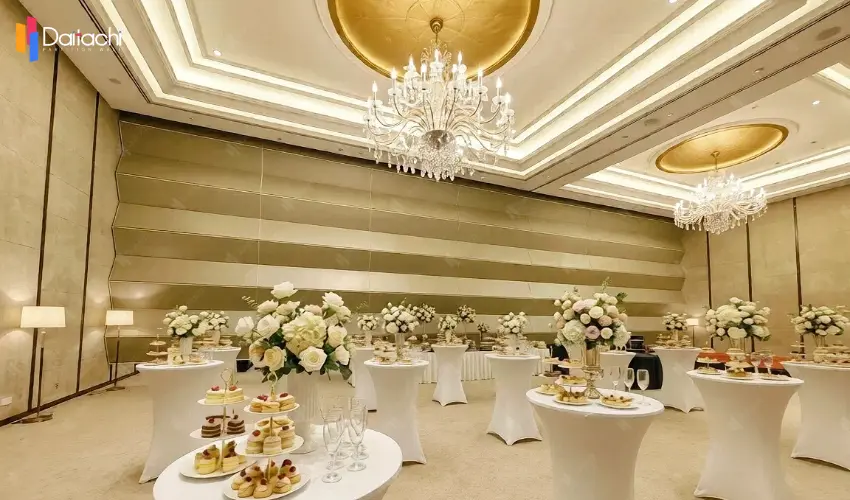
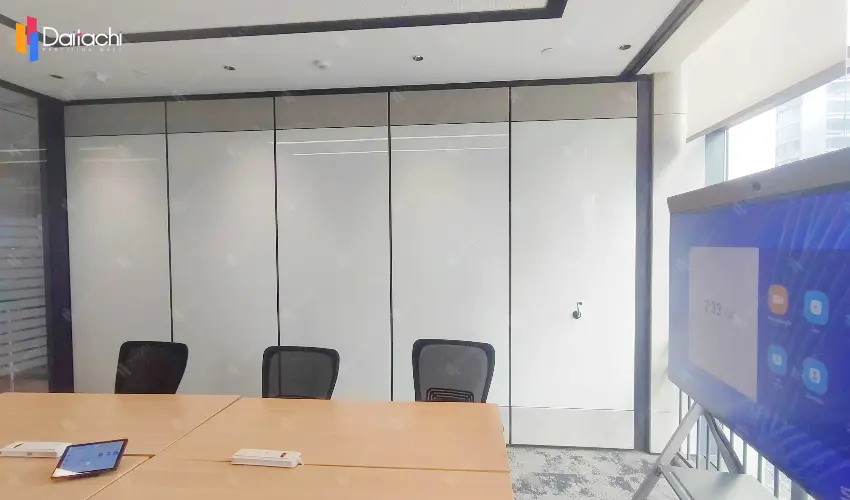
Commercial Sector: Mobile office buildings, brand showrooms, and reception centers can be flexibly reconfigured using the folding design.
Public Facilities: Visitor reception centers, restaurants, and shops can adjust their layout according to peak and off-peak season demand.
Efficient Space Utilization: When folded, the walls are compact like shipping containers, facilitating transportation and storage; when unfolded, they quickly form functional spaces, improving land utilization.
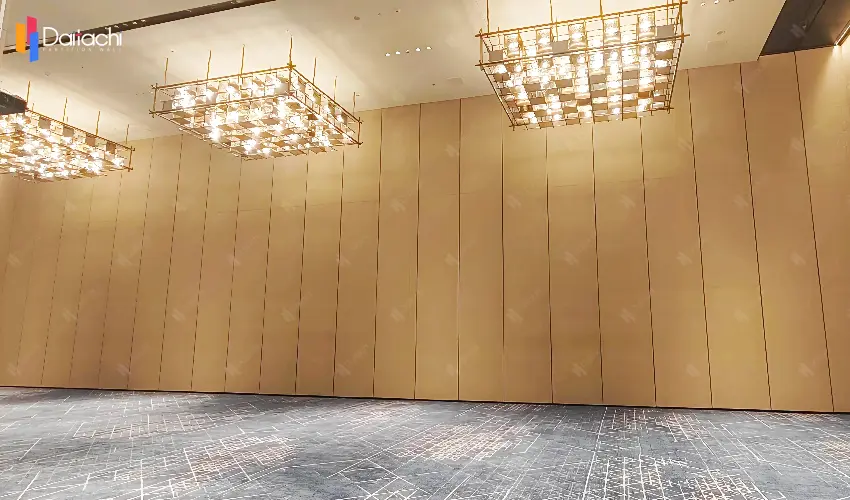
Balance of Acoustic and Visual Performance: The folding wall uses a "sandwich" composite structure, simultaneously providing structural support, sound insulation, fire resistance, and decoration, breaking through the limitations of traditional materials' single-function features.
Modular Maintenance and Upgrades: Damaged modules can be quickly replaced without affecting the overall structure; replacing the cladding panels can change the spatial style and reduce construction waste.
Environmentally Friendly Materials and Energy-Saving Design: Modular buildings prioritize the use of environmentally friendly materials and reduce energy consumption through structural optimization, improving living comfort.
Related Articles: What Are the Complete Installation Steps for a Vertical Lifting Wall?
Must Read Before Installation: Is Your Building Structure Suitable for Vertical Folding Walls?