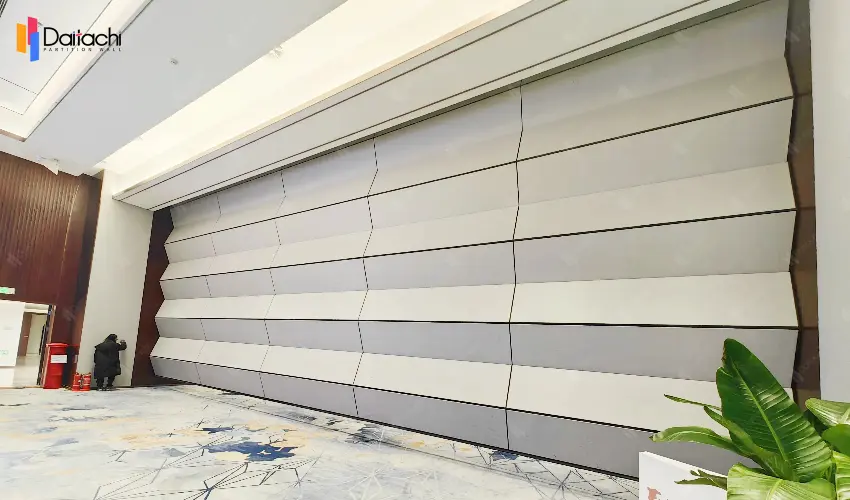
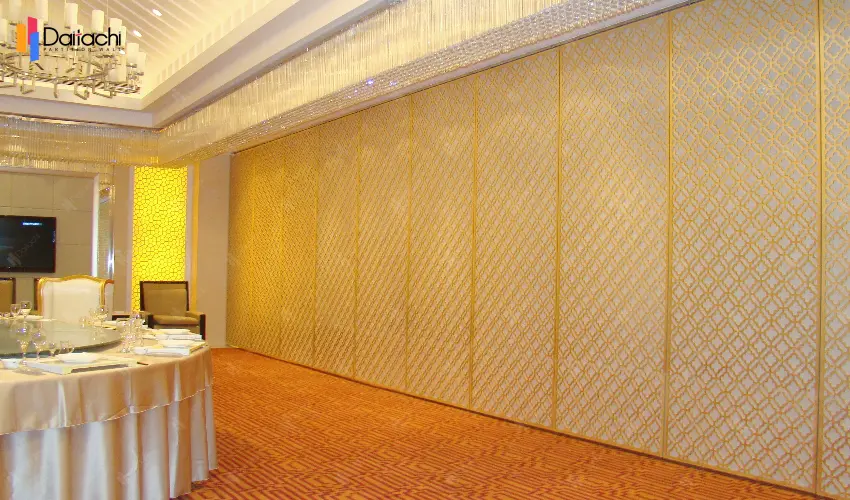
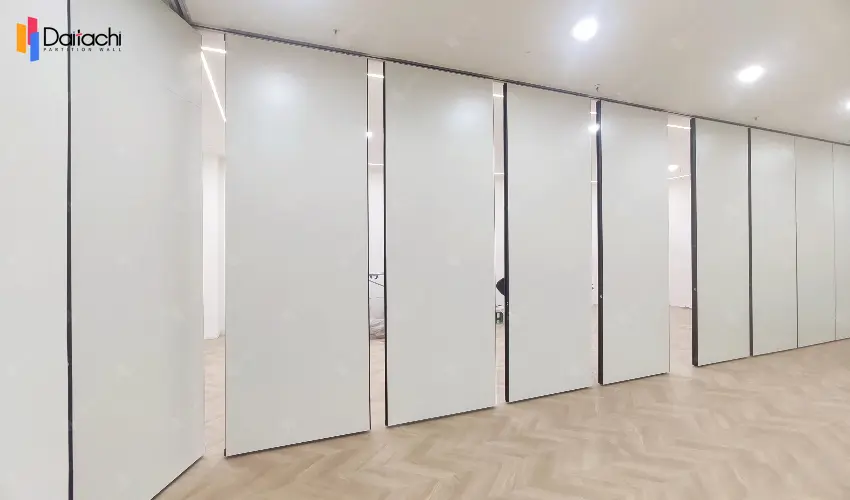
To learn about all aspects related to Vertical Folding Partition Wall, you can consult our comprehensive guide on Vertical Folding Partition Wall Hub.
Some building materials are not ideal for the retractable folding wall. To determine if they are suitable, you must take into consideration a variety of various factors, including the type of structure, conditions in the space and load bearing capacity. Also, the installation procedure, and the usage requirement:
Frame structure. frames consist of columns and beams that form the framework. Walls are serve as enclosures and partitions, and not bearing any the weight. The frame structure is ideal to install vertically folding walls since the walls can be easily installed within the frame without impacting the stability and stability of the building.
Structure shear wall structures mostly rely on the shear walls for carrying the vertical and horizontal load. Vertical folding walls installed within a structure of this kind must be considered with care, since their installation could alter the load-bearing capacity shear walls. If the walls have to be put in a shear walls design, it is suggested to choose lightweight construction materials and the way of installing them is not supposed to weaken the load-bearing capability of the shear walls.
Brick-Concrete Construction. The brick-concrete structure uses brick walls for load bearing walls that result in poor structural integrity overall as well as seismic efficiency. The installation of vertically folding walls inside these structures can have a variety of problems, because the construction and the movement of the folded walls may affect the structural stability that brick wall.
Floor height. Vertical folding walls need sufficient vertical space unfold. So, flooring heights should be determined prior to installation in order to make sure that the walls fold completely without obstacles.
Construction layout. The floor layout also influences the placement of walls that fold vertically. As an example, several columns or walls in the building could restrict the area of installation as well as flexibility of movement.
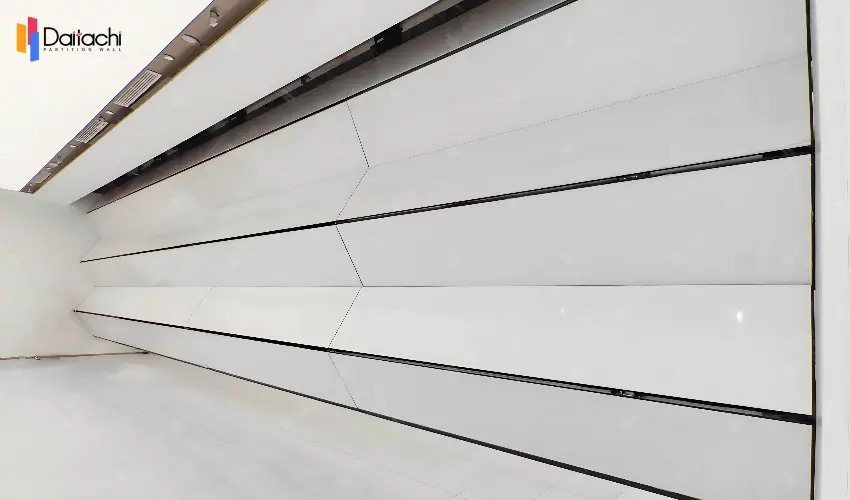
Floor load. Vertically folding walls impose loads on floor slabs when they are unfolded and retracting. So, the slab's load bearing capacity should be evaluated prior to installation in order to make sure it is able to be able to withstand the force of folds and the impacts generated from the movement.
Wall load. The capacity to bear load of walls also needs to be assessed. For instance, for partitions made of lightweight materials or non-load bearing walls should be made sure that the walls will support the weight of moving walls as well as the forces of tensile generated by moving.
Rail installation. Vertical folding walls are generally constructed and transported using rails. This means that the place of installation and railing method must be identified prior to installation so that they are secure and stable as they do not interfere with different functions in the structure.
Fixing method of the vertical wall should also be analyzed. In particular expanding bolts, welding or any other methods of fixing are necessary to guarantee the stability of the wall when it is folding and retracting.
The frequency of use. The vertical wall is to be folded frequently and pulled back, strong and simple-to-maintain construction materials and designs should be chosen.
Functional requirements. The most suitable kind of vertical wall is to be chosen in accordance with the particular specifications of the structure. For instance, in situations that require the insulation of sound or fire the wall material that folds that have the same performance qualities are recommended.
If you are also in need of the vertical lift wall folding and would like to discuss it, feel free call us for a consultation. We've got a an experienced design and installation staff who are committed to providing our customers with the highest quality services and the most efficient products.
Related Articles: Analysis of Vertical Lift Partition Wall Characteristics
Quality and Safety Specifications for Vertical Lifting Wall Systems