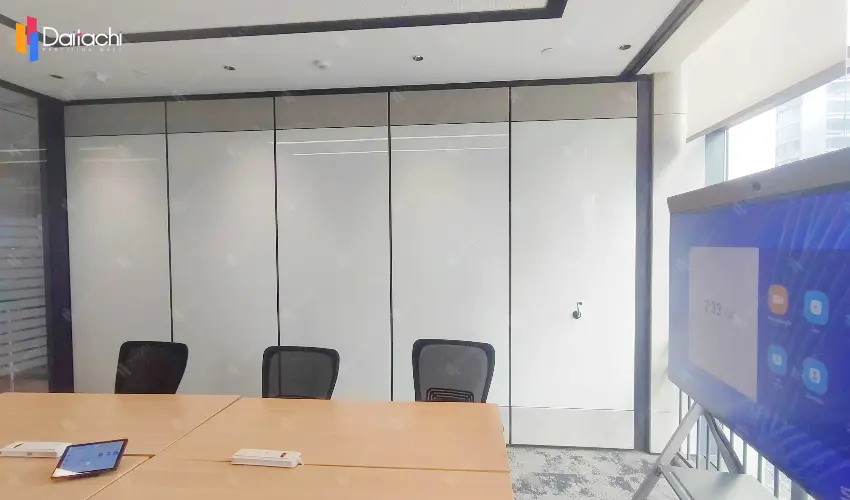
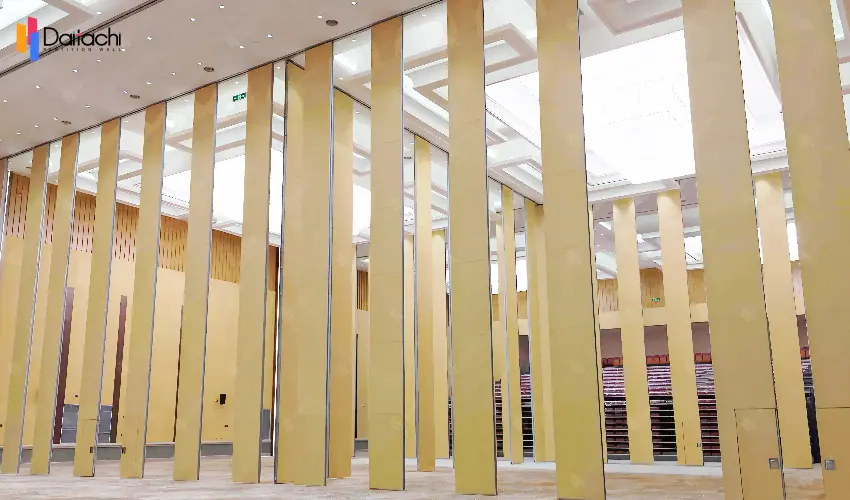
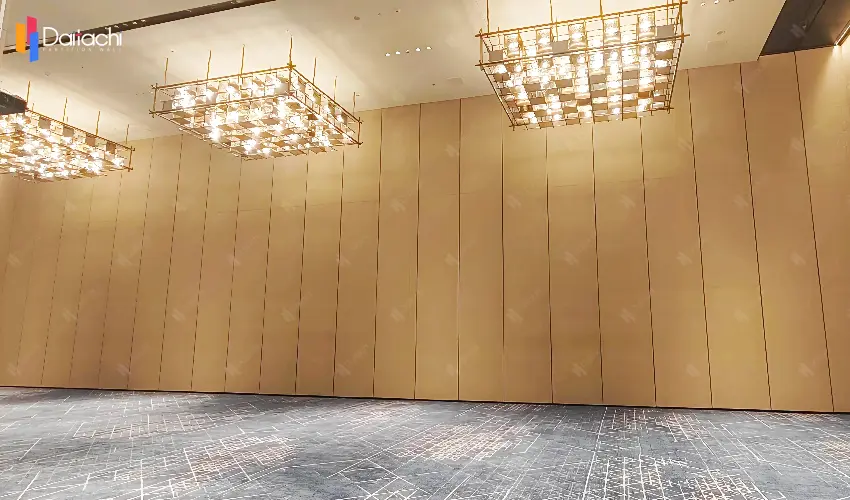
To learn about all aspects related to Movable Partition Wall, you can consult our comprehensive guide on Movable Partition Walls Hub.
Motivated by the desire for zero carbon footprint, contemporary office design is going through the transition from the "function-oriented" approach towards one that is an "ecologically symbiotic" method of design. In the context in the process of spatial transformation, moveable partition walls are revolutionizing the concept of sustainable building by bringing about material revolution as well as energy efficiency and complete lifecycle management.
Modern movable partitioning systems make use of international-certified wood frames as well as profiles made of recycled aluminum that are aircraft grade for a closed-loop system. The bio-based paint placed on the panels will not only eliminate VOC emissions, but it also generates the materials through pyrolysis, effectively achieving an "soil-to-soil" cycle.
With sophisticated design and acoustic technology Modern partition systems can achieve the highest level of sound insulation, which is greater than STC 50dB. This significantly reduces the power consumption of independently operated air conditioning systems. The concealed track system as well as smart sealing strips work to create microclimate zones making localized units that save energy in the open space.
The flexibility of movable partitions can increase the space used by 65% when fixed layouts, to 92 percent. Buildings that are new reduce wall construction material usage, ultimately maximising the use of materials. In addition, the movable partitions enable businesses to alter the configuration of their workstations according to their size. This helps avoid the waste of space due to wasted spaces.
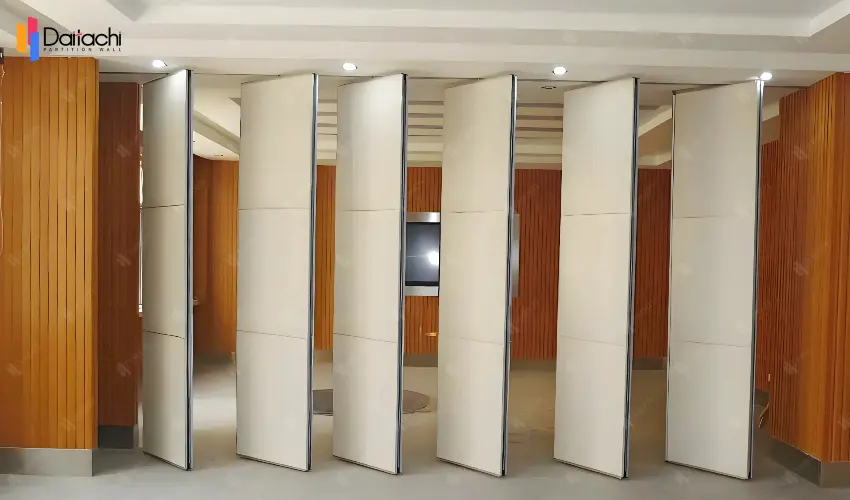
Modular design guarantees that the system can be disassembled at 80% for the partition system and its standard components may be reused in different various projects. Once the partition system has reached the point of no return in its lifespan or needs replacement because of damage to a portion or a lack of materials, they are able to be used again. The modular system significantly decreases building waste. Additionally, those replaced can be used again, resulting in a true circular economy.
The movable partitions play many functions in the building industry The antimicrobial coating they have contributes to health, providing the indoor air is sterile as well as their acoustic efficiency is directly related to the cognitive scores which effectively absorb and isolate the sound.
Flexible partition walls have transcended the simple separation of functions to create the infrastructure of space for creating zero-carbon office spaces. With the help of material innovations in energy conservation, material innovation, as well as technological advancement, today's partitioning solutions are building "breathing buildings," making every change in the spatial environment a procedure that adds value to the environment. While traditional walls are becoming obsolete this agile, expanding space solution is creating an entirely new model for eco-friendly office spaces.
Related Articles: Ultra-High Operable Partition Walls: Materials and Design Concepts
How Can We Highlight the Functionality of Movable Partitions in Our Designs?
Related Product : Type 100 Series Manual Sliding Partition Wall