To learn about all aspects related to Movable Partition Wall, you can consult our comprehensive guide on Movable Partition Walls Hub.
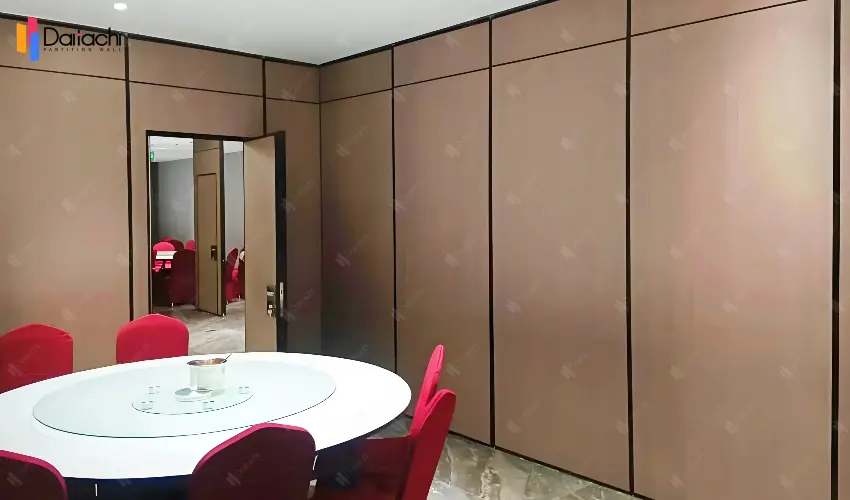
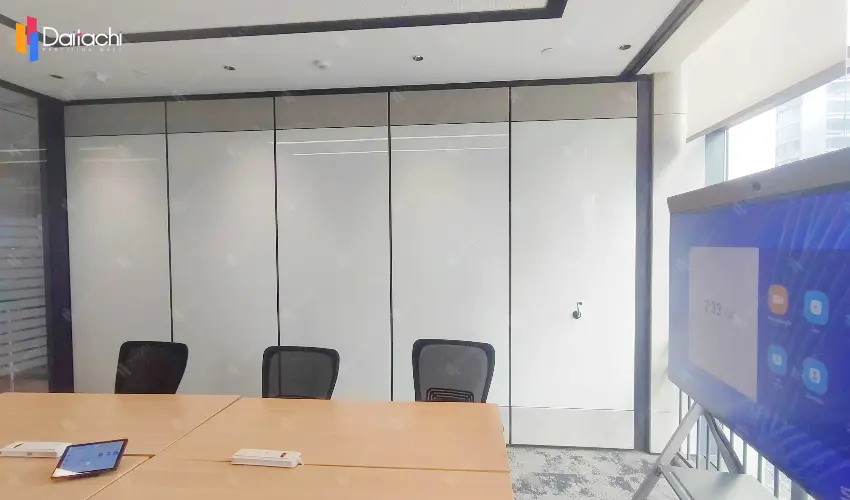
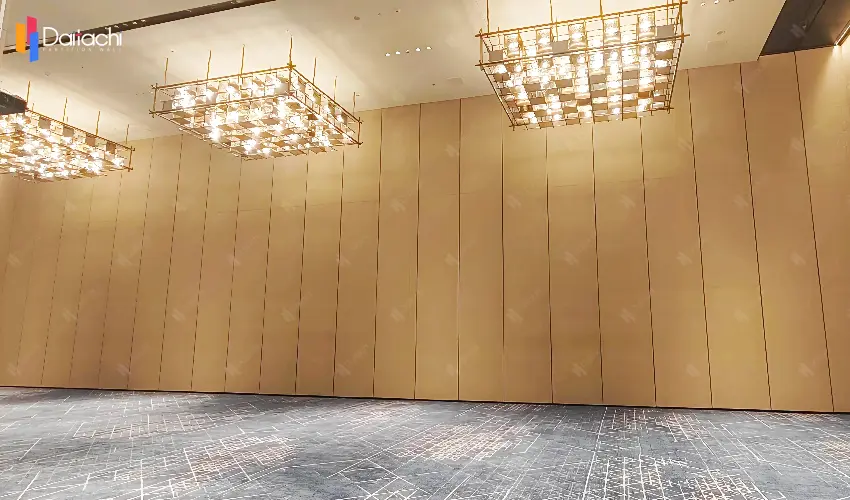
Walls that can be manually moved are a vital element in contemporary interior design to save space. They do not just allow you to split spaces as required, but they additionally combine practicality and aesthetics. The question is, what principles of science and design principles support the heft of manual sliding partition wall panels, and the flexibility of movement?
Weight of the standard manual sliding partition wall cannot be set arbitrarily however it's the result of a careful analysis and tests. Its weight is determined by its materials, size and the structure. Panel materials that are commonly utilized include aluminum frames that are lightweight and coupled with high-density sound insulation panels as well as flame-proof panels. They help reduce weight, while also ensuring structural durability.
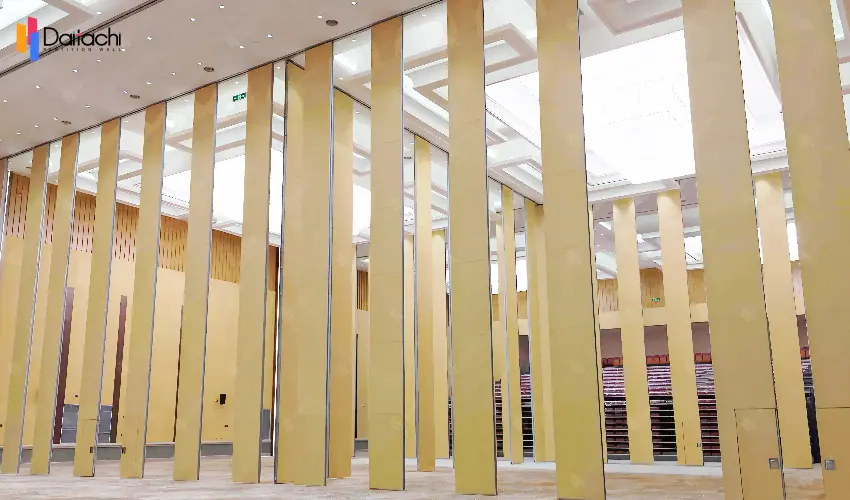
In general, a moderate-sized manual sliding partition wall (e.g. 1 meter wide and three meters in height) weighs anywhere from 70 to 120 kg. The range of weights isn't absolute because the weight of a wall panel varies according to the maker of the wall, its materials, and even design. Importantly, the designers found an ideal harmony between lightness and stability and ensure that the partition panels are not too thin to move, and neither too heavy for them for them to be able to move around easily.
The main reason for the easy movement of easily moveable partitions is their advanced track system, as well as the an efficient pulley system that together create the basis for a flexible motion.
The track system on an easily movable partition is the most important part of the mechanism for moving. It carries the mass of the partition panels and directs them in a prescribed track.
Material Choice: Tracks are usually composed of wear-resistant, high-strength alloys like galvanized steel or aluminum alloy. These alloys are not just extremely light but also have great strength and load-bearing capability.
Structural design: The cross-section of the track must be meticulously planned, generally as an I-shape or C-shape. The structure is effective in distributing the burden of partition panels, helps reduce the pressure on a particular area, and also provides steady guideline. The track's surface is precisely machined to provide a smooth and flat track surface. This minimizes friction the pulleys.
Installation: Tracks usually are securely attached to the floor or ceiling to avoid deformation or displacement in the course of movement. A few high-end tracks also come with the option of adjustable mounting, which allows an adjustment to the level of the track and its height.
Guidelines and Limits: Tracks have guide rails that ensure that the panel is moving in a straight line throughout moving, thus preventing it from straying off the tracks. Limit blocks are located on both sides of the track in order to stop the panels from moving outside the specified range, thus eliminating any potential dangers to safety.
A key element to the track the pulley makes directly connection with the track. making it less prone to friction due to rolling for smooth movement of the panel.
Material and Structure: They are usually constructed from high-strength and low-friction materials like nylon, or other special engineering plastics. They aren't just resistant to wear but also help reduce friction noise when running on the track. Pulley bearings utilize high-precision ball bearings and sliding bearings for the smoothest and most flexible motion.
Structural Design: The pulley design takes into consideration the load distribution as well as stability. Every pulley is carefully measured to make sure it will support the weight of the panel, and stay stable throughout the movement. The edges of the pulley are usually smooth or chamfered to avoid scratching the track and panel in the course of movement.
Installation and Adjustment: The pulleys will be fixed on the bottom of the panel by using welding or bolts. Certain models also permit adjustment of the position of the pulley in order to alter the horizontal or vertical orientation of the panel when it is being installed or used.
Accessory Mechanisms: In order to reduce the operational burden, certain high-end manually movable partitions come with pulleys that are auxiliary and spring-driven mechanisms. They provide an additional pushing force when moving panels and allow even more heavy panels to move effortlessly.
Additionally, more sophisticated models may use synchronous motion systems to make sure that several panels are moving in unison to avoid collisions and misalignment.
They are designed with care for capacity, weight-saving mechanisms for movement (especially the exact design of pulleys and tracks) as well as their extensive benefits in performance, manually movable partitions are now a vital element of contemporary spatial planning. They do not just improve efficiency and flexibility in space, they additionally offer a more pleasant as well as a safe and healthy indoor environment. As technology advances continue to advance and constant design innovations I think that manual moving partition walls can offer more applications in the near future.
Related Articles: Top Hoisting Vs Ground Track
Full Analysis of the Movable Partition Wall Track System
Related Product: Type 85 Manual Collapsible Partition Wall