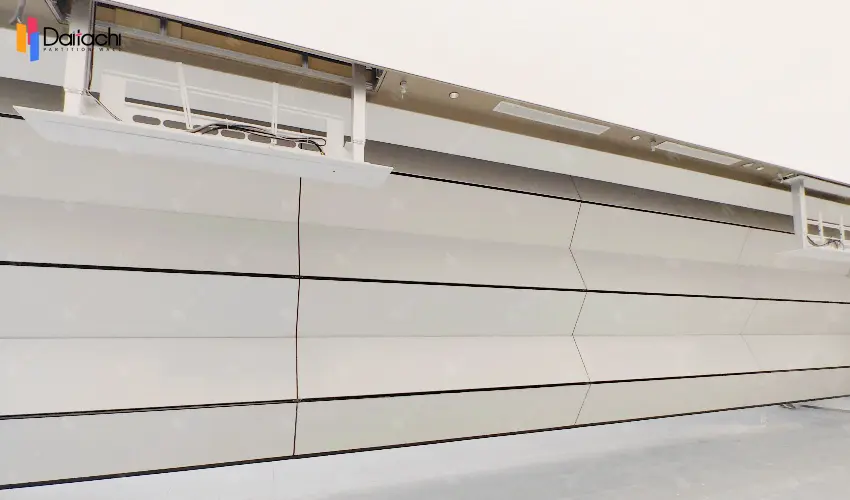
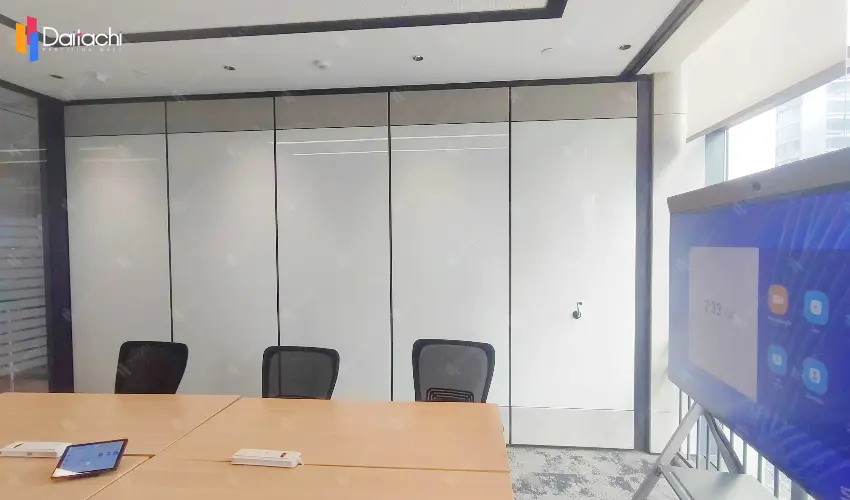
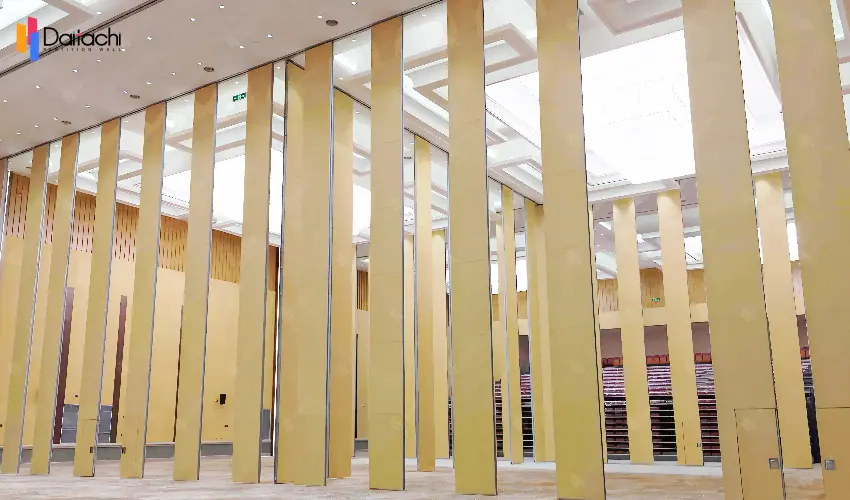
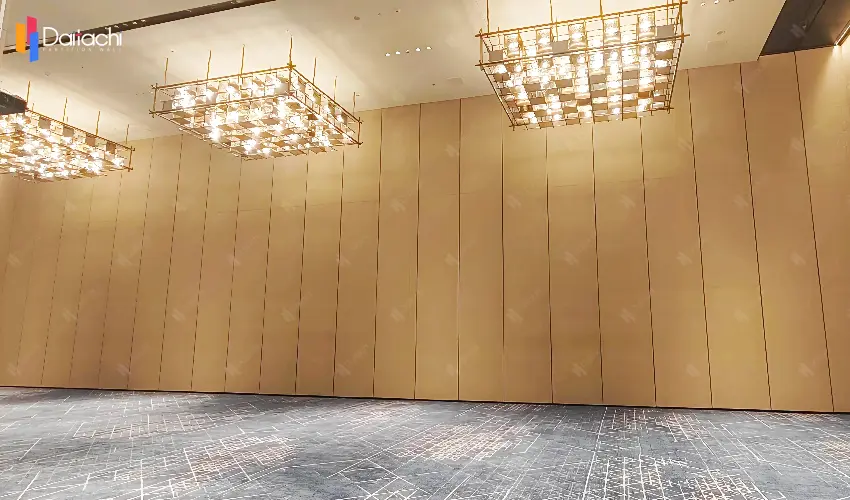
To learn about all aspects related to Vertical Folding Partition Wall, you can consult our comprehensive guide on Vertical Folding Partition Wall Hub.
To ensure reliable performance of vertical folding lifting walls, a systematic maintenance plan is essential. The following outlines practical measures across four key areas: daily cleaning, regular inspection, component replacement, and operating procedures.
Objective: Prevent dust accumulation that leads to mechanical jamming and material aging.
Track Cleaning: Clean tracks weekly with a dry soft brush. Use a vacuum with a narrow nozzle for monthly deep cleaning around pulleys and bearings. Never pour liquids into the tracks.
Panel Surface Cleaning: Wipe wood grain or metal surfaces with a slightly damp soft cloth; use diluted neutral detergent for stubborn stains and dry immediately. For fabric panels, gently vacuum monthly—avoid direct washing.
Seal Strip Maintenance: Apply silicone-based lubricant to seal edges quarterly to maintain flexibility. Repair minor cracks with special adhesive immediately.
Objective: Detect issues early before they escalate.
Monthly Inspection: Check pulleys, bearings, hinges, and latches for smooth operation and tightness. After closing panels, use a flashlight to inspect for light gaps. Test remote and button response, and monitor lifting time.
Quarterly In-depth Check: Verify track levelness (adjust if deviation >2mm), panel alignment (adjust if error >3mm), and manually rotate the motor shaft (after power off) to check resistance.
Annual Professional Service: Have suppliers inspect internal soundproofing materials, drive system circuits, sensors, and replace lubricating grease.
Objective: Replace worn parts promptly to prevent cascading failures.
Key consumables: Sealing strips (typically 2–3 years), pulleys (3–5 years). Adjust cycles based on actual usage.
Sealing Strip Replacement Example:
1. Carefully cut off the old strip with a utility knife.
2. Clean residual adhesive.
3. Apply 3M glue evenly and press firmly.
4. Keep panels closed for 24 hours for full curing.
Three “Don'ts”: Never force panels when not fully closed, strike panels with hard objects, or place obstacles in the movement path.
Electric Model Guidelines: Avoid touching panels during operation. Limit consecutive cycles to three, with at least 1-minute intervals. Disconnect power during long periods of non-use.
Emergency Handling:
Stuck: Stop immediately, check for foreign objects in tracks.
Noise: Temporarily tape gaps and schedule seal replacement.
Motor stops: Verify power; if normal, wait 10 minutes for overload reset before restarting.
Maintain an electronic log of inspection dates, replaced parts, and faults. Analyze trends to optimize schedules. Consistent implementation can reduce failure rates by over 40%, extend seal life by 1.5 times, and significantly lower user complaints.
By following this systematic approach, vertical lifting walls can maintain excellent performance for up to 10 years while reducing long-term costs. Incorporate these practices into staff training for best results.
Related Articles: Signs That Your Vertical Lifting Wall Needs Maintenance
From Installation to Maintenance: A Lifecycle Guide to Vertical Folding Wall Panels (Part 1)