To learn about all aspects related to Movable Partition Wall, you can consult our comprehensive guide on Movable Partition Walls Hub.
Movable partition walls, featured in diverse design styles and flexible structural elements, serve as a practical and aesthetic interior solution to optimize spatial perception. Unlike fixed solid walls that constrain space, well-designed movable partitions can visually stretch indoor dimensions, eliminate cramped sensations, and create a brighter, more open and airy spatial atmosphere. Below are the core design principles and effective methods for movable partitions to enlarge visual space.
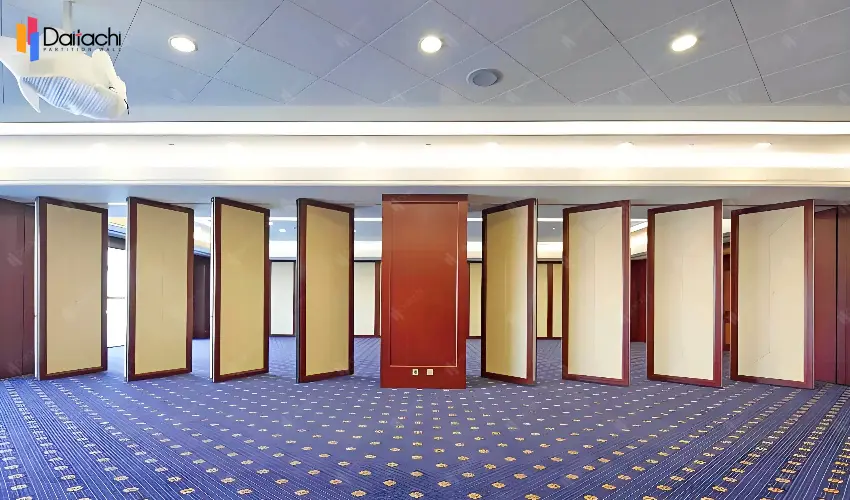
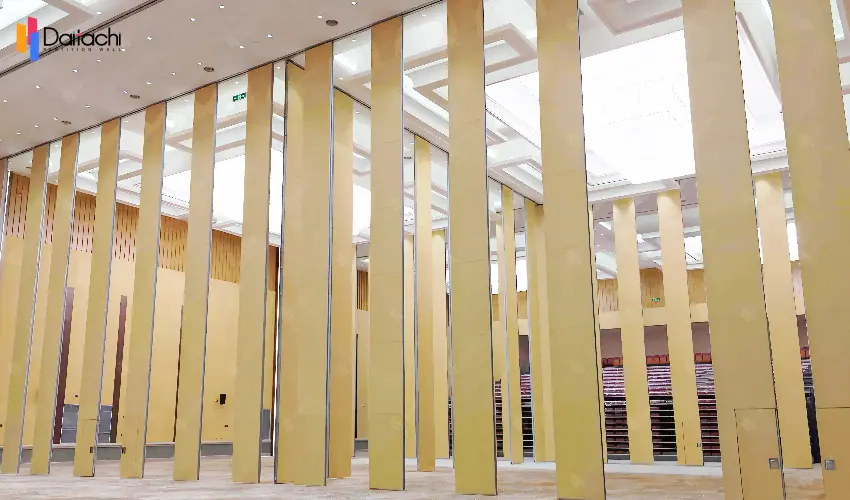
Traditional solid partition walls easily create a closed, confined visual effect and block natural light transmission. In contrast, modern movable partitions prioritize permeable and semi-permeable materials, including light-transparent fabrics, transparent panels and perforated hollow boards. These premium materials allow natural light and horizontal sightlines to penetrate freely throughout the space. They fulfill basic spatial division needs without forming rigid visual barriers, effectively weakening the sense of segmentation and greatly enhancing the overall openness of the indoor environment.
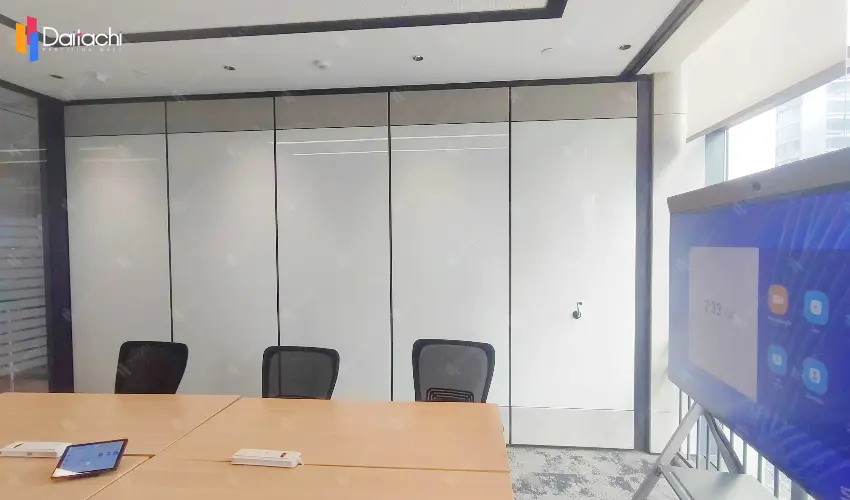
The color tone and surface texture of partitions are key factors affecting spatial integrity. Movable partitions adopt an integrated design logic that blends with the overall interior decoration style. By selecting colors and textures consistent with walls, floors and furniture, the partitions can seamlessly integrate into the overall space, avoiding abrupt visual segmentation and maintaining unified spatial aesthetics.
In addition, matching mirror panels and high-gloss decorative materials is a clever design technique. The light reflection effect of these materials can extend the line of sight, enrich spatial layers, and endow the indoor area with stronger depth and breadth, realizing the visual effect of space enlargement.
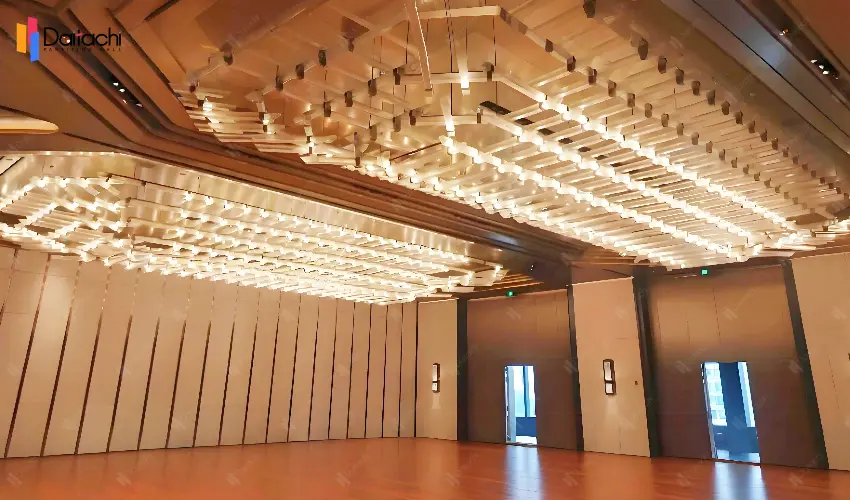
Rigid fixed walls split the indoor space into independent closed areas, resulting in single space functions and poor flexibility. Movable partitions feature flexible and changeable structural performance, supporting free adjustment of position, folding and splicing forms. Users can push, pull, fold or displace the partitions according to actual usage needs, either dividing independent functional areas or unfolding a full open large space.
This flexible partitioning mode abandons rigid and fixed spatial boundaries, keeps the indoor layout fluid and coherent at all times, maximizes the utilization of limited space, and avoids the dull and crowded feeling caused by fixed partition segmentation.
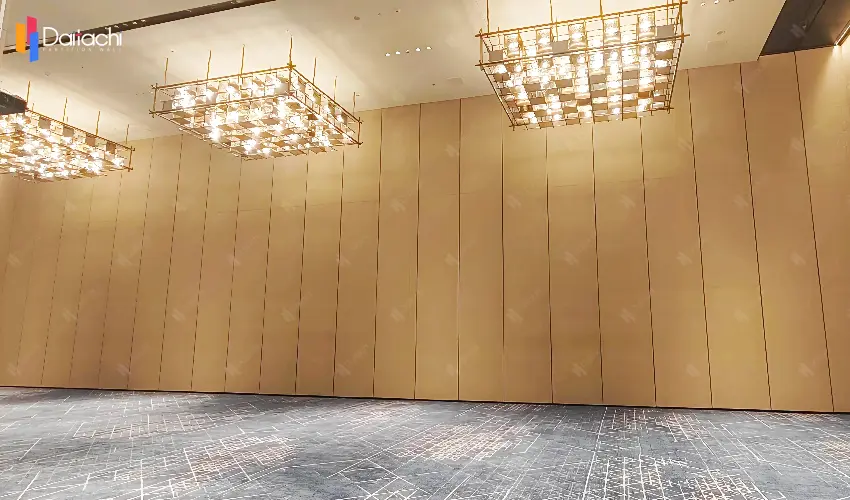
Excellent movable partition design focuses on the unity and echo of overall spatial details. By adopting consistent decorative patterns, texture techniques and design elements matching the indoor space, the partitions can connect different functional areas organically. This design technique breaks the fragmented visual sense of independent areas, integrates scattered spatial units into a whole, forms a coherent and smooth visual effect, and virtually expands the overall spatial vision.
Light is the core element of visual space expansion. Movable partition walls can be customized with light transmission holes, grooved light structures and reflective material surfaces according to the indoor lighting layout. Such structural design can reasonably guide, disperse and diffuse natural light and artificial light, make the light spread evenly in every corner of the space, eliminate dark dead corners, and greatly improve indoor brightness and airiness.
A bright and uniform light environment can effectively weaken the sense of spatial confinement, make the whole space look more spacious and comfortable, and bring a relaxed and pleasant spatial experience.
In short, movable partition walls rely on permeable material design, harmonious color and texture matching, flexible adjustable structure, continuous visual design and professional light guidance. They perfectly solve the spatial congestion and fragmentation problems caused by traditional fixed partitions, visually expanding indoor space, improving overall airiness and brightness, and creating a more open, fluid and comfortable modern interior space.
Related Articles: Veneer Treatments and Their Effects
Modular Partitions: Experts in Flexible and Versatile Space Division
Related Product : Type 100 Series Manual Sliding Partition Wall