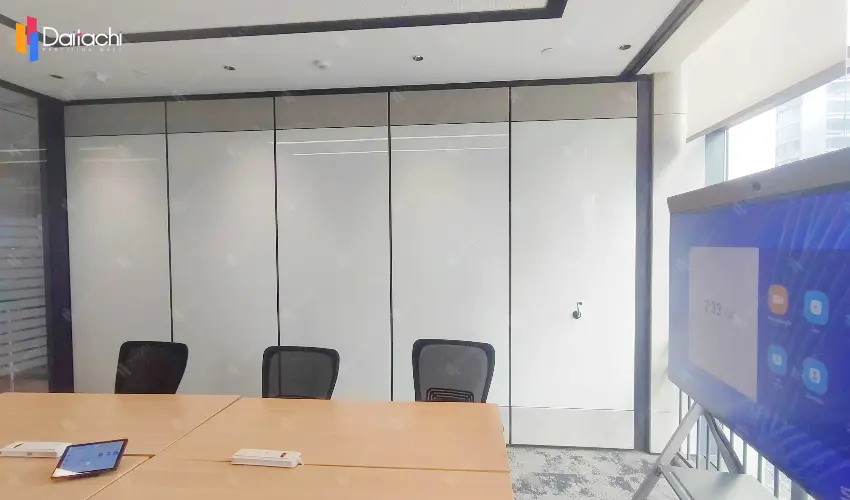
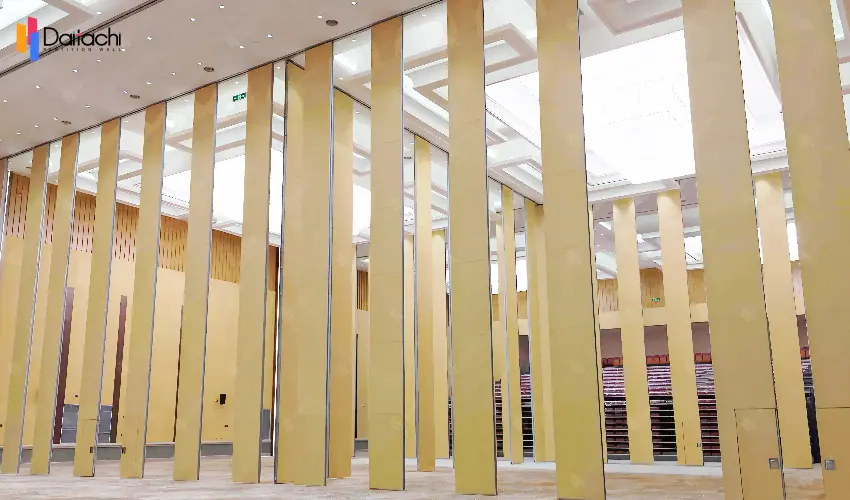
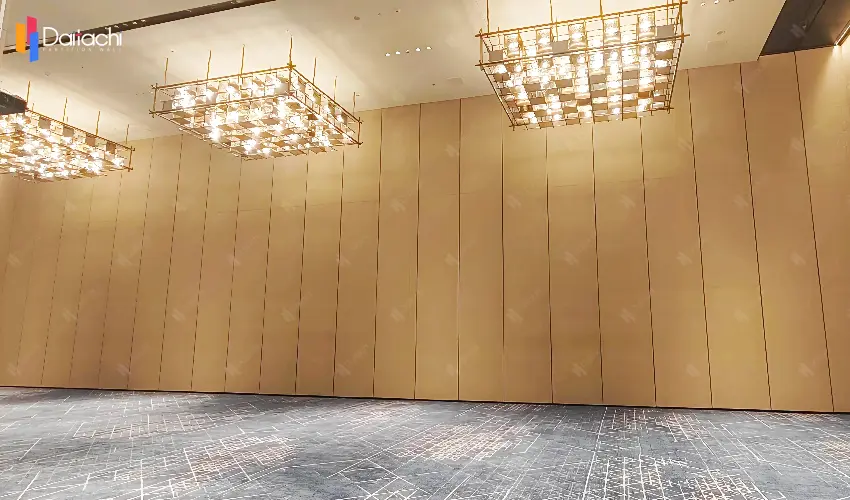
To learn about all aspects related to Movable Partition Wall, you can consult our comprehensive guide on Movable Partition Walls Hub.
Whether a permit is required for installing a partition wall depends on the specific circumstances, including the building type, partition size, whether structural modifications are involved, and local regulations. Here are some key considerations and general recommendations:
Non-Residential Buildings: If you are installing a partition wall in a commercial building, public building (such as an office building or shopping mall), or industrial plant, a construction permit is generally required, especially if the total investment or floor area exceeds local restrictions. For example, some regions require a permit for non-residential renovation projects with a total investment of RMB 300,000 or more or a total floor area of 300 square meters or more.
Structural Modifications or Safety Impacts: If installing a partition wall requires altering the building's load-bearing structure (such as removing a load-bearing wall or reinforcing beams and columns), a structural safety permit is required. If the partition wall affects fire protection facilities (for example, by blocking escape routes or obstructing sprinkler systems), a fire safety inspection is required.
Restrictions on Specific Housing Types: Public Buildings/Affordable Housing: Unauthorized installation of partitions may violate use regulations and require prior approval from the management department; Historic Buildings: Any alterations require approval from the cultural relics department.
Lightweight Partitions in Residential Buildings: The installation of non-load-bearing partitions (such as light steel-framed gypsum board walls) in private residences generally does not require a permit, as long as it does not alter the structure, use, or affect fire safety.
However, please note: Public spaces (such as corridors and service rooms) must not be occupied, and property management regulations (such as renovation schedules and noise control) must be adhered to.
Minor Project Exemptions: Some regions exempt minor projects from construction permits, such as renovations with an investment of less than 300,000 yuan or a construction area of less than 300 square meters. These projects also include minor renovations that do not alter the layout of the space (such as wall modifications or door and window replacements).
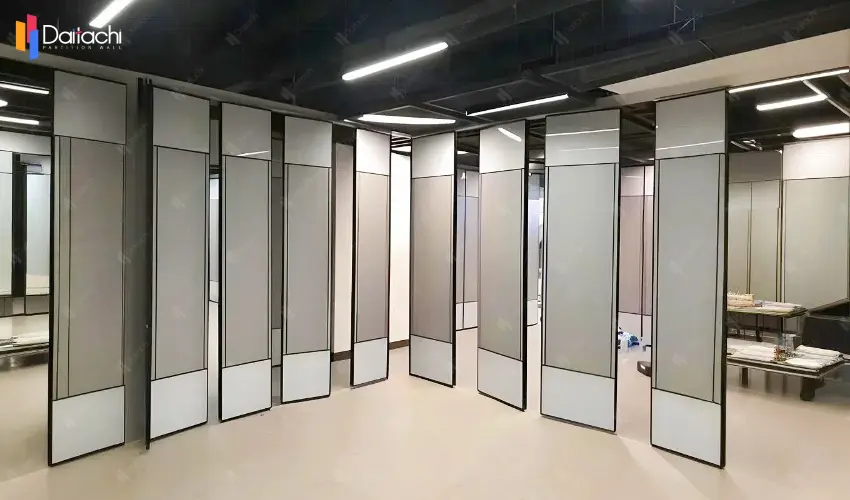
Consult Local Government: Contact the local Housing and Urban-Rural Development Department or government service center to confirm whether a construction permit, fire inspection, or planning approval is required. Check property management regulations for renovation restrictions (such as partition material, height, and location).
Prepare necessary documents: Permit applications typically require construction drawings (including partition wall location, material, and structural description); contractor qualifications (such as business licenses and construction permits); structural safety assessment reports (if load-bearing modifications are required); and fire protection design documents (such as evacuation route maps).
Choose compliant materials and contractors: Use partition materials that meet fire and sound insulation standards (such as Class A non-combustible panels). Hire a qualified renovation company or construction team to avoid rework or penalties due to non-compliant construction.
Comply with construction regulations: Ensure partition walls are securely installed to avoid the risk of tilting or collapse; provide access hatches (if plumbing is required) for easy maintenance; and protect completed walls during construction (for example, by covering the ground and protecting adjacent walls).
Related Articles: Manual Movable Partition Wall Installation Steps and Precautions
How to Design a Partition Wall at a 45-Degree Angle?
If a Panel Is Damaged, Can It Be Replaced Individually?
Related Product: Movable Partition Wall Product