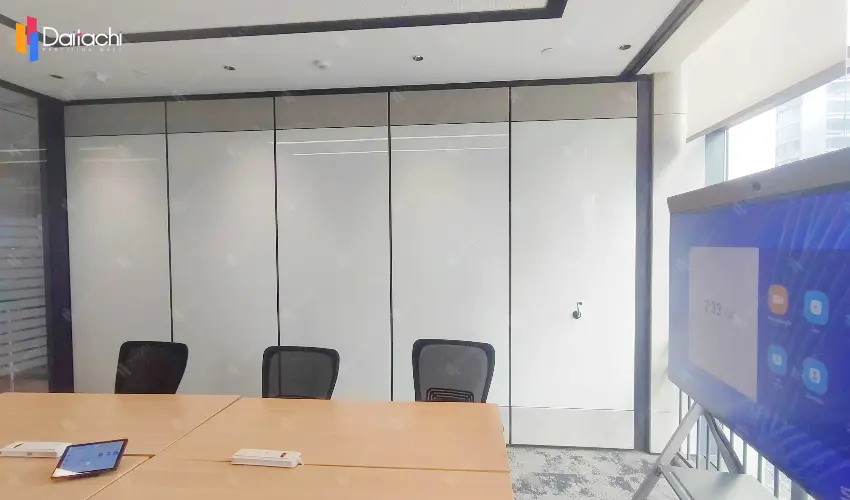
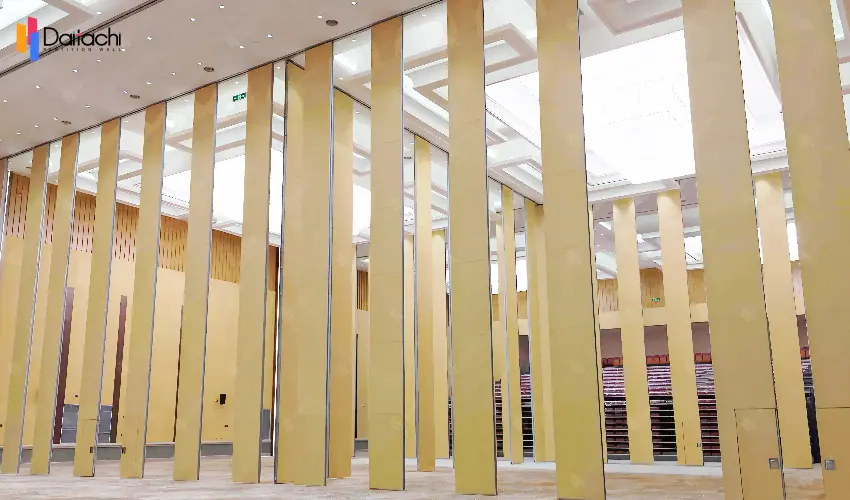
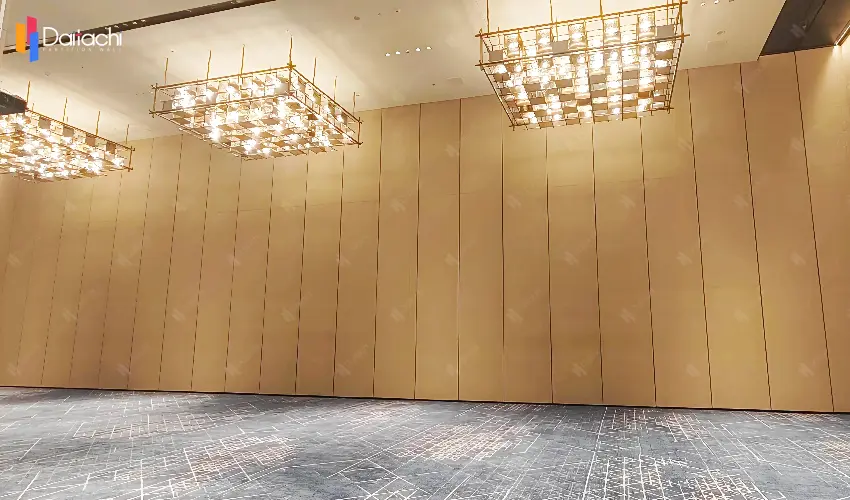
To learn about all aspects related to Movable Partition Walls , you can consult our comprehensive guide on Movable Partition Walls Hub.
In the area of moving partition walls, each link in the process technology has an impact on the end longevity of the item. By using high-quality galvanized steel plates as well as aluminum alloys being the primary components, precision of millimeters is achieved through CNC processing in order to construct the foundation for product longevity. The results of experiments show that the surface flatness of partition boards made using laser cutting is about 40 percent higher than the stamping method that is traditional that effectively decreases tension concentration that occurs during the installation.
Technology for anodizing
The film of oxide is created over the aluminum alloy by electrochemical oxidation. This process is thirty times more effective than conventional spraying. This honeycomb-like structure will be used to not only stop erosion caused by negative ions but can also enhance the resistance to corrosion, wear resistance, and insulation as well as provide the surface with a self-repairing capability. Additionally it can be colored, resulting in beautiful colors as well as good aesthetics.
Spraying of powder
The electrostatic spraying technique is utilized. It's a closed or semi-closed space or enclosure made specifically for electrostatic spraying. It is extremely difficult to store powder. It has a adequate mechanical ventilation, and does not allow powder to escape, and comes with an equipment for recovery. When spraying it is necessary to follow a prescribed route and perform the operation in a manner that is reasonable. Slurry may be coated evenly over the surface to be coated. This will make the surface of the layer more smooth, increasing the efficiency of construction, thereby cutting down on time and effort.
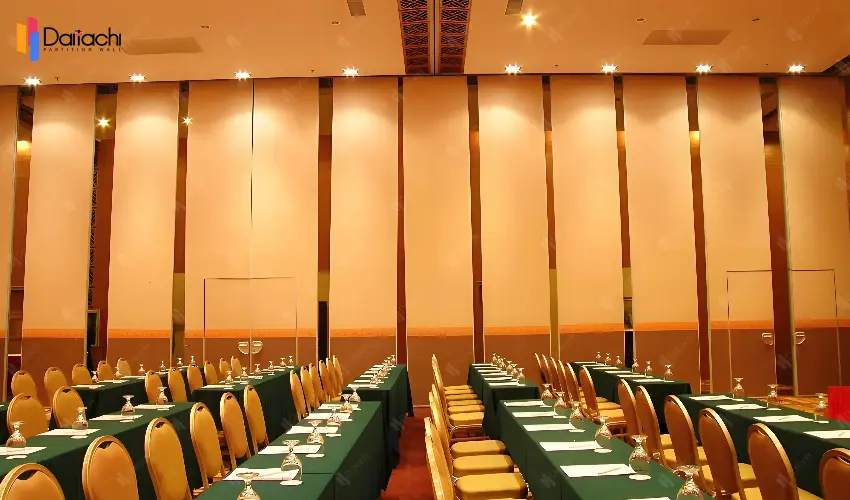
Technology for welding with lasers
Laser cladding welding utilizing metal powders or wire-like fillers are suitable to repair wear, corrosion protection cladding as well as fabrication of 3D-printed parts. The precise positioning of welding occurs by using fiber lasers so that weld strength is an average of 85% for the parent material. In comparison to traditional argon arc welding, the size of the zone that is affected by heat decreases significantly as well as the stress residual is diminished by 70 percent. The results of studies have demonstrated that this method can increase the load ability of partition walls by 200kg/㎡.
Engineering precision of the system of track
A C-shaped track made of stainless steel along with the nylon rollers are combined. Following 100,000 test pulls and a track's deformation, it is very small. A specially designed double row ball structure lowers value of the friction coefficient down to 0.1 as well as, with the automated lubrication system it guarantees that there's no need to repair components within the thirty-year duration of service.
The value jump brought through process innovations
With the help of breakthroughs in materials technology and advancements in manufacturing techniques, contemporary wall partitions that move have completed their transformation from being functional to long-lasting resources. If each link in the processing process reaches the 0.01mm precision standard, or when the amount of layers for surface treatment exceeds 8 layers, and the tests cover various chemical and physical indicators that is bound to break the established cognitive boundaries.
Related Articles: The Impact of Material Selection on Service Life
Frame Material Determines Service Life: Aluminum Alloy VS Steel Partition Wall Horizontal Evaluation
Related Product: Type 105 Series Manual Temporary Partition Wall