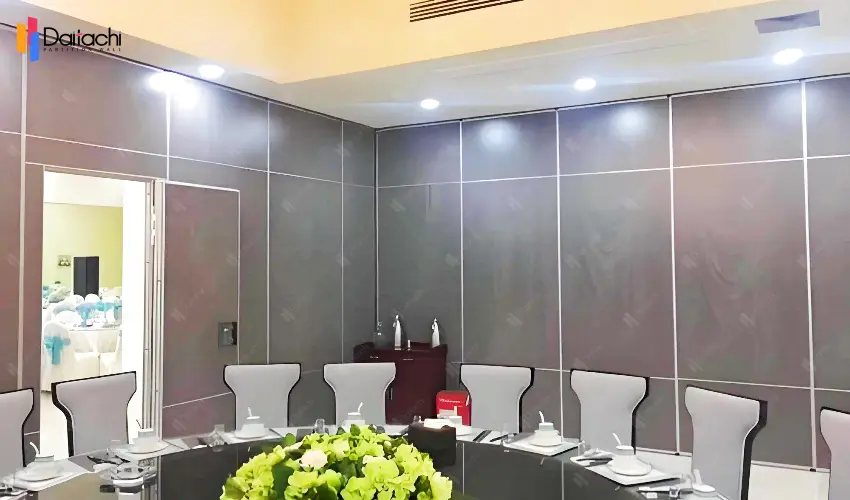
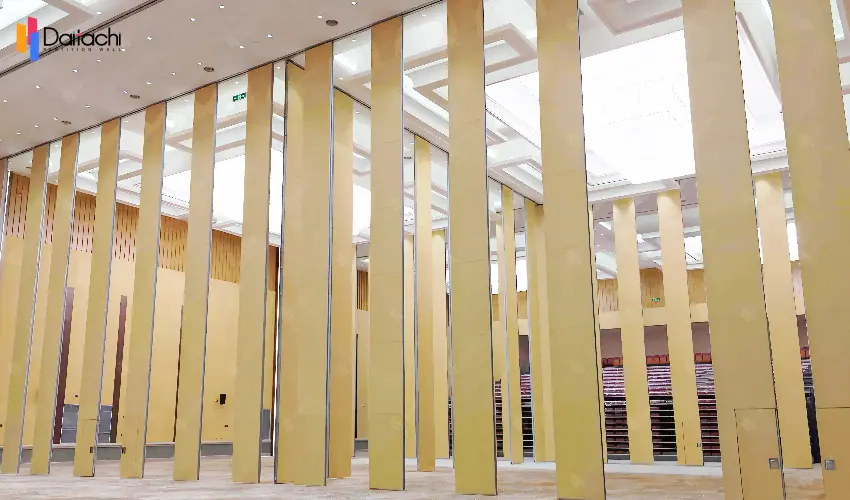
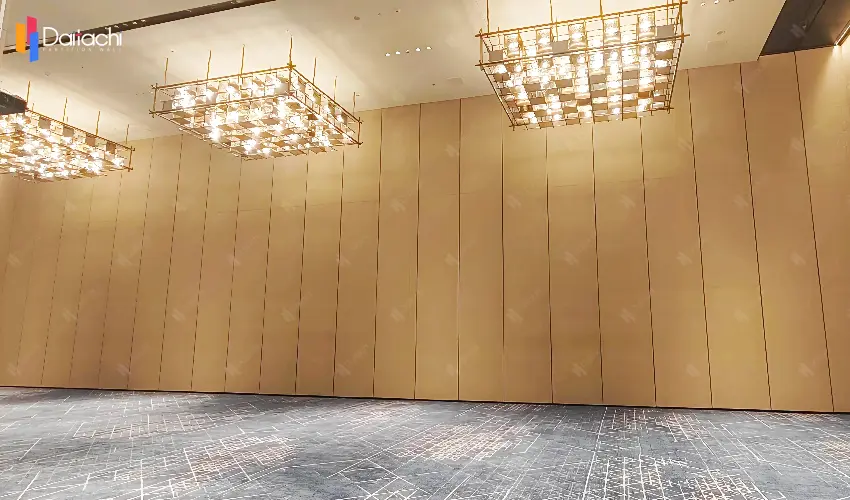
To learn about all aspects related to Movable Partition Wall, you can consult our comprehensive guide on Movable Partition Walls Hub.
Removal of paint that is not needed to maintain the beauty of the finish.
The way it works How it works: During painting paint drips onto unpainted surfaces (such as flooring and connectors). It is essential to clean the area promptly in order to stop corrosion and visual loss.
The specific impacts are: It is difficult to get rid of from the drying process, and could cause damage to the other parts of the structure or functionality.
Method of cleaning
Stage of wet film: Wipe dry paint using a solvent.
Stage for dry film: Sand using Sandpaper or an exclusive remover.
Regularly scheduled maintenance prolongs the life of your coating.
What happens: In time, the layer could peel off because of chemical damage, environmental corrosion or the aging process. Cleaning and regular inspection of areas that are damaged is essential.
The specific impacts are:
Localized flakes: Steel that is exposed can rust easily and reduces fire resistance overall.
The maintenance measures
Regular inspections: Apply tapping or an Infrared thermometers to check the integrity of your coating.
Local repairs Cleaning and sanding the area of damage prior to repainting.
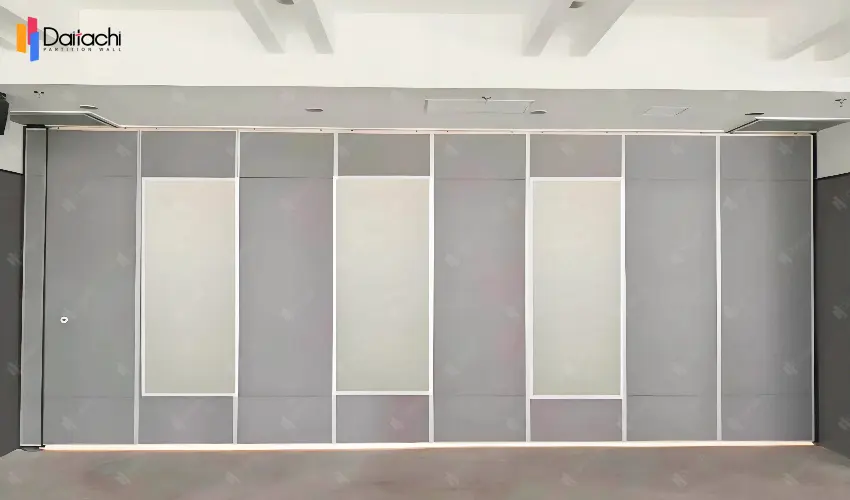
Ensuring Uniform Thickness of the Fireproofing Layer
Mechanism: Cleaning the surface guarantees uniform coating coverage to prevent impurities causing an excessive or insufficient coating.
Standard Requirements: In accordance with the "Fireproofing Coatings for Steel Structures," the thickness of coatings made from thin films should be at least 3mm. The thickness of coatings made from thick film should exceed 15mm, and have the tolerance being no greater than +10 percent.
Maintaining Fireproofing and Heat Insulation
The mechanism: Cleaning the surface makes sure that there is a an even distribution of the fireproofing ingredients (such as intumescent fire retardants) within the coating, creating a thick carbonized layer with a very high temperatures which blocks the heat transfer.
Experiment Data: Surfaces that are not cleaned may result in a 30 percentage decrease in the thickness of carbonized layers and 20% decrease in fireproofing efficiency.
Reducing Construction Risks
Mechanism: A surface that is clean stops paint from sliding or splashing. This reduces the chance of employees being exposed to dangerous substance.
Specific Measures:
Use protective equipment like dust masks, goggles, gloves and so on.
Notice Signs of Warn: Place "Do Not Enter" signs within the area that has been cleaned to ensure that cross-contamination is not occurring. Environmentally Friendly
How to Work: Any waste that is generated by cleaning (such as old and rusty coatings) should be separated and removed to prevent soil and water pollution.
Treatment Method:
Metal waste is recycled into a scrap-steel process plant.
Chemical waste: Get rid by an expert organization to ensure that it is treated in a safe manner.
Related Articles: What Is the Role of Surface Cleaning for Fire-retardant Coatings on Steel Structures (part 1)?
What Determines the Frequency and Duration of Cleaning?