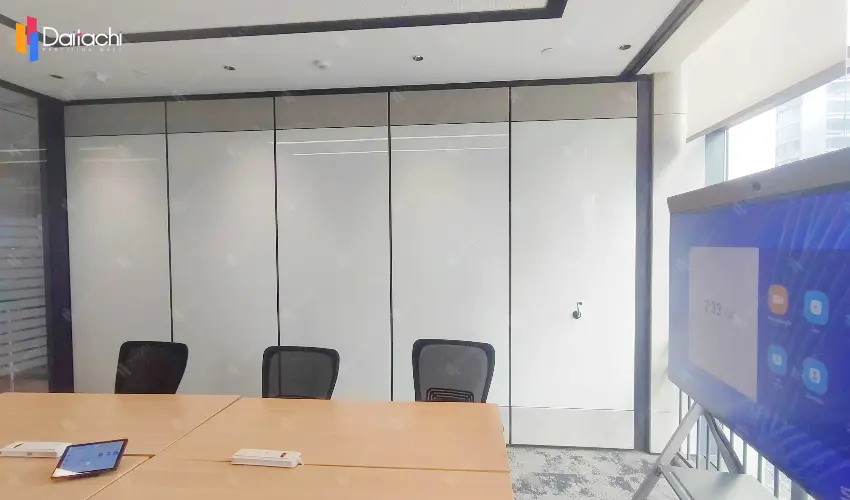
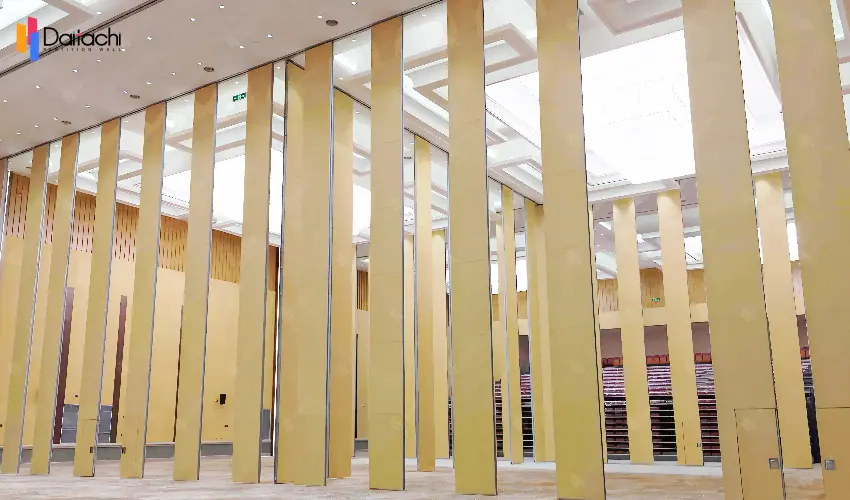
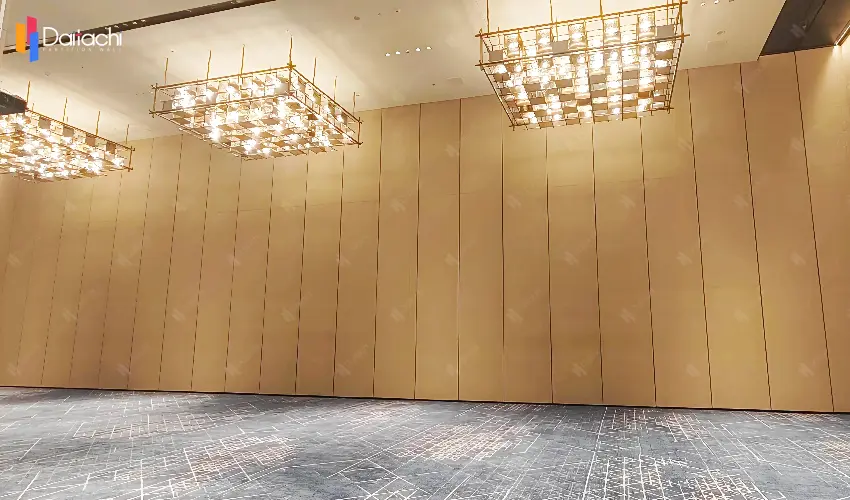
To learn about all aspects related to Movable Partition Wall, you can consult our comprehensive guide on Movable Partition Walls Hub.
The cleaning frequency and schedule for fire-retardant coatings on steel structures depend primarily on the corrosivity of the environment, coating type, and application scenario. A detailed analysis is provided below.
Highly Corrosive Environments (e.g., chemical plants, furnaces)
Recommended Frequency: Clean at least twice per year, with an additional cleaning before the wet season.
Corrosive gases and dust accelerate coating aging and reduce adhesion. In such conditions, coatings may fail within 1–2 years, compared to over 10 years in neutral environments.
Moderately Corrosive Environments (e.g., coastal areas, humid warehouses)
Recommended Frequency: Clean every two years.
Salt and moisture can penetrate the coating and corrode the steel substrate. Steel structures in coastal regions often require recoating every 5–6 years.
Mildly Corrosive or Non-Corrosive Environments (e.g., dry indoor rooms, ordinary office buildings)
Recommended Frequency: Clean every 5–10 years, or only when coating damage is observed.
With minimal environmental impact, the coating can maintain excellent performance for over 10 years.
Indoor Concealed Steel Structures (e.g., building cores in high-rises)
Cleaning Duration: Short – typically limited to removing construction residues such as welding dust and slag.
The enclosed environment minimizes exposure to corrosive elements, ensuring long-term coating stability.
Outdoor Exposed Steel Structures (e.g., bridges, stadium stands)
Cleaning Duration: Longer and more comprehensive, including removal of oil, rust, and full coating repairs.
Exposure to UV rays, rain, and temperature fluctuations causes faster degradation, often requiring recoating after cleaning.
High Humidity / High Temperature Areas (e.g., boiler rooms, swimming pools)
Cleaning Duration: Moderate, with special attention to mold and condensation.
High humidity reduces coating adhesion, necessitating enhanced protection after cleaning.
Thick Fire-Retardant Coatings (thickness 7–50 mm)
Recommended Frequency: Low – inspect every 5–10 years.
These inorganic coatings are highly durable but have rough surfaces that easily accumulate dust, requiring periodic cleaning to maintain fire resistance.
Thin / Ultra-Thin Fire-Retardant Coatings (thickness 3–7 mm / ≤3 mm)
Recommended Frequency: High – inspect every 2–3 years.
Organic-based coatings are more prone to aging and require regular surface maintenance and recoating.
Intumescent Fire-Retardant Coatings
Recommended Frequency: Medium – inspect every 3–5 years.
The effectiveness of the intumescent agent gradually declines over time, requiring removal of degraded layers and reapplication.
Related Articles: How Do Movable Partition Walls Visually Enlarge Space?
What Is the Role of Surface Cleaning for Fire-retardant Coatings on Steel Structures (Part 1)?