To learn about all aspects related to Vertical Folding Partition Wall Hub, you can consult our comprehensive guide on Vertical Folding Partition Wall Hub.
A unique architectural construction vertical lifting walls offer important advantages when it comes to practical flexibility, space usage as well as construction efficiency, security performance, conservation of energy and environmental protection. The advantages of vertical lifting walls are reflected by the following factors:
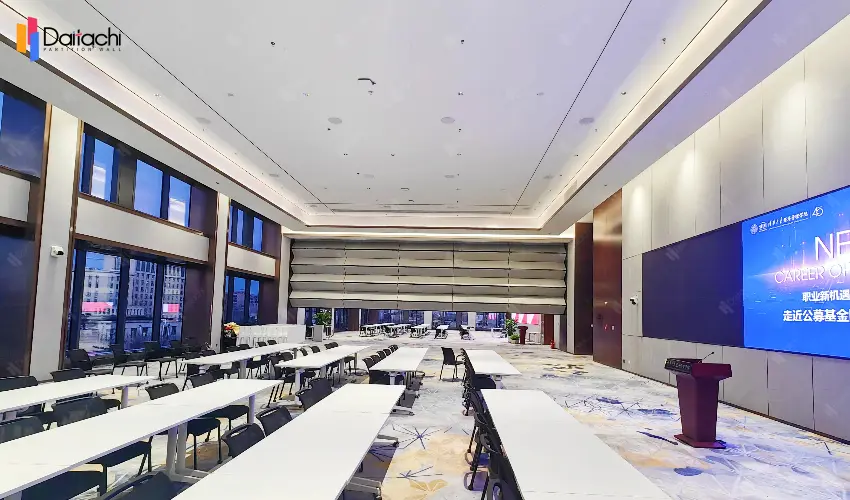
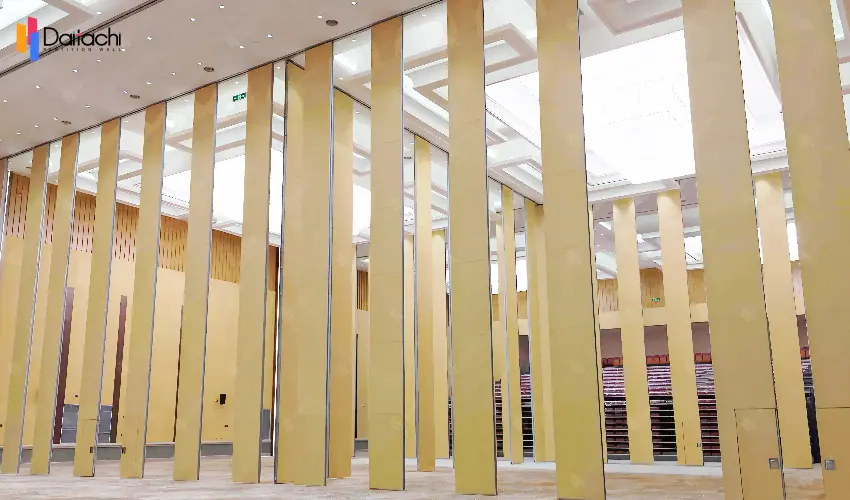
Vertical Space Expanding: Vertical wall lifts allow for dynamic adjustments of heights through both upward and downward movements breaking down the limits of the fixed floor levels for traditional structures. In commercial buildings wall are able to be elevated throughout the day, thereby increasing the height of the atrium, which creates an expansive shopping area while at night, walls can be lower to separate the space, creating separate functional zones in order to accommodate the requirements for different hours of the night.
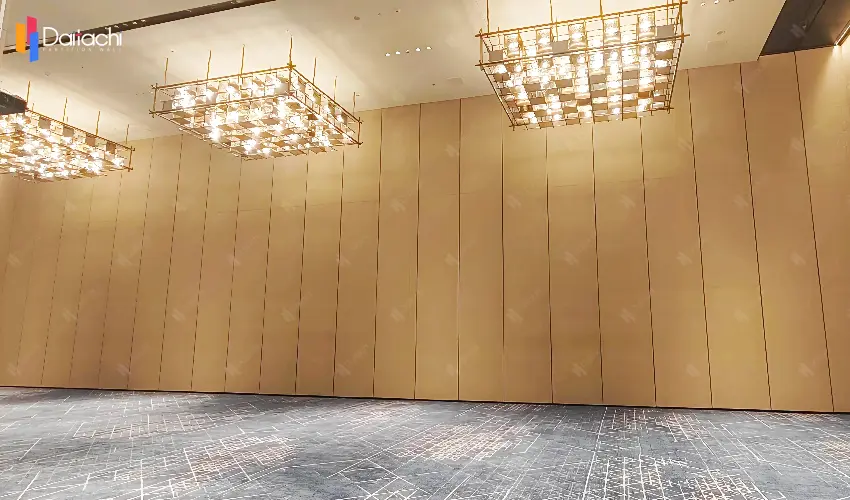
Optimized Functional: Layout It is possible to maximize the use of land vertical walls allow you to be able to achieve "multiple uses of one space." An open area could be split into two areas in relatively short period of time, making different use of spaces as well as greatly increasing the efficacy of using land.
Quick Space Reconfiguration: Vertical lift walls are constructed with a modular structure that allows for quick adjustment in space layout based on the requirements. In particular, for spaces for exhibitions the arrangement and separation of the walls that lift can be used to divide conferences areas or other activity spaces, to meet the demands for exhibitions with different sizes.
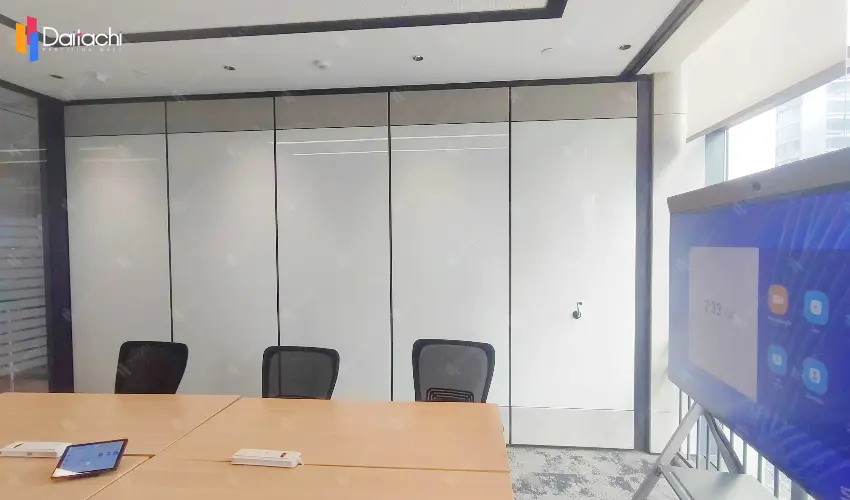
Multi-scenario Compatibility: The structure of it is able to incorporate functions like noise insulation, fire protection and resistance to moisture which makes it ideal for a range of situations, such as homes, offices commercial structures, residential buildings and industrial establishments. When it comes to shopping malls the walls that lift can be utilized as partitions for flexibility in the conversion of display areas as well as commercial spaces; and In industrial facilities it is possible to use them for separating storage and production spaces.
The Prefabricated Manufacturing: The major elements of vertical wall lifting (such as ropes, guide rails as well as transmission system) are fabricated in the factory. Then the only assembly and debugging is necessary on-site, drastically cutting down the time needed for construction on-site.
Reducing Wet Work: When compared to conventional wall construction, the procedure of the vertical wall requires no large amount of concrete pouring. which reduces the volume of wet-work on the site as well as reducing noise from construction and dust emissions, as well as in line with the idea of eco-friendly construction.
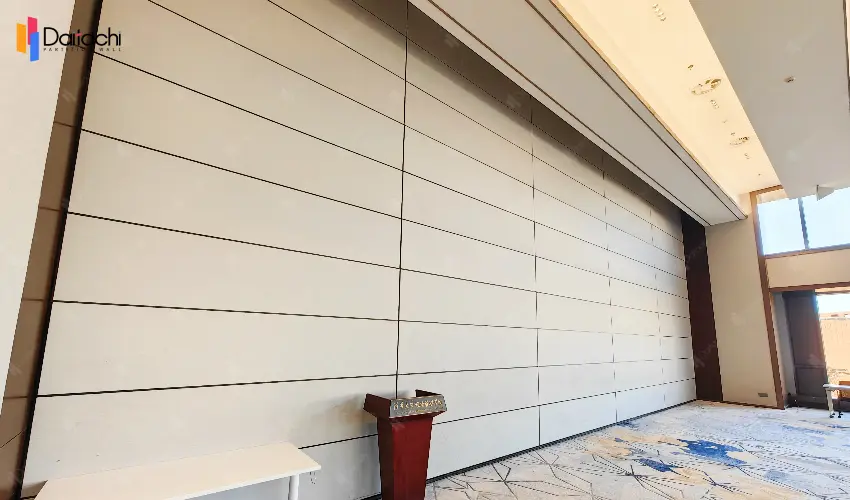
Multiple Safety Protections: Vertical lifting walls come with safety mechanisms such as safety devices to prevent falls and overload protection as well as limit switches that ensure stability and safe operation. As an example the fall protection mechanism will automatically lock in the event the rope is damaged or loosens which prevents it from falling. the overload protection system is able to monitor the load at a real-time rate by using sensors. It stops the operation if the load is over the maximum limit.
Stable Structural Stability: The guide rail frame is constructed from steel with high strength, as well as the wall brackets. They are securely attached to the structure, preventing external forces like the wind and earthquakes. The tests show that the vertical wall is still able to function normally in levels 8 winds, in compliance with the safety standards for high-rise structures.
Recycling Materials: The principal components of the vertical lifting wall (such as aluminum and steel alloy) can be reused, thus reducing the amount of construction waste produced. As an example, 90 percent of the materials used in the vertical wall are reused and recycled, which reduces usage of natural resources.
Design that is Energy-efficient: The transmission system utilizes high-efficiency motors as well as variable frequency control which reduces energy use by over 20% when compared with traditional lifting devices. Additionally it is possible to use thermal insulation as well as sound insulation material can be integrated within the wall's surface for further energy savings.
Modular-maintenance: The parts of the vertical wall are designed in a standard manner that makes them straightforward to repair. In the case of an ordinary section becomes damaged, it is only the affected part that requires replacement and there is no need to replace the whole wall. This reduces the cost of maintenance.
Intelligent Lifting: The lifting and lower of the wall that folds is controlled through turning an arrow to select the direction of movement, using buttons, or using the touch screen to choose the direction of lifting.
Related Articles: 5 Core Reasons to Choose Vertical Lifting Partition Walls
Vertical Lifting Partition Wall: Weight Analysis and Structural Advantages