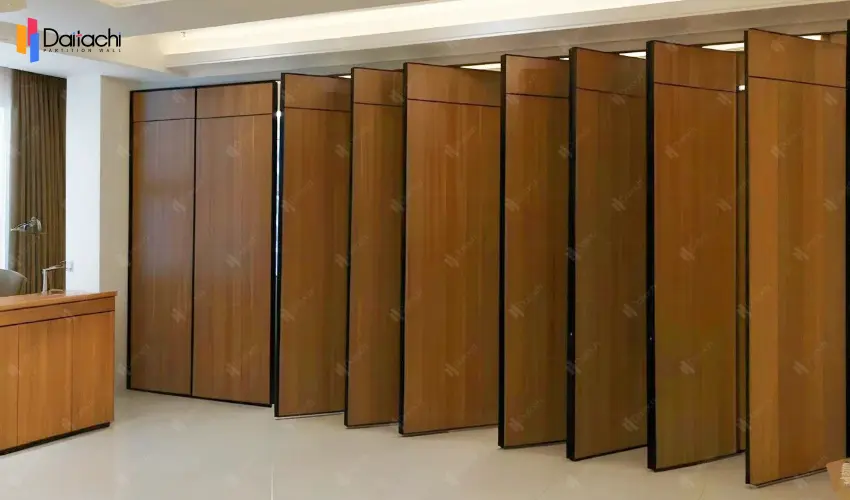
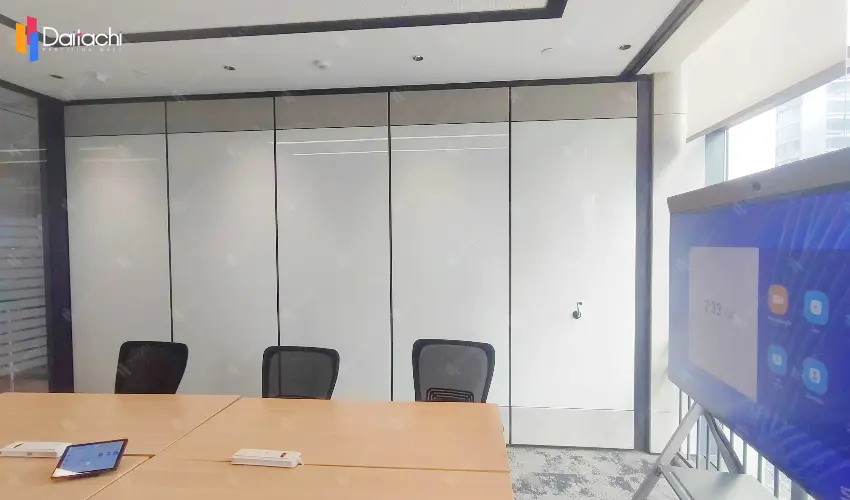
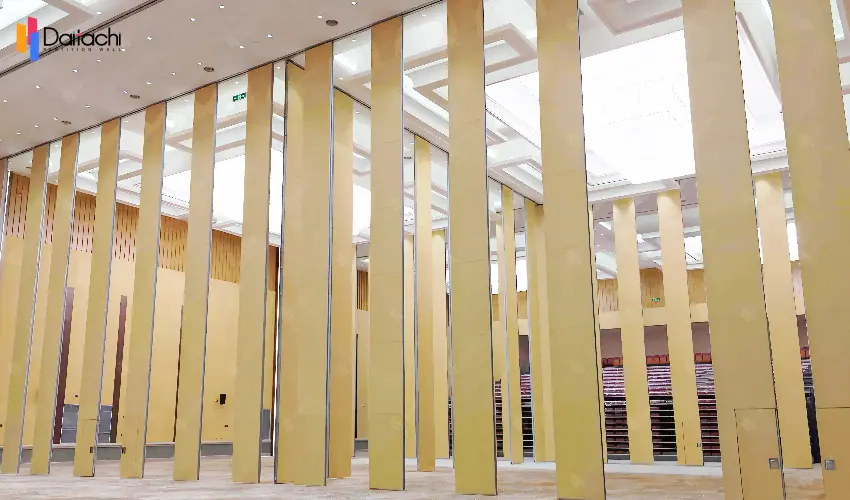
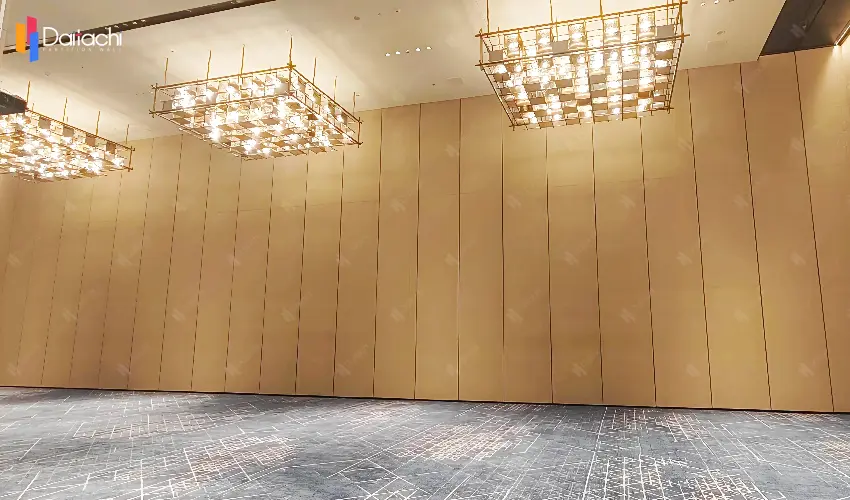
To learn about all aspects related to Movable Partition Wall, you can consult our comprehensive guide on Movable Partition Walls Hub.
The Growing Trend of Customized Movable Partitions and Vertical Folding Walls
Customized products are becoming the go-to choice for movable partitions and vertical folding/lifting walls. This article explores the core advantages and potential disadvantages to help companies make informed decisions about customized solutions.
Tailored to Specific Needs, Improving Space Efficiency
Scenario Adaptability: Standard partitions may struggle with irregular spaces or unique acoustic and load-bearing needs. Customized solutions address specific requirements like sound insulation for conference rooms and heavy load-bearing for exhibition halls.
Functional Integration: Customized partitions can include features like LED screens and smart control systems, maximizing utility and reducing future modification costs.
Optimizing Space Utilization and Reducing Long-Term Costs
Non-Standard Sizes: Custom designs fit irregular spaces such as sloping ceilings, eliminating unused corners and maximizing space efficiency.
Modular Design: Reconfigurable partitions can adapt to future business needs, helping with expansion and functional changes.
Enhancing Aesthetic Appeal and Brand Expression
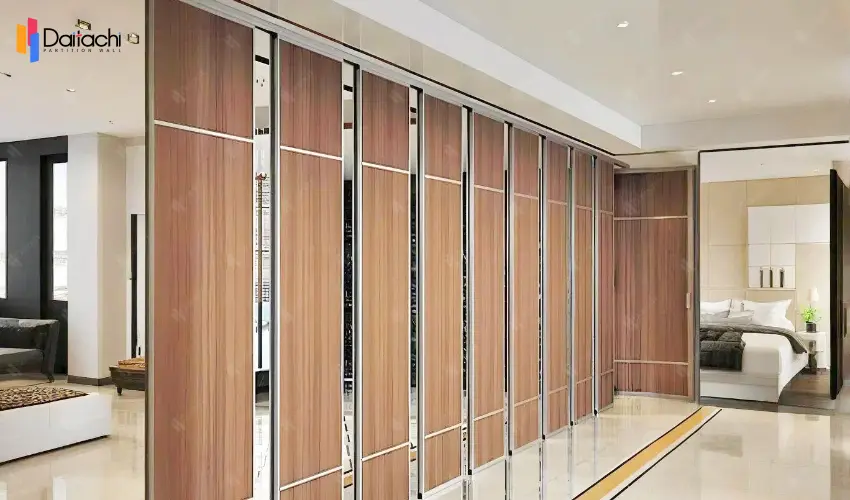
Material and Color Options: Choose from wood, metal, and fabric finishes to align with your company's branding.
Brand Integration: Laser-engraved logos and patterns turn partitions into brand assets.
Lighting: Hidden LED lights can enhance the ambiance and spatial depth.
Long-Term Cost-Effectiveness
Reduced Renovation Costs: Customized partitions minimize the need for future construction.
Increased Venue Utilization: Flexible spaces can increase rental income by 30%-50%.
Low Maintenance: Durable materials reduce long-term upkeep costs.
Higher Costs and Longer Lead Times
Initial Investment: Customization involves additional design, mold, and material costs, which may exceed the cost of standard products by 20%-50%.
Production Delays: The cycle can take 4-8 weeks, which may not meet urgent deadlines.
Solution: Opt for modular designs and prefabricated components to shorten the timeline.
Communication and Execution Risks
Misunderstood Requirements: Poor communication can lead to designs that don't meet expectations.
Supply Chain Complexity: Non-standard materials may depend on specific suppliers, creating delivery risks.
Solution: Use a standardized requirements survey and work with suppliers who handle the entire production process.
Challenges with Future Adjustments
Modification Difficulty: Customized designs may incur high costs for significant changes.
Obsolescence Risk: Intelligent systems may become outdated as technology evolves.
Recommendation: Reserve space for future upgrades and choose adaptable systems.
Maintenance and After-Sales Complexity
Specialized Maintenance: Customized products may require specific technicians, leading to potential service gaps.
Inventory Pressures: Non-standard parts may increase inventory costs.
Solution: Secure long-term maintenance agreements and choose versatile components.
Classify Requirements: Customize key aspects like soundproofing and load-bearing capacity, while using standardized elements for secondary features.
Reuse Past Designs: Use templates from previous projects to streamline the design process.
Hybrid Models: Combine standard models with custom modules to lower costs and simplify decisions.
While customized products can be more expensive initially, they offer significant long-term value by enhancing space functionality and brand identity. For companies seeking a competitive edge, high-usage spaces, or brand upgrades, customization remains the best solution.
Related Articles: How customizable are movable partition materials?
The Importance of Customized Movable Partition Walls?