To learn about all aspects related to Vertical Folding Partition Walls, you can consult our comprehensive guide on Vertical Folding Partition Walls Hub.
Core standards for testing the tightness of wire ropes
According to national standards and industry specifications, the tightness of wire ropes must meet the following technical requirements:
1. Allowable deviation of tension: The difference between the tension of any lifting wire rope and the average tension shall not exceed ±10%, and the single rope tension deviation of general equipment shall be ≤5% of the rated value. However, for high-risk scenarios (such as passenger ropeways), the dynamic tension fluctuation is ≤±3%. For example, for a wire rope with a rated tension of 10kN, the measured value must be between 9.5 and 10.5kN.
2. Tension difference between ropes: When multiple wire ropes are adjusted synchronously, the tension difference within the group is ≤2%. The adjustment principle is to adopt the "diagonal priority" order to avoid structural overloading.
3. Scrap standard
Diameter wear: Scrap when the diameter reduction exceeds 7% of the nominal diameter
Corrosion level: Downgrade or replacement is required when the surface rust area exceeds 15%.
1. Tension meter method
Tool: Digital tension meter
Steps: Loosen the support bolts and use the hydraulic tensioner to slowly lift; hook a single wire rope and apply force vertically until it is slightly deformed, and read the peak force value; tighten the bolts after retesting to ensure that the tension difference of each rope is ≤2%.
2. Frequency method (long-distance scenario)
Applicable scenarios: high-altitude cables, ultra-long track systems.
3. Online monitoring system
Configuration: Install tension sensors with PLC control systems.
Advantages: Real-time feedback data, dynamic fluctuation control of elevator scenarios ≤±3%.
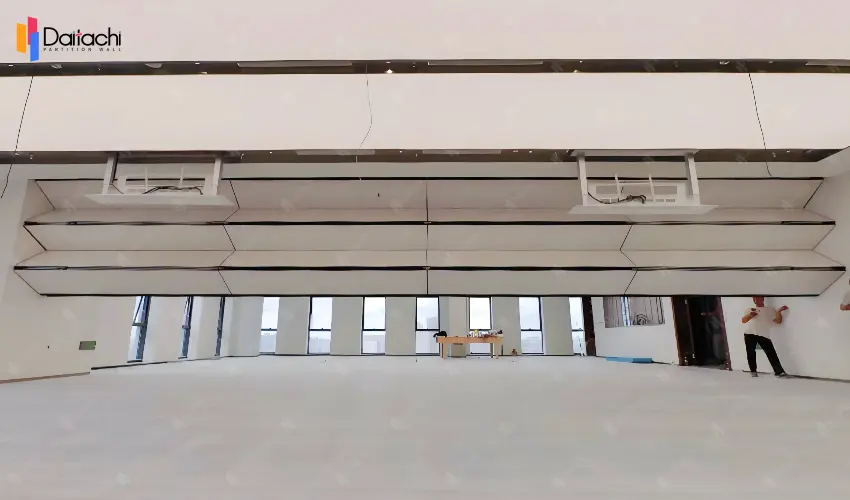
1. Common causes of jamming: Too loose causes wire ropes to slip and lifting positioning deviations; too tight causes the transmission mechanism to overload and the motor current to exceed the rated value; unevenness causes running jitters.
2. Targeted solutions
Single rope is too loose: the tension is less than 90% of the rated value, adjust the tensioner to the standard range, and run after retesting.
Uneven multiple ropes: The tension difference within the group is 5%. Recalibrate according to the "diagonal method" and use a hydraulic synchronization device.
Severe wear: If the diameter reduction is greater than 10% or the wire breakage rate exceeds the standard, replace the wire rope of the same specification immediately and scrap the old rope.
Inspection cycle:
High-frequency use: Detect once every 3 weeks.
Conventional scenarios: Use a dynamometer for monthly census and quarterly in-depth inspection.
Tool configuration: Basic version: digital dynamometer + hydraulic tensioner; smart version: tension sensor + data acquisition module.
Environmental adaptation: Pre-tension to 110% of the rated value in low-temperature environments; special grease is applied every quarter in high-corrosion scenarios.
The tightness detection of the wire rope of the vertical lifting wall needs to be combined with mechanical standards and scene adaptation, and precise control is achieved through tools such as the dynamometer method and frequency method. It is recommended to establish a "detection-adjustment-verification" closed-loop management, refer to standard specifications, and ensure that the equipment runs smoothly to the standard.
Related Articles: Unveiling the Secrets to Smooth and Stable Vertical Folding Lifting Walls
Vertical Lifting Partition Wall: Weight Analysis and Structural Advantages