To learn about all aspects related to Movable Partition Wall, you can consult our comprehensive guide on Movable Partition Walls Hub.
What exactly is an area created by walls that are operable?
This is more than an unchanging volume. It is a place of light, emotions and even movement and is a space where the world unfolds. With careful planning the space is able to adapt as it responds, even be awe-inspiring. Operating walls allow this to be done. Unlike static partitions, they also serve as tools for transformation--transforming one space into multiple spaces, and multiple spaces back into one.
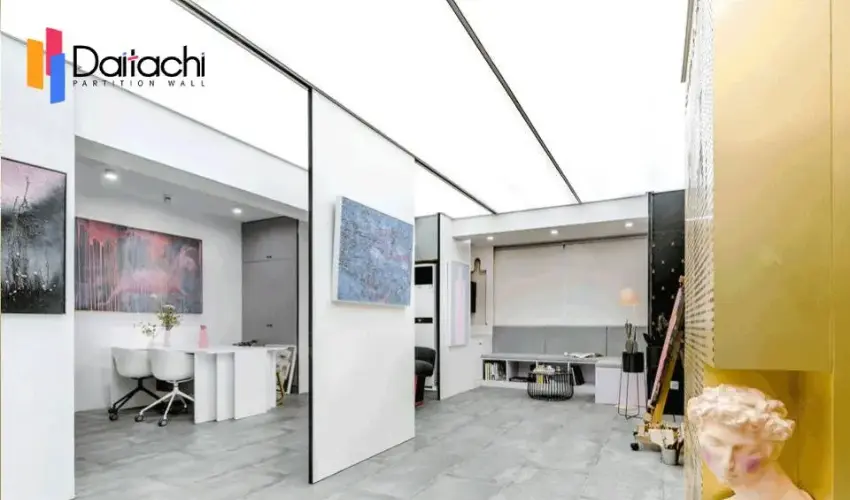
In this design, which is framed by modern design, the installation of custom operable walls provides an element of flexibility and a rhythm. Each partition silently participates in the spatial choreography--folding, sliding, and reshaping the room to harmonize with its function.
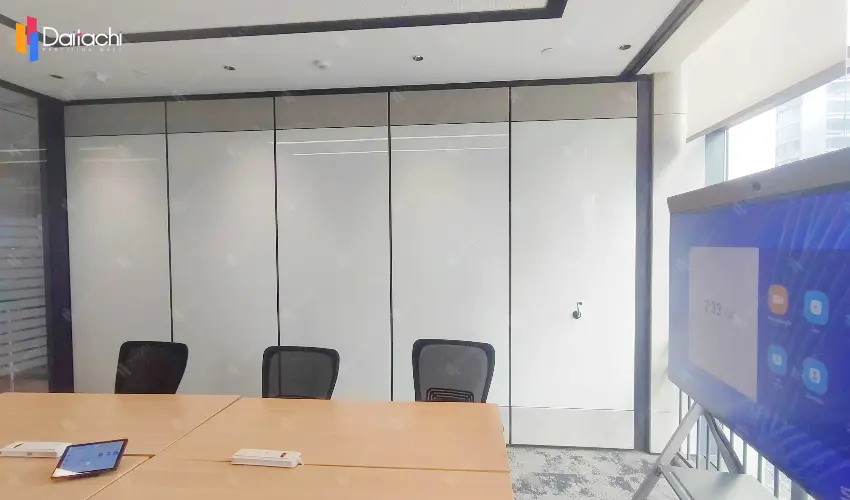
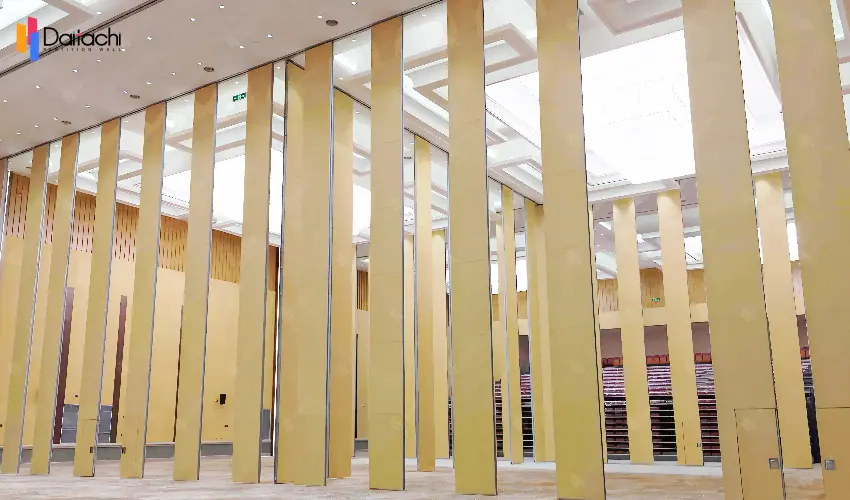
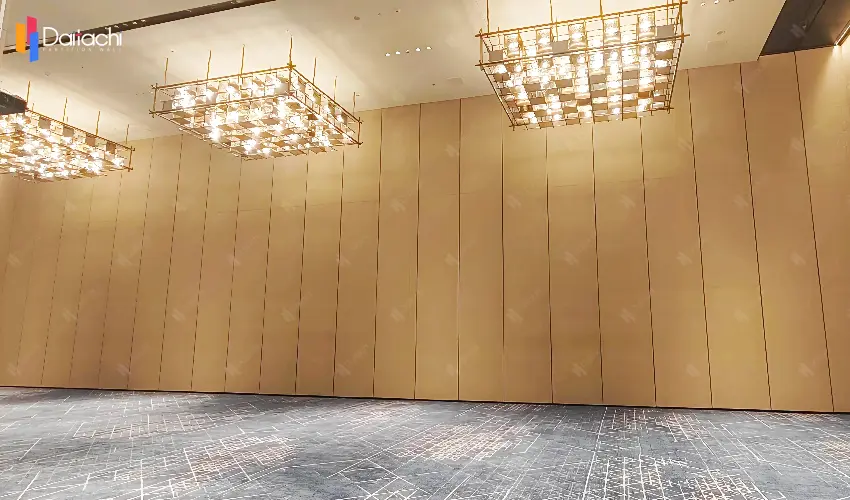
If closed the walls can be operated to define different areas and provide the privacy, acoustic isolation while also serving a the ability to clearly define their objectives. If they are open, they blend in the background, blurring the boundaries of spaces and connecting them. They can easily transform rooms for training to an open space or meeting space in a common lounge.
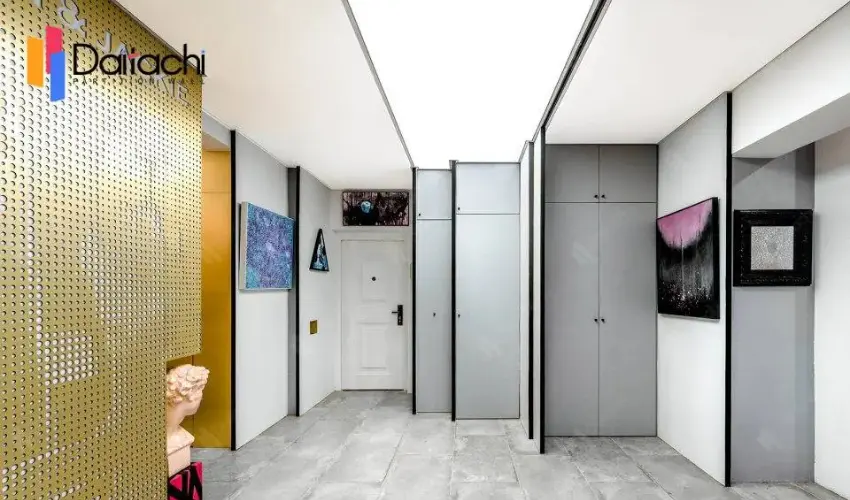
These partition systems that move are built to be light and durable they can be operated smoothly or electronically, and have adjustable finishes to match the decor. The single ceiling track typically is concealed in the ceiling. A few models are able to adjust or bend to accommodate different layouts and prove that being modular isn't a sign of compromise.
Flexible partitions can be now not restricted to big, formal areas. They can be used to enhance hotel rooms, homes, offices and gyms, churches and galleries, schools and any other place that benefit from the ability to adapt spatially. When they are folded, sliding or stacking flexible partitions provide architecture with a fresh style of architecture that reflects the freedom of privacy, openness as well as intelligent design.
Beyond their practicality, these partitions are an opportunity for creative expression. They can be customised according to the design of the room--with choices like wood surfaces fabrics, finishes on wood, or surfaces that can be writable. In many instances they can be used as decorative pieces that are lightweight, such as posters, artworks and acoustic panels may be attached directly to the wall. These panels are not simply a line of sight as they can become a an element of the space's style adding to the aesthetic and warm appeal of homes. Space isn't just what we call home It's also the way we interact, move to it and build within it.
Related Articles: Manually Movable Partition Walls: the Perfect Blend of Beauty and Functionality
Two Movable Wall Partitions, Three Possibilities
Related Product: Type 85 Manual Collapsible Partition Wall