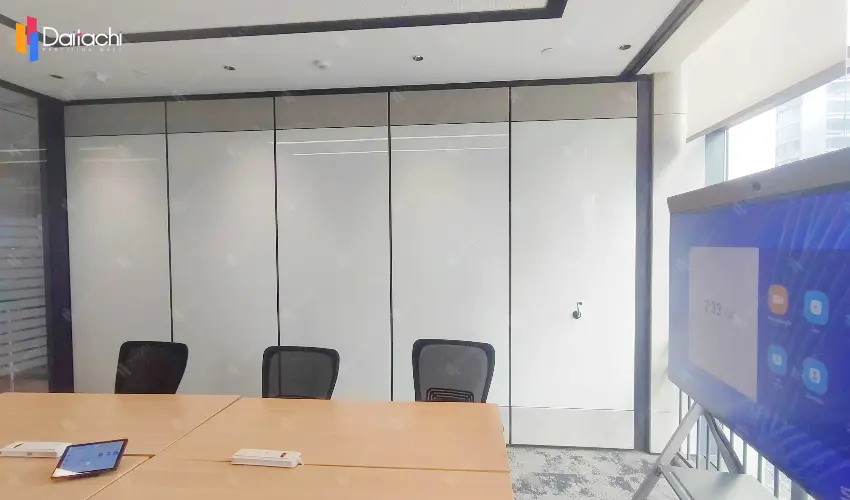
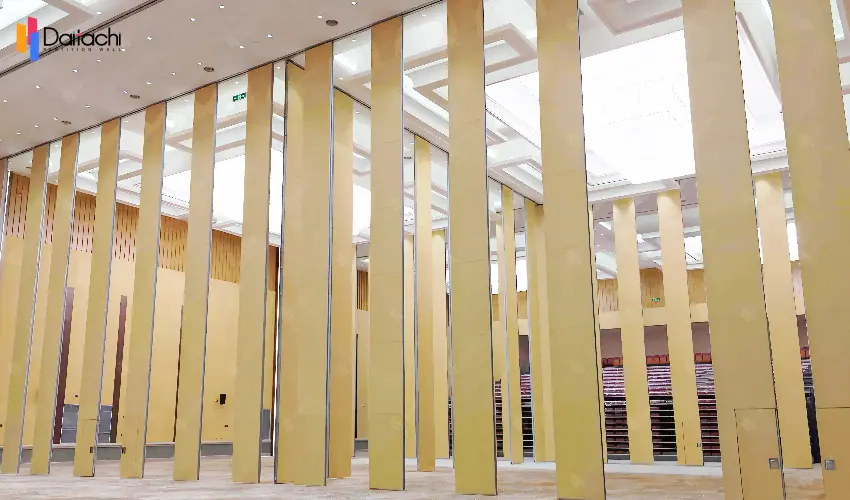
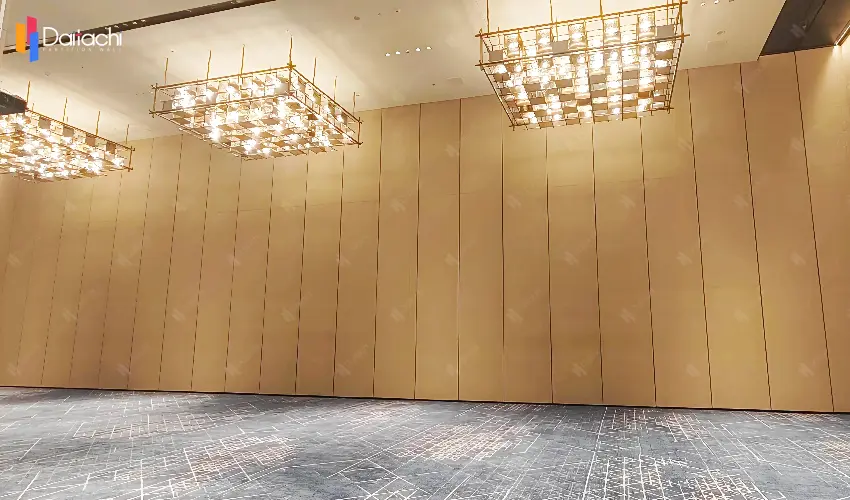
To learn about all aspects related to Movable Partition Wall, you can consult our comprehensive guide on Movable Partition Walls Hub.
When screening for compliant products, the establishment of a compliance framework must encompass seven areas: regulatory compliance, supplier management, contract terms, process monitoring, acceptance mechanisms, employee training, and continuous improvement. Specific recommendations are as follows:
Regulation Adaptability: Connect the type of product to applicable rules. In the case of movable partitions, for example: walls are part of the building materials class and should comply with environmental regulations (such as ENF-graded boards) in order to prevent formaldehyde from exceeding the limits.
Complementing Industry Standards: Based on rules, look up the standards issued by the industry associations. In the case of partition walls that can move are referred to "Movable Partition Wall Industry Standard" to provide more information about the thickness of the board and how long it will last for hardware.
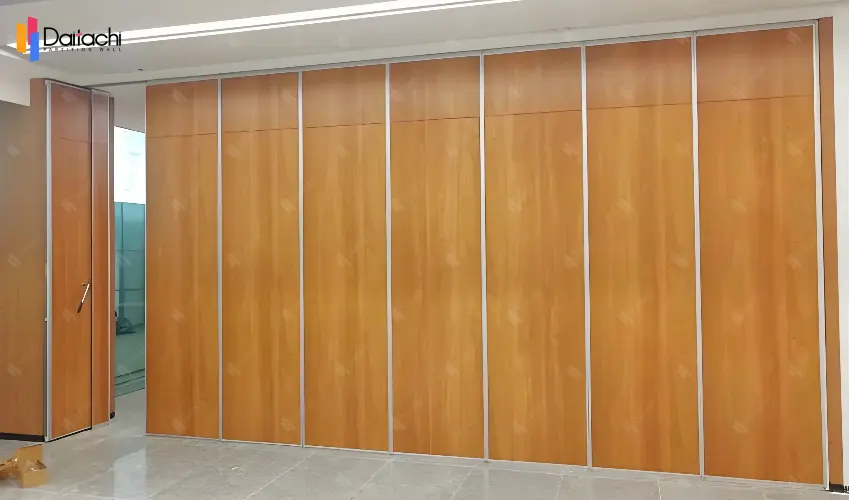
Qualification Verification: Check the company's license to operate or production licence, as well as Quality Management System certificate (such like ISO9001). Additionally, verify their irregular company records and administrative penalties information using the National Enterprise Credit Information Publicity System.
Production Environment Assessment: On-site inspection of the manufacturing workshop to determine if the hygiene standards clean equipment, cleanliness of the facility, and flow of production meet the standards.
Case Verification: Request vendors to supply compliance certificates for similar items, for example, evidence of the supply of popular brands, or testing reports.
Specifications for the Product: Comprehensive listing of the materials, sizes and performance specifications (e.g. the sound insulation decibels to partition walls).
Standard of Delivery: Conclude on Acceptance procedures and handling techniques in the case of non-conforming goods (e.g. the rework process, return).
Intellectual Property: Define clearly Copyright rights to designs in order to avoid vendors from stealing custom solutions.
Reliability for breach of contract. Create compensation clauses in the event of delayed delivery or poor quality.
Legal Compliant: All contracts should be written in compliance of the law and regulation to prevent clearly unlawful clauses (e.g. or unilateral exemptions).
Export and import of products are required to comply with Foreign Trade Law, clearly the definition of certificates of origin and customs taxes.
The inspection of raw materials: Random examination of the most important materials (e.g. aluminum alloy frames to partition walls) to confirm report on the material and to verify environmental certificates.
As an example, you can ask vendors to supply tests of mechanical properties for the steel.
Control Production Nodes Establish: the production process's key nodes (such as frame welding or surface treatment) that require suppliers to report on progress along with pictures. Utilize electronic tools (such as ERP software) to keep track of the production's status at a real-time pace.
Third-Party Testing: As an example, ask an organization like the Beijing Institute of Inspection and Quarantine (BII) to examine the final product, with a focus on safety-related performance (such as fire resistance ratings and capacity to bear load).
Acceptance Process Design
Appearance Inspection: Ensure the dimensions of the product, its color and treatment of the surface meet contractual requirements.
Functional Testing: Run several tests of lifting on the wall of the electric partition to ensure smooth operation and no blocking.
Document Verification: Make sure for completeness of product certificates, instructional manuals and warranties are all complete.
Handling of Non-Conforming Products
Adopt a consensus on deadlines for rework and the re-acceptance criteria in the case of non-conforming items to prevent delay in delivery.
Tiered Training
Management: Understand the importance of the construction of compliance management systems (such as the ISO 19001 quality management system).
Operational level: Learn about the standards for inspection of products (e.g. knowing how you can use a sound tester to measure the sound insulation capacity).
Regular Audits: Conduct monthly inspections to ensure compliance of the procurement process. They will also verify that the contract is executed and assessing supplier quality.
Feedback Mechanism: Create internal complaints channels in order to motivate employees to file complaints about violations of compliance (e.g. the acceptance process, or negligence the process of acceptance). Change acceptance criteria based on the feedback of customers (e.g. by incorporating survey surveys of customer satisfaction on the performance of sound insulation).
By constructing a full-chain compliance system encompassing "standards-suppliers-contracts-process-acceptance-training-improvement," companies can effectively reduce compliance risks associated with customized products and enhance market competitiveness.
Related Articles: How to Ensure the Safety Performance of Customized Products?
Movable Partition Wall Series: in-depth Analysis of Models 65, 85, and 105
Related Product: Type 100 Series Manual Sliding Partition Wall