To learn about all aspects related to Vertical Folding Partition Wall, you can consult our comprehensive guide on Vertical Folding Partition Wall Hub.
In the realm of high-end interior design, spatial flexibility and uniqueness are gaining increasing prominence. As an innovative form of partition, the vertical lift wall transcends the limitations of traditional fixed dividers, introducing an unprecedented sense of dynamic change and infinite possibility to a space. No longer merely simple tools for spatial division, these walls serve as visual focal points within an interior, infusing the environment with unique charm and personality. The following discussion delves into how vertical lift walls can be seamlessly integrated into high-end interior design projects.
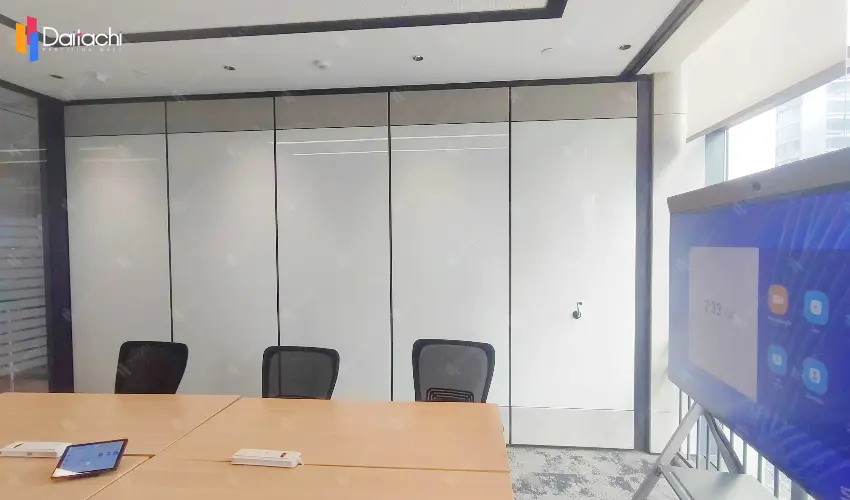
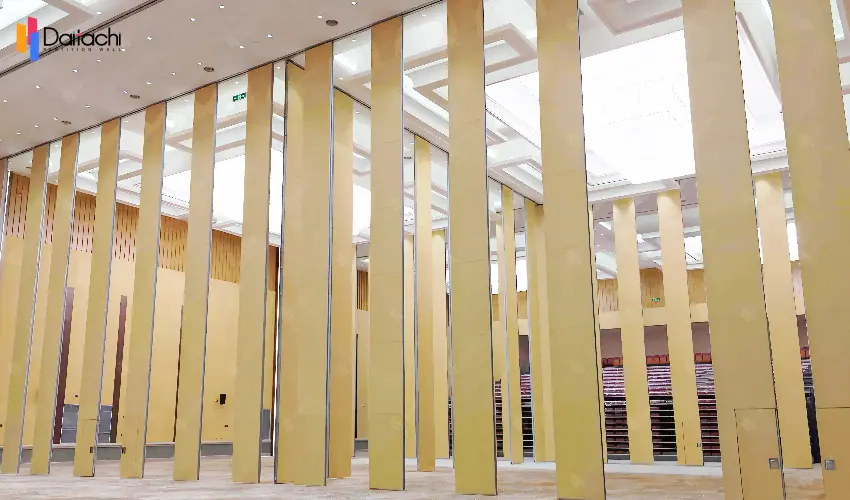
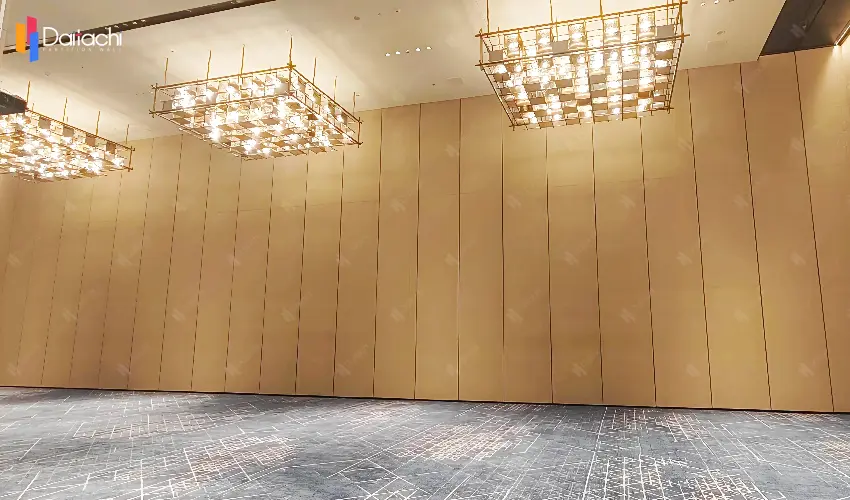
The primary function of a vertical lift wall lies in its ability to flexibly divide space. In high-end residential or commercial settings, different zones often accommodate a diverse range of functional needs. For instance, within the grand lobby of a hotel, vertical lift walls can be utilized to partition the area into distinct reception and lounge zones, thereby catering to the specific requirements of various scenarios. When hosting gatherings or parties, the walls can be raised upward to create a spacious, open-plan public area; conversely, when quiet reading or private conversation is required, the walls can be lowered to form relatively independent, private cubicles, providing users with a tranquil and secluded environment.
Beyond spatial division, vertical lift walls also serve to effectively regulate indoor lighting and ventilation. During the day, raising the walls allows an abundance of natural light to flood the space, making it appear bright and expansive while simultaneously facilitating air circulation to create a fresh and comfortable indoor environment. At night—or whenever privacy is paramount—lowering the walls blocks external lines of sight; when combined with the interior lighting scheme, this creates a warm and intimate atmosphere, thereby fully safeguarding user privacy while ensuring adequate ventilation and natural illumination.
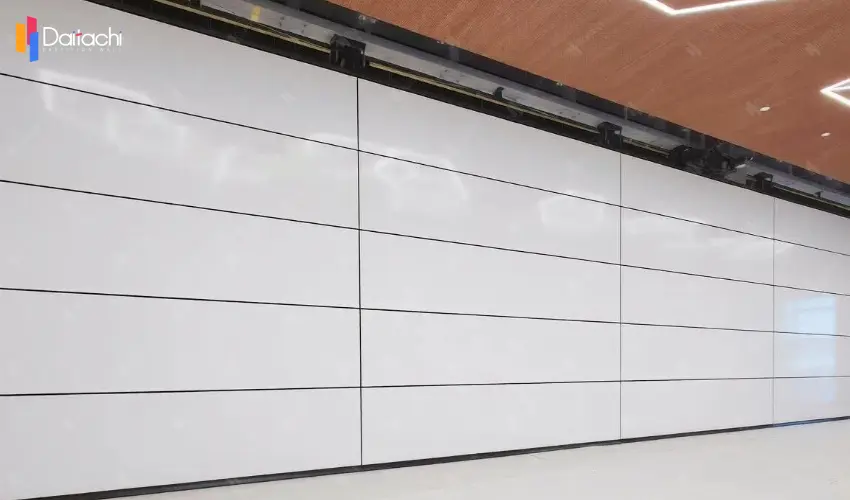
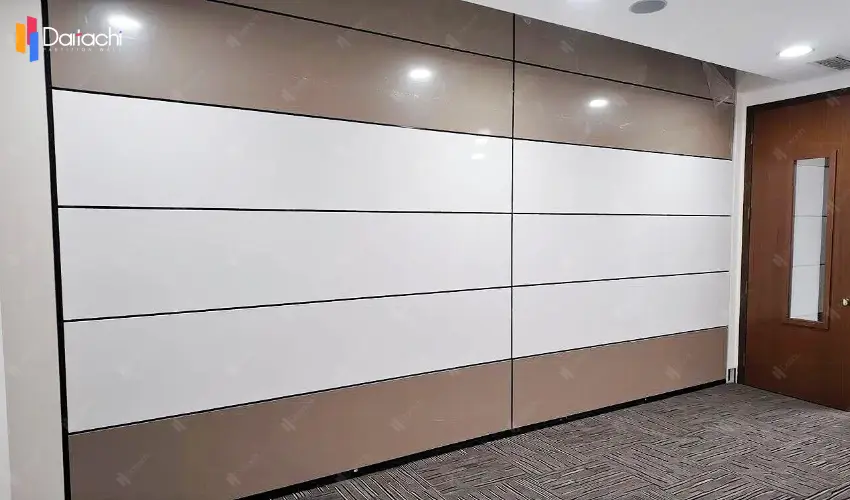
Glass is one of the most commonly utilized materials for vertical lift walls; its greatest advantage lies in its exceptional transparency, which allows the space to maintain a sense of visual continuity and openness. In high-end interior design, the selection of various types of premium panel materials enables the creation of vastly different spatial atmospheres. Transparent glass is ideally suited for settings that require a sense of spatial unity or seek to establish a strong visual connection with the external environment. Conversely, aluminum alloy panels offer a degree of privacy protection and are frequently deployed in areas where specific privacy requirements exist. Furthermore, panel surfaces can undergo artistic treatments—such as etching or decorative painting—to enhance the wall's artistic appeal and uniqueness.
The structural design of a vertical lift wall is a pivotal factor in establishing it as a visual focal point within a space. Designers can craft panel styles that are perfectly tailored to the environment's overall aesthetic and functional requirements. For instance, custom patterns can be applied to the panels, or the wall can be designed with a multi-layered, three-dimensional structure to imbue the space with depth and dimensionality. In high-end commercial settings, vertical lift walls can also be seamlessly integrated with brand elements to create iconic designs, thereby boosting brand recognition and reinforcing corporate identity.
Color is a critical element in shaping a space's atmosphere. In high-end interior design, the color scheme of a vertical lift wall must harmonize with the room's overall color palette. One approach involves selecting colors that closely match the interior's dominant hues, allowing the wall to blend seamlessly into its surroundings. Alternatively, high-contrast colors can be employed to accentuate the wall's visual impact, thereby establishing it as the room's central focal point. For example, in a modern minimalist space dominated by white, a black vertical lift wall can create a striking contrast, infusing the room with a style characterized by contemporary flair and distinct personality.
With the continuous advancement of technology, intelligent control systems have become an indispensable component of high-end interior design. Vertical lift walls can be equipped with smart control systems—operated via smart panels, rotary switches, or similar interactive interfaces—to manage functions such as raising, lowering, and stopping the wall. Users can adjust the wall's status at any time and from any location, precisely according to their needs
Related Articles: Unveiling the Secrets to Smooth and Stable Vertical Folding Lifting Walls
Personalized Decorative Panel Combinations: Unlocking Infinite Possibilities in Interior Aesthetics