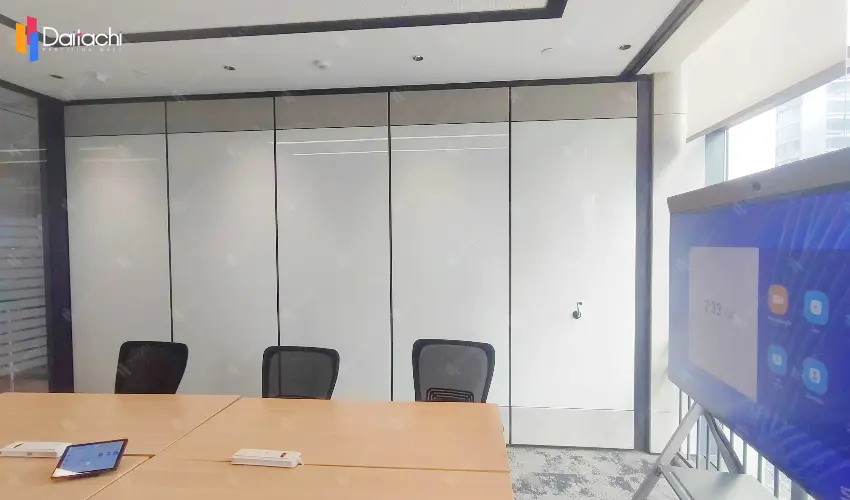
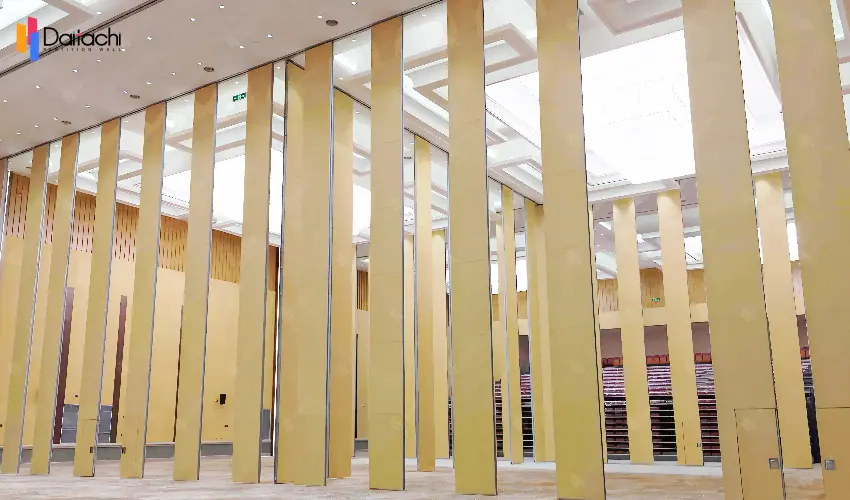
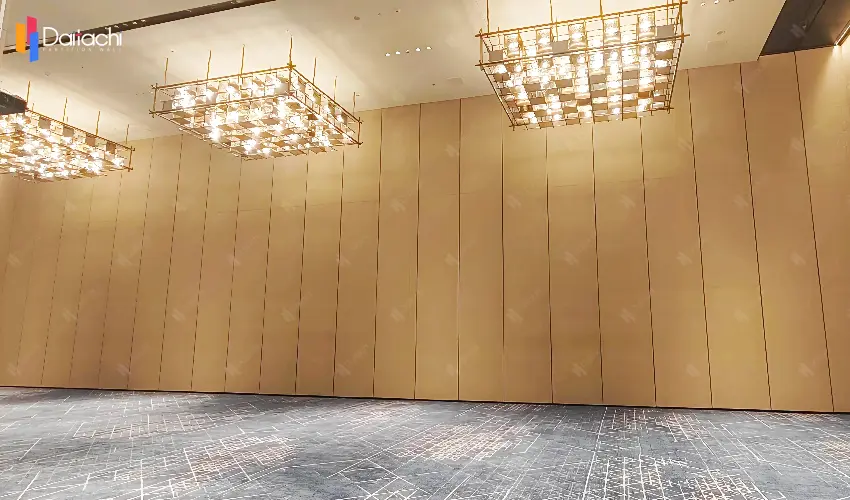
To learn about all aspects related to Movable Partition Wall, you can consult our comprehensive guide on Movable Partition Walls Hub.
Issues with quality in moving partitioning materials demand an organized approach that covers the following four areas: choosing the right material, installing specifications monitoring of processes, after-sales support. Here are some specific suggestions:
Material Certification: Prioritize products which meet the national standards like an fire rating of B1 or greater as well as environmental indicators that have to be able to pass VOC tests (e.g. emissions from low-formaldehyde panels).
Example: Metal frames must be constructed of galvanized steel or aluminum alloy that has the rust-proof treatment. Panels could be constructed of the fire-proof sandwich panel or high-density fibreboard, while avoiding poor quality materials, which are vulnerable to cracking and deformation.
Structural Compatibility: The thickness of the material should be determined based on dimensions and load-bearing needs of the area. As an example, partitions that move with a height of more than 3 meters need thicker tracks and the wheels for load-bearing to avoid deformation in the long run.
Example: A good quality pulley should be constructed of nylon with high strength or iron to assure the smoothest moving and pulling、sealing performance. Use soundproofing products that have the diaphragm layer (such as sealing strips made of rubber) to limit sound leakage.
Examples: Gaps between floors, partitions, and ceilings should be sealed with elastic sealant so that you can ensure an insulation level of 35dB.
Measurement: On site and pre-treatment prior to the installation precisely measure the flatness of your floor (tolerance greater than 3mm) and the ceiling's height and make floor or ceiling adjustment if needed.
Example: Make use of the laser level to measure the track's position, ensuring that the track is straight within a millimeter.
Track installation. Tracks should be secured to the structure base and bolted with expansion bolts to avoid loosening following long-term usage.
Example: After installation, run one of these tests to verify that there's no stickiness or noise that is unusual as well as that the push-pull force is not greater than 50N.
Soundproofing and Sealing: Joints between walls, partitions, and tracks should be filled with closed-cell elastic materials (such such as polyurethane) along with an outer layer of foam that is soundproofed.
Example: Double-layer seal strips are required to be placed on door frames in order to form the "sound barriers" structure. They also improve the sound insulation.
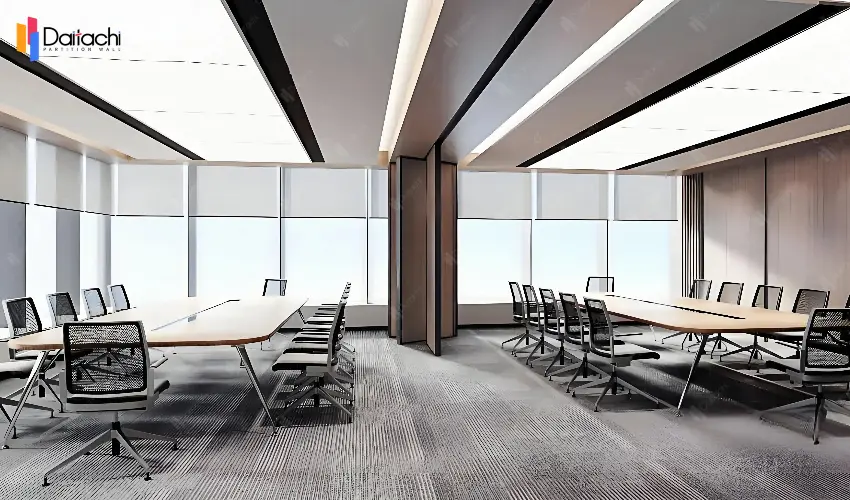
For Material Incoming Inspection: Check that the model specifications for the material conform to the specifications in the terms of the contract. Also, look over the documents, such as factory certifications as well as fire inspection reports.
Example: Use testing of bending on frames made of metal to make sure that the capacity to bear load is greater than the limit of the design.
Confidential Work Inspection: Note down the steps that are hidden, such as tracking fixing or keel construction in order to make sure that the design is met standards.
Example: Make use of an endoscope to check the inside connections of the track for tightness. avoid solder joints that are weak or screw holes.
Functional Testing Final Product: Following installation Perform push-pull test (100 consecutive push-pull cycles with no failing) and testing for sound insulation (using an instrument to measure decibels) as well as fire test (simulating an open flame).
Example: Controlling the speed of push-pull between 0.3 to 0.5 milliseconds in order to prevent getting a derailment.
Regular maintenance: Cleaning track dust every three months and lubricate parts like bearings, pulleys, as well as other elements each year (using an exclusive silicone grease).
Examples: Change weather strips when they're deteriorating, causing an increase in the noise insulation.
Security: Mechanism for Emergency Repair Set up a 24 hours after-sales department to address jamming or derailment as well as other problems within 4 hours.
Example: Make sure you have extra pulleys in order to guarantee the normal operation of your equipment in the event of maintenance.
Instruction for Users: Users should be provided with operating guides and instructions in proper pulling and pushing methods (e.g. avoid excessive forces on rails).
Example: Put up "Push as well as Pull Gently" signage on partitions in order to minimize the chance of injury.
Avoiding the Low-Price Tricks: Pick businesses that provide the full chain of the installation of materials, as well as after-sales services. Beware of poor quality of work because of low costs.
Case study in a hotel construction project used low-cost partitions, challenges like track deformation or problems with sound insulation were discovered within one year. This led to repair costs that were higher than the initial price by 30 percent. An investment in high-end materials and an established installation method was able to give five years of smooth operating, leading to lower total costs.
By taking these steps We can solve the problems of quality in removable partitioning materials, which will ensure the safety and functionality of the room and also allowing for an extended, long-lasting and stable usage.
Related Articles: What Special Considerations Are Needed in the Structural Design of Movable Partition Walls?
Frame Material Determines Service Life: Aluminum Alloy VS Steel Partition Wall Horizontal Evaluation
Related Product : Manual Operable Partition Wall