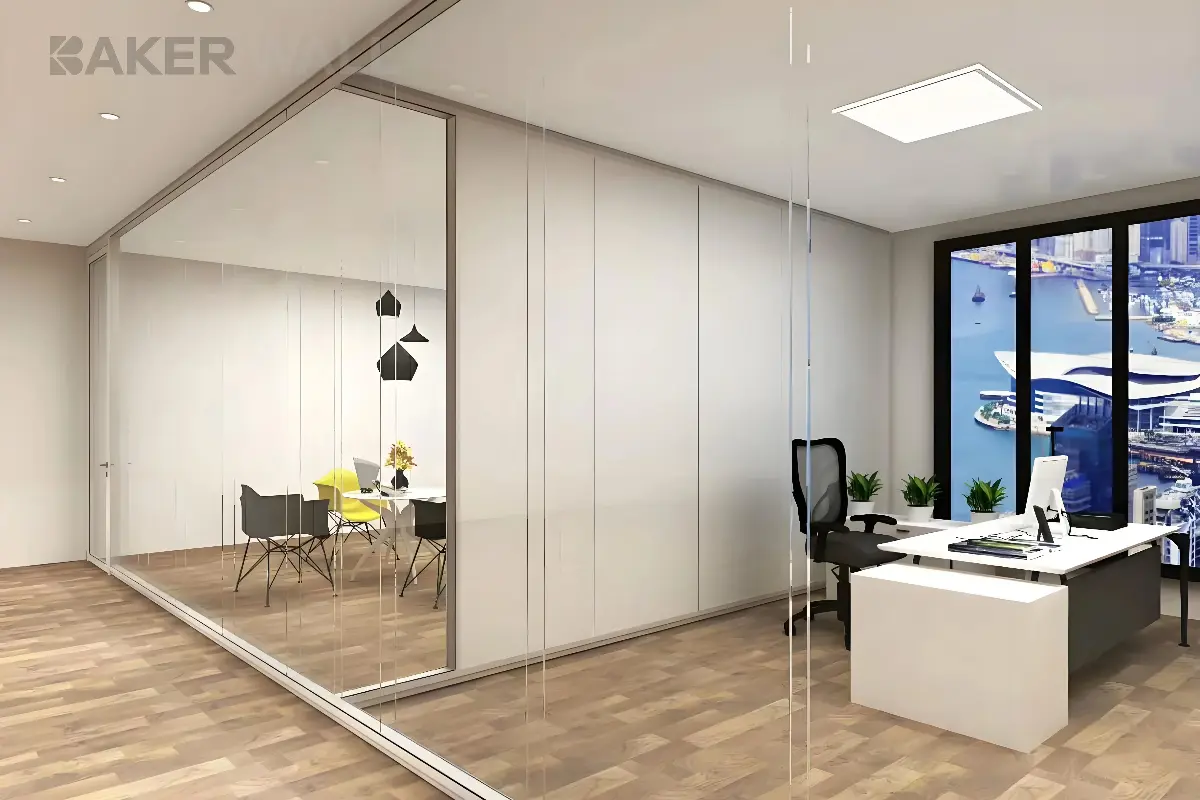
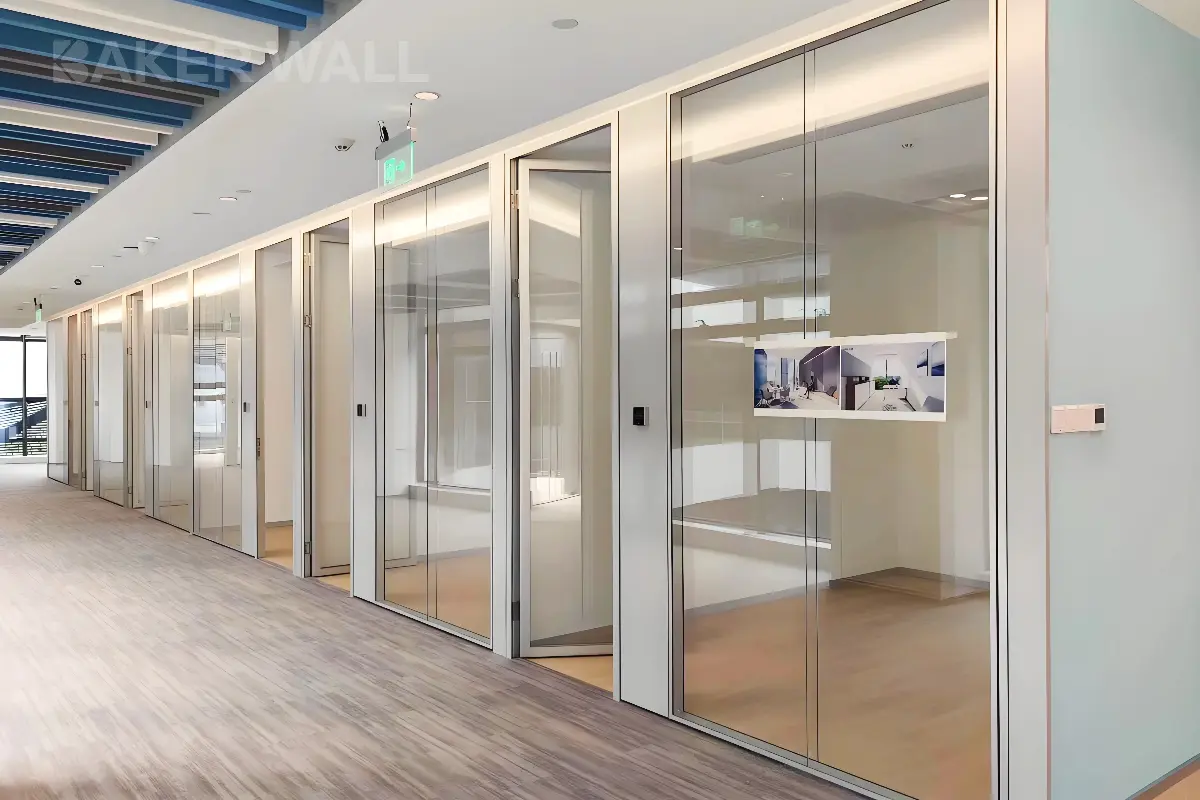
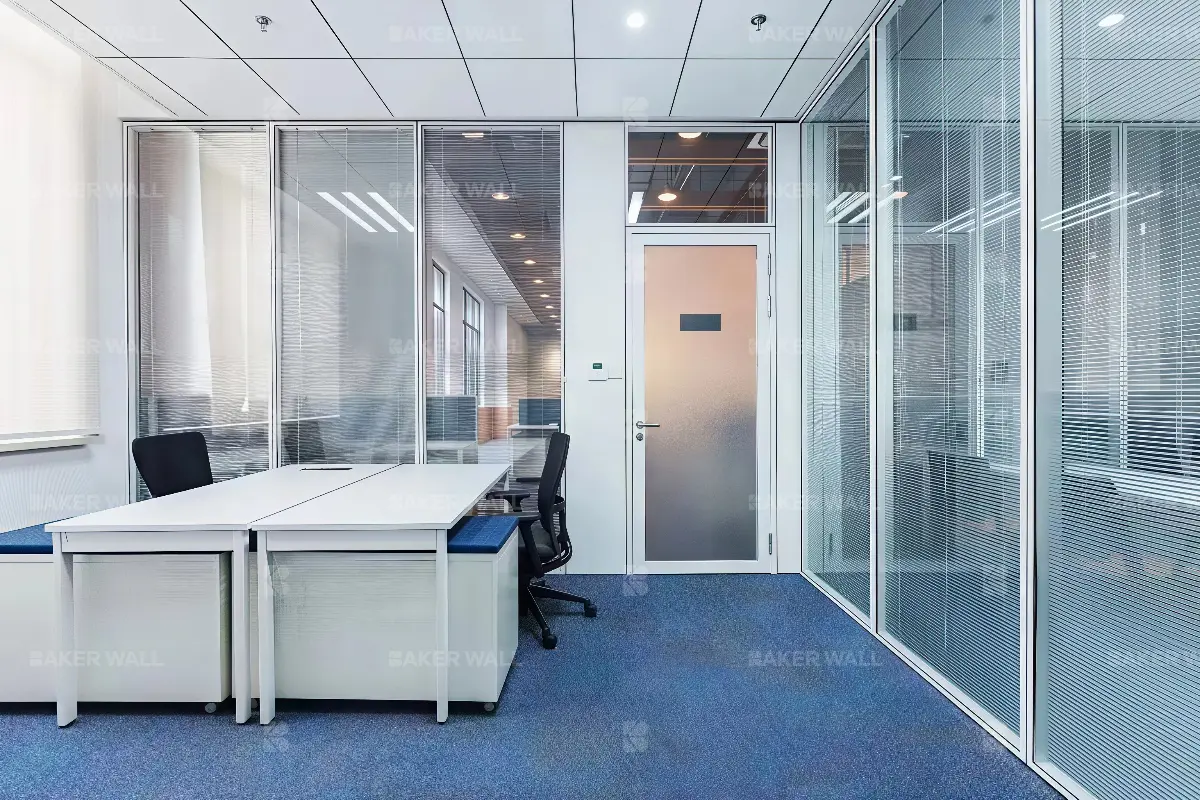
To learn about all aspects related to Movable Partition Wall, you can consult our comprehensive guide on Movable Partition Walls Hub.
Modern commercial and public interiors face constantly‑changing spatial demands.
Many venues need to re‑configure room sizes frequently, yet cannot invest in complex motor‑driven partition hardware. Well‑designed manual movable partition walls deliver a balanced solution, combining flexible layout adjustment, refined visual styling and reliable multi‑scene performance. This article explores core characteristics that make manually‑operated operable partitions widely adopted across different interior projects.
Visual performance is one key factor for manually‑operated movable partition selections.
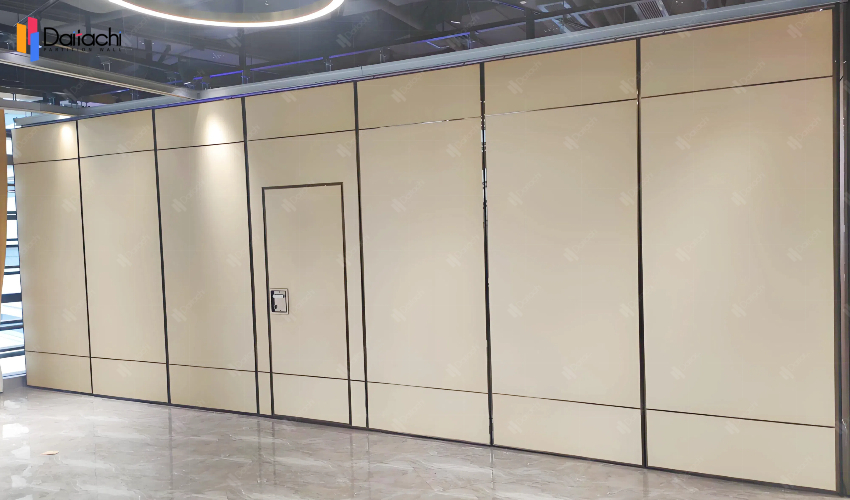
This popular partition variant features soft‑toned panel surfaces with fine, subtle grain textures. Its restrained colour palette creates warm, approachable visual effects without excessive decorative ornamentation.
The whole solution adopts a modular panel‑based build approach. Designers can assemble and combine individual units to match irregular room footprints, rectangular layouts or custom‑shaped zone divisions.
Clean straight lines and muted colour tones let these manual partition assemblies fit many interior styles. They add quiet sophistication rather than competing against other interior furnishings. If you are evaluating how surface texture shapes partition visual impact, assessing how panel grain and finish influence interior atmosphere for movable wall projects offers useful reference during material selection.
A high‑performing manual movable partition should read as part of the original interior rather than an add‑on fixture.
These manual partition systems adapt naturally to multiple design aesthetics. Within minimalist contemporary offices, they complement streamlined furniture and reinforce modern‑style office vibes.
In upscale commercial settings such as boutique bars and art exhibition spaces, soft panel tones and delicate surface textures work alongside elaborate interior detailing. Well‑aligned panel edges create smooth visual transitions between partition, surrounding wall, floor and ceiling surfaces. This seamless visual continuity maintains unified spatial aesthetics whether the partition is fully deployed or stacked away.
Manual operable partitions stand out for practical usability without reliance on electrical power infrastructure.
All layout adjustments rely on manual pushing and sliding movements. No power supply, wiring or control panels are required for basic partition function.
Venue staff can open, close or re‑stack panels with straightforward physical manipulation. This makes manual movable partitions highly dependable for venues with unstable power access or locations wanting to avoid electrical installation work. Spaces holding rotating events can re‑zone rapidly to satisfy shifting group‑size requirements.
Purpose‑built internal sound‑absorbing infill forms a core functional feature.
Properly sealed manual partition panels reduce noise transfer between adjacent zones. They isolate surrounding ambient noise and help create quiet zones for focused work or relaxed gatherings.
Beyond acoustic benefits, composite panel structures also slow thermal exchange across divided zones. This supports more stable indoor temperatures, lessening heating‑and‑cooling load and lowering long‑term operational energy expenditure for building operators.
Material compliance forms an important evaluation point for modern interior fit‑outs.
Base panel and frame materials meet mainstream domestic environmental standards. Raw‑material sourcing and manufacturing workflows go through multi‑stage quality inspection.
Qualified manual movable partition materials remain low‑odour and non‑toxic after installation. They support healthy indoor air quality for offices, public cultural venues and commercial spaces.
High‑quality manual movable partition walls receive specialised surface and structural treatments.
Integrated treatment brings fire‑retardant, water‑resistant and anti‑corrosion attributes. Fire‑resistant performance buys valuable evacuation time in emergency scenarios and protects building assets.
Water‑resistant construction prevents panel moulding and deformation inside periodically‑damp environments. Anti‑corrosion properties defend against chemical wear in demanding commercial settings.
Combined these features extend overall service life and cut down long‑term maintenance burdens for facility managers. To learn more about performance‑driven hardware requirements for frequently‑shifted manual partition systems, understanding real‑world durability benchmarks for non‑motorised operable wall deployments helps set project acceptance expectations.
Manual movable partition walls fill an important market niche for flexible space division.
They are particularly suitable for projects where motorised partitions are out‑of‑budget or electrical retrofitting proves complex. They balance visual refinement, acoustic performance and multi‑environment durability.
Still, project planners need to confirm ceiling track load limits, stacking‑zone dimensions and expected operating frequency in early‑stage site surveys. Matching partition specification against actual venue usage avoids post‑installation functional gaps. For teams comparing different manual partition series for venue fit‑out, sorting out key specification differences among mainstream manual partition model ranges clarifies model‑by‑model capability boundaries.
Manual movable partition walls deliver more than simple room‑separation capability.
Well‑specified modular manual operable partitions merge restrained aesthetics, power‑free usability, acoustic performance and multi‑factor durability. They represent a practical choice for offices, galleries, bars and other commercial spaces pursuing flexible spatial layouts.
Q1: Can manual movable partition panels receive on‑site re‑finishing to match updated interior decor?
A1: Yes. Most manual movable partition panels support repainting or veneer overlay work. For consistent acoustic performance, avoid excessively thick surface coatings that may interfere with perimeter sealing strips.
Q2: Are manual movable partitions heavy for regular venue staff to operate?
A2: Quality‑engineered manual partition systems use low‑resistance trolley assemblies. One adult can complete sliding and stacking operations. For very‑tall, large‑span projects, specify lighter composite‑core panels to reduce daily‑use effort.
Q3: What types of venues gain the most benefit from manual movable partitions instead of motorised variants?
A3: Venues with limited electrical modification budgets, rotating‑event art galleries, boutique bars and smaller‑size multi‑function meeting rooms are ideal candidates. They work best where layout adjustments happen several times per day rather than near‑constant operation.