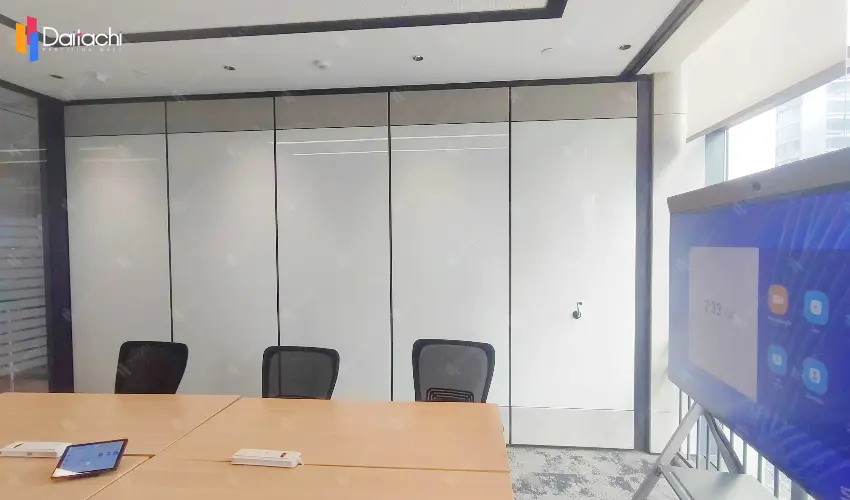
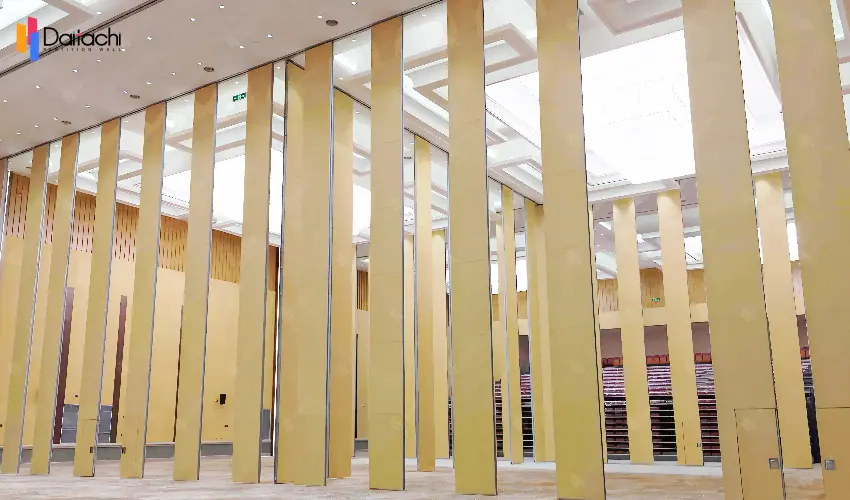
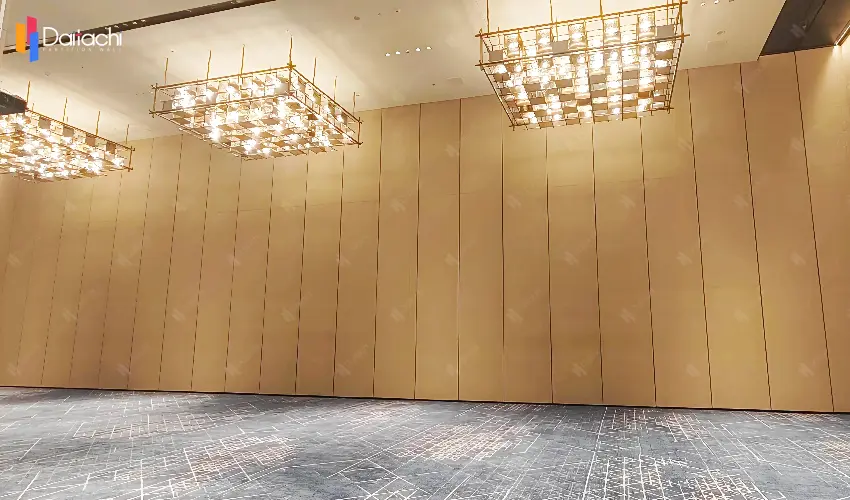
To learn about all aspects related to Movable Partition Wall, you can consult our comprehensive guide on Movable Partition Walls Hub.
STC 30: Mutes faint conversations; suited for low‑acoustic‑demand spaces such as general warehouses.
STC 50: Effectively suppresses regular speech and TV audio, satisfying baseline acoustic requirements for residences and offices, including movable office partition walls.
STC 60+: Virtually blocks traffic noise and musical output; widely adopted for recording studios and premium hotel venues.
Validity Period: Certifications normally remain valid for five years, with periodic re‑assessment mandatory.
12 mm single‑layer gypsum board: STC 28‑32, fit for temporary dividers and basic office zones.
Double‑layer gypsum board + 50 mm rock wool infill: STC 45‑50, ideal for residential partitions and meeting‑room enclosures.
240 mm brick masonry wall: STC 48‑52, commonly deployed within schools and hospital wards.
6+12+6 mm double‑glazed insulated windows: STC 35‑40, suitable for street‑facing housing and standard offices.
Multi‑layer composite professional sound‑proof walls (including high‑end ): STC 55‑65, specified for recording studios, theatres and luxury hotel ballrooms.
Critical Gap‑Sealing Work: Install quality sealing strips to close perimeter gaps; unaddressed gaps can trigger the sound‑bridge effect and drop effective STC performance by 10‑15 dB — this principle is equally vital for movable partition wall systems.
By matching appropriate STC performance grades to real‑world application scenarios, you can strike an optimal balance between acoustic privacy and overall project expenditure.
Related Articles: How to Choose Soundproof Removable Partitions with a Sufficient Budget (Product Perspective)
Popular Science of Sound Reduction Coefficient: Detailed Explanation of NRC, SAC, and SAA
Related Product : Type 105 Series Manual Temporary Partition Wall