To learn about all aspects related to Vertical Folding Partition Wall, you can consult our comprehensive guide on Vertical Folding Partition Wall Hub.
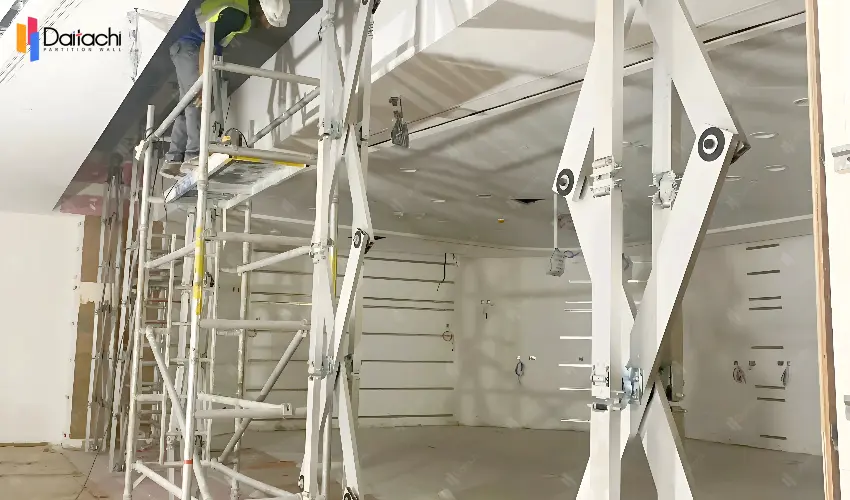
Vertical folding partition are able to achieve exact upward and downward motion mainly by combining a an exact mechanical structure coupled with a reliable driving system, precise guides, and an efficient control system. These are the following aspects:
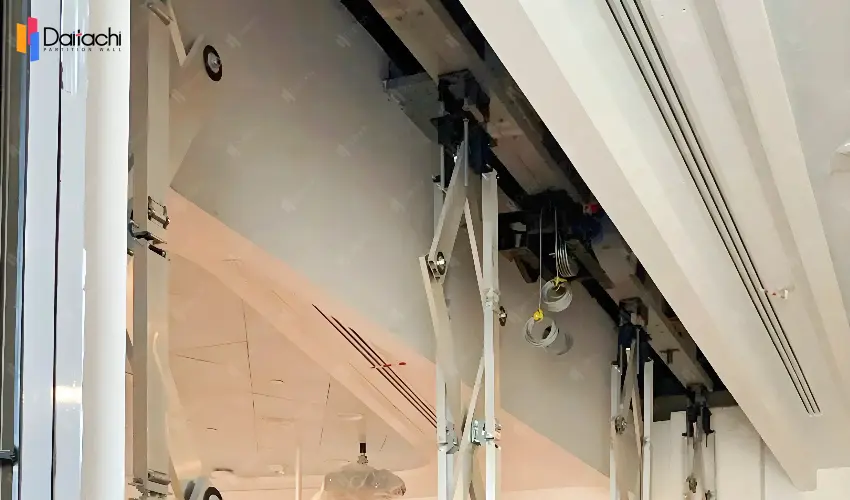
Vertical partition walls for lifting usually consist of many modules of wall. The panels are linked by specialized connecting mechanisms and connectors creating a wall structure which is able to be lifted and then lowered in a single. This modular design not just makes it easier to install and maintain, however it also facilitates coordination between components, creating the base for a precise lifting and lower.
It is this primary element that allows the lifting and lowering movement of the vertical wall. It is usually done using an the power of an electric motor.
Electric Drive: In most cases an electric motor will be utilized as the source of power. A gearbox controls the speed and torque. It will then drive the transmission elements including chains, gears or steel cables in order to accomplish the lifting and lower of walls. Electric drives offer benefits like high quality control, rapid response time, and seamless operation that meets the needs to ensure the precise lifting and lowering of vertical walls.
The guiding device is designed to ensure that the wall for vertical lifting keeps a steady motion throughout lifting and lowering keeping walls from moving or shaking. Most guiding systems are guide rails, pulleys, and guide rails. systems.
Rails Guide: Rails are located either on the sides or at the above the wall offering vertical guidance to wall panels. The precision of the manufacturing and assembly of guide rails is directly affecting the stability of operation of a vertical wall. Guide rails with high-precision ensure that walls always move according to the planned path when the lifting and lowering process, thus reducing variations and friction.
Pulley System: Located between the wall panels as well as the rails that guide them The system eliminates sliding friction by rolling friction, which reduces motion resistance, and enhancing the ease of lifting and lower. The structure of the pulley system must take into consideration aspects like strength of the load in addition to wear resistance as well as lubrication efficiency to guarantee longevity and stability.
The control system acts as part of the "brain" of the vertical lifting wall. It allows exact lifting and lower. It takes operating commands and manages the operations of the drive system giving precise control over the lift speed, direction as well as the location on the walls panels.
Sensor Technology: The sensors include speed, location and position sensors and others are placed in key places at the top of the vertical lift wall in order to track the motion state on the walls continuously and transmit the information back on to the controller system. The control system can adjust its output from the drive system according to the feedback from sensors to ensure walls travel according to the prescribed path and velocity.
Intelligent Algorithms: Modern algorithmic intelligence, like PID control algorithms as well as fuzzy control algorithms can be used to control precisely the system of drive. The algorithms are able to automatically alter parameters of control based on current movement status and the desired position that the wall panels are in. This allows for rapid and precise placement.
Human-Machine Interface: A simple and user-friendly human-machine interface offered, which includes the remote control and touchscreen which allows users to enter operating commands as well as view the operating status of the equipment. By using the interface of a human machine it is easy to manage parameters like the height of lifting and speed of the vertical wall. This allows for a customized spatial layout.
Related Articles: How Do Vertical Lifting Walls Achieve Precise Lifting and Lowering?
From Installation to Maintenance: A Lifecycle Guide to Vertical Folding Wall Panels (Part 1)